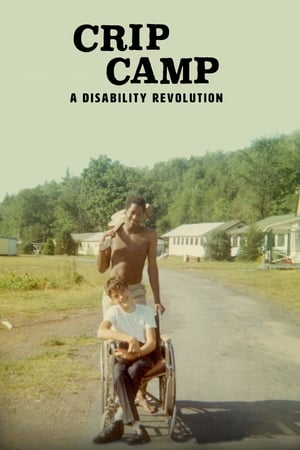
Down the road from Woodstock in the early 1970s, a revolution blossomed in a ramshackle summer camp for disabled teenagers, transforming their young lives and igniting a landmark movement.
This film is a letter to my friend Vincent who died ten years ago. Vincent was Deaf. He introduced me to his language, his culture, his world. Through Vincent ‘s life, the film will examine the roots of the distress that plagues the Deaf, and also explore a rich and fascinating world, a people that struggles to preserve its Sign Language and Culture.
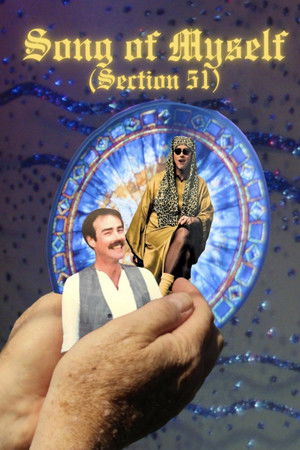
In Song of Myself (Section 51) we meet Thomas Michael Smith- a retired social worker, sign language interpreter, openly gay deacon in the Catholic church, and part time drag queen. Over a tour of his space, he shares what life containing multitudes looks like for him.
DEAF IDENTITY explores the diverse and nuanced experiences of Deafness through a series of enlightening conversations with Deaf people who have embraced their own unique identities.
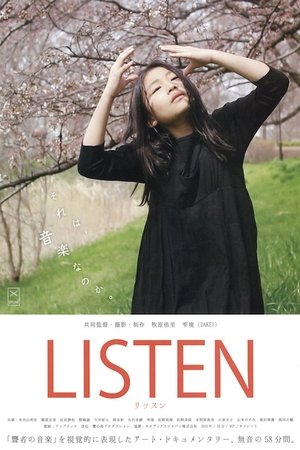
Documentary without audio produced by deaf people. Music is depicted visually with the complete absence of musical instruments or voices. Directed by Makihara Eri and choreographer Dakei. With a diverse lineup including ordinary deaf people with zero acting experience and a choreographer who performs in Japan and abroad, this film pulls out all the tops to give visual expression to music through the physical body. An aging man uses multiple sign language poems to convey the four seasons, and a girl expresses the wind amidst the rustling trees.
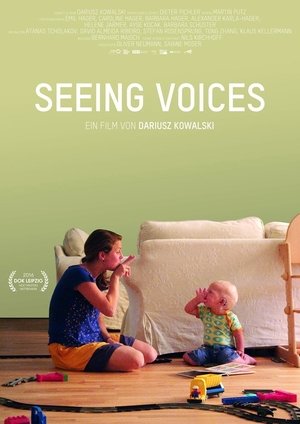
Seeing Voices
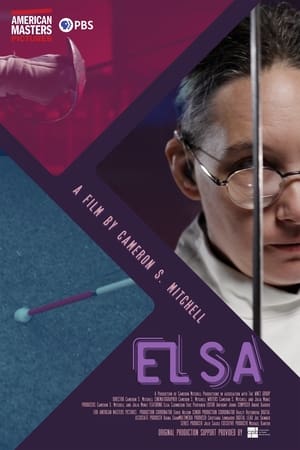
A Deafblind fencer and author competes in all arenas just for the right to be seen.
Spring is coming. Deaf-mute girl and boy feel the warmth of the sun on their faces, the air is flooded with light. The world of these young people lacks sound and their language is different, but they are happy about spring and each other.
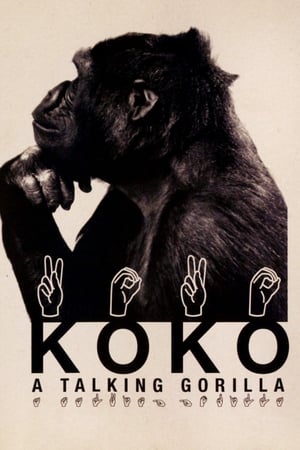
A documentary that follows Dr. Penny Patterson's current scientific study of Koko, a gorilla who communicates through American Sign Language.
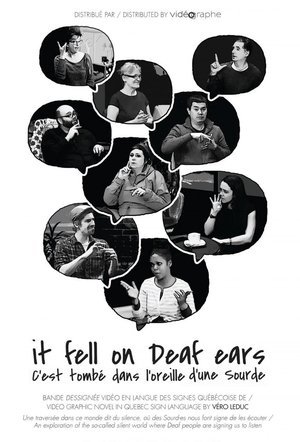
Because Quebec Sign Language cannot be captured on paper, videography has revealed itself to be the best way to represent this visual language. The first ‘comic strip’ in sign language, the film depicts snatches of conversations between various deaf and hearing protagonists. A visit to a silent world, where the hearing impaired ask us to listen to them.
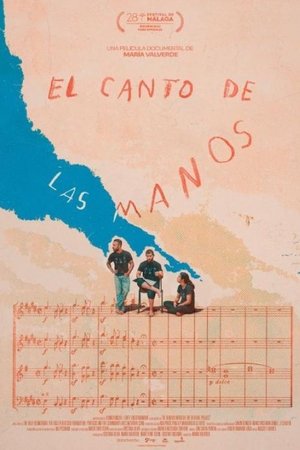
This film takes you through the inspiring journey of Venezuela's Coro de Manos Blancas (White Hands Choir) while exploring their daily struggles and lives. Established in 1995 as part of Venezuela's El Sistema program, the White Hands Choir provides artistic opportunities for children, youth, and adults with disabilities, utilizing music for social development and inclusion.
A series of three short films exploring the intersection of opera and American Sign Language, starring some of today’s most acclaimed Deaf and signing performers. Created by Up Until Now Collective.
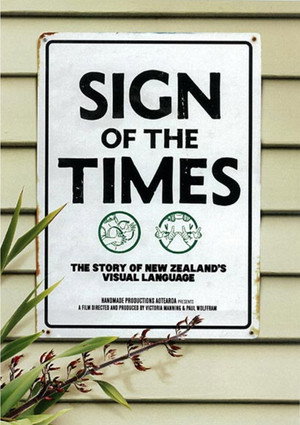
Sign of the Times is the first feature length documentary about New Zealand's Deaf community, their language and culture. It is an inspiring, emotional, and very moving story told straight from the very heart of the Deaf community. I n April 2006 New Zealand Parliament declared New Zealand Sign Language (NZSL) to be an official language - the culmination of a 20-year battle by the deaf community, and a true hallmark in the recognition of their native language. Sign of the Times is about the Deaf New Zealanders who fought to have their language recognised as a real language and as a viable means of communication The film documents the community's celebration of the official recognition of their language and looks at the community's ongoing hopes and aspirations for their language and culture. This is your invitation to take a journey into the Deaf world.
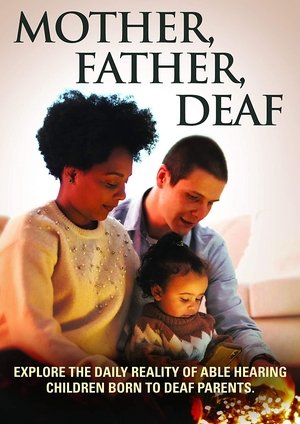
Children of Deaf Adults, known as CODA, are caught in the middle, between the deaf and the hearing, between isolation and community, and between childhood and adulthood. Through the stories of three CODAs, discover how the unique upbringing of hearing children born to deaf parents can be considered both a burden and an opportunity and how it shapes who they are and who they become. Also hear from the parents themselves about how their condition unwittingly puts an impossible weight of responsibility on their children, who are forced into adulthood from the moment they learn to talk. Mother, Father, Deaf offers a previously unseen portrayal of contemporary reality for deaf families. Their stories, while deeply personal, mirror the experiences of CODAs around the world.
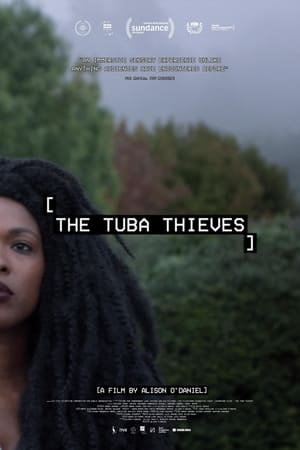
A spate of robberies in Southern California schools had an oddly specific target: tubas. In this work of creative nonfiction, d/Deaf first-time feature director Alison O’Daniel presents the impact of these crimes from an unexpected angle. The film unfolds mimicking a game of telephone, where sound’s feeble transmissibility is proven as the story bends and weaves to human interpretation and miscommunication. The result is a stunning contribution to cinematic language. O’Daniel has developed a syntax of deafness that offers a complex, overlaid, surprising new texture, which offers a dimensional experience of deafness and reorients the audience auditorily in an unfamiliar and exhilarating way.
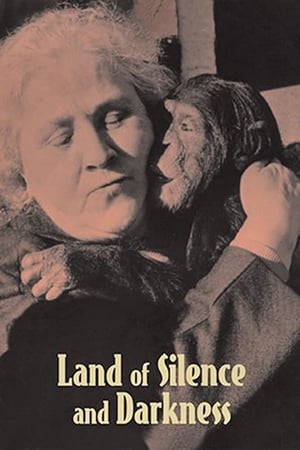
Through examining Fini Straubinger, an old woman who has been deaf and blind since her teens, and her work on behalf of other deaf-blind people, this film shows how the deaf-blind struggle to understand and accept a world from which they are almost wholly isolated.
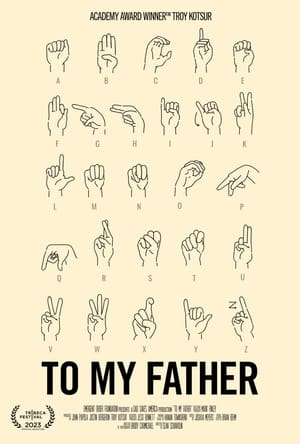
To My Father depicts Deaf actor Troy Kotsur's journey to winning an Oscar and his father's inspiring influence on him, despite a tragic accident.
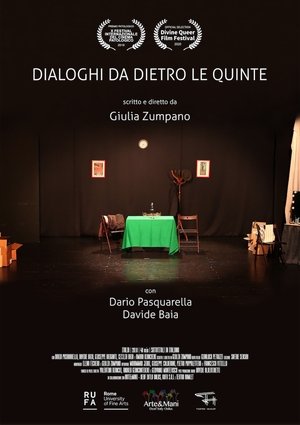
A documentary that follows the story of Dario Pasquarella, deaf director and actor, and his company. Through his work, Dario seeks to bring together the deaf and hearing community, who are usually separated by a lack of communication. In his shows he uses both languages, LIS, sign language and spoken language, to tell stories in which the deaf and hearing can live in symbiosis.
Documentary following Deafinitely Theatre as they translate a classic Shakespeare play for a Deaf audience.
Sven has a dream. Once in his life he wants to walk the Camino de Santiago - the Way of St. James. But that seems impossible, Sven has Usher syndrome, a disease which slowly, inexorably robs him of hearing and vision. Profoundly deaf and completely blind since 2010, he can only communicate using a special hearing aid in the spoken language.