Emma reviews old tapes on VHS, which show faded family memories of those distant 80s, when she was still a child. While recalling the trips to the coast and the children's laughter, she tries to recompose pieces of a story that he never fully understood, joining the pieces of a forgotten puzzle to discover that things were not what they seemed.
La reserva del silencio
Decolonising the Curatorial Process is a forty-minute documentary which explores decolonial strategies in an academic and curatorial context. The film features academics, activists and practitioners, and contains case studies of institutions that are deploying critical, self-reflective forms of curatorial practice. The Museum of London Docklands exhibition on slavery and the sugar industry is examined as an example of how an institution can decolonise the curatorial process, utilise the work of artists in a museum context, and critically examine East London's imperial history. The Pitt Rivers museum in Oxford, who are working with Maasai activists from Kenya and Tanzania on a project centred on repatriating the museum's collection of sacred Maasai artefacts, also features in the film.
How the art in the Detroit Institute of Art connects to life's experiences and the neighborhood.
According to family legend, the name Hrušínský was born after Rudolf and Jan Hrušínský's grandfather Rudolf Böhm was caught stealing pears on a theater stage. The German name Böhm suddenly became Hruškovský and shortly after that Hrušínský. Grandfather Rudolf, later known as Rudolf Hrušínský the eldest, adopted the surname as his own and began using it in 1935. However, the history of the Hrušínský acting family goes back much further. It is therefore not surprising that the brothers Rudolf and Jan also took the same path. The documentary charts their acting beginnings alongside their father Rudolf Hrušínský Sr., from their first roles, through theater engagements at the Drama Studio in Ústí nad Labem and the Drama Club in Prague, to unforgettable film and television roles, when three generations of Hrušínskýs often met in front of the camera.
The story of Christina Lau and her relationship with her parents as she recounts the happy and traumatic memories of her childhood and adolescence. She shares the ways in which the tragic demise of her father and mother have affected her and shaped who she is today. Her story is powerful, tragic, and demonstrates the importance of strong family ties when overcoming hardship. The documentary is directed by her eldest daughter, Robyn Mae, and includes stunning animations created by her youngest daughter, Tammy-Ann.
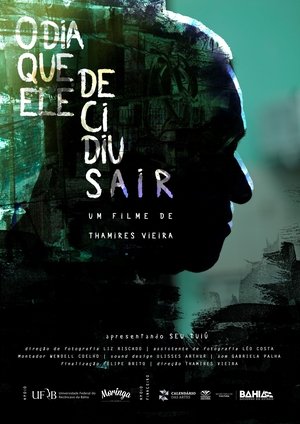
Marepe, an artist from Bahia, produces art with anything he comes across in the town he lives in, Santo Antônio de Jesus. Packs of cigarettes, coconut palms, walls, and memories taken from the streets, go into putting together a personal archeology for this young artist.
How have the changing views on children been reflected in their representation in art? From Baby Jesus to the first photographic portraits, an exploration of six centuries of art history through the prism of childhood.
Brenda’s first memories were of growing up in a loving white foster family, before she was suddenly taken away and returned to her Aboriginal family. Decades later, she feels disconnected from both halves of her life, so she goes searching for the foster family with whom she had lost contact. Along the way she uncovers long-buried secrets, government lies, and the possibility of deeper connections to family and culture.
From the inside of a balikbayan box, a daughter plays a video game system gifted to her by her father. She recalls the days before her father went overseas due to the lack of stable and livable employment and the ongoing drug war in the country. A meditation on parental bonds and the OFW experience from a child’s perspective.
A new father takes his wife and daughter on a journey to his mother’s birthplace in Scotland. It is 1976 – the year in which NASA’s Viking 1 and 2 space probes land on the surface of Mars. They send images of an only vaguely explored area from a great distance, enabling a first look into the history of an alien planet. Like the NASA scientists, the small family are hoping that their journey will give them insights into the past, an understanding of the present situation and perhaps even the chance to anticipate the future.
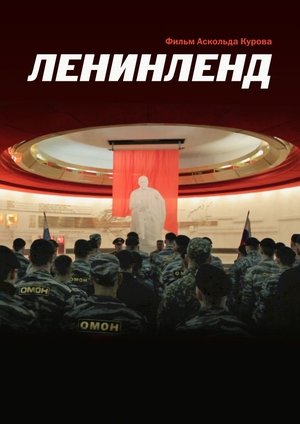
At the peak of Perestroika, in 1987, in the village of Gorki, where Lenin spent his last years, after a long construction, the last and most grandiose museum of the Leader was opened. Soon after the opening, the ideology changed, and the flow of pilgrims gradually dried up. Despite this, the museum still works and the management is looking for ways to attract visitors. Faithful to the Lenin keepers of the museum as they can resist the onset of commercialization. The film tells about the modern life of this amazing museum-reserve and its employees.
This rich and nuanced portrait of the remarkable, elusive Rothschild family uncovers the story behind the family's phenomenal economic success. The film tells the dynasty’s incredible saga, from the confines of the Frankfurt ghetto to the halls of royal palaces, all the while emphasizing the importance they placed on family unity and the profound role Judaism played in their lives, later using their influence to assist oppressed Jews throughout Europe. A definitive work of documentary cinema with a thoroughly engaging narrative, The Rothschild Saga brings their mysterious and fascinating history to life.
A captivating and personal detective story that uncovers the truth behind the childhood of Michaël Prazan's father, who escaped from Nazi-occupied France in 1942 thanks to the efforts of a female smuggler with mysterious motivations.
At the edge of the Yangtze River, not far from the Three Gorges Dam, young men and women take up employment on a cruise ship, where they confront rising waters and a radically changing China.
This special offers a rare glimpse into the Kapoors, Hindi cinema's first family, over an afternoon of conversation, nostalgia and homemade delicacies.
The story of Nisar Ahmed Khan, told through his children and the people he served, a spiritual guide whose followers still visit his tomb on his birth and death anniversaries. And alongside how his family spends a few days at the village keeping his traditions alive.
¿Quién es David?
Maya is Ayaibex's daughter, an addict in recovery that feels a blame for damages that caused her daughter, Maya decides to remember her mother's childhood experiences in her world of addiction to seek the redemption of the weight that her mother has loaded for 20 years and get both to forgiveness.
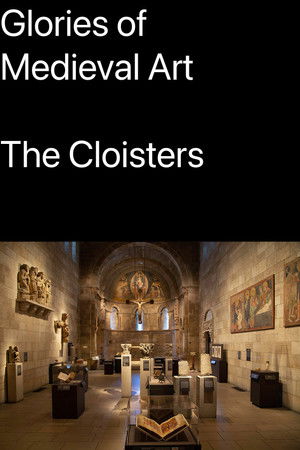
Philippe de Montebello, Director of The Metropolitan Museum of Art from 1977 to 2008, guides viewers through The Cloisters, pointing out Romanesque and Gothic architecture and artwork, beautiful tapestries, and the diverse species in the gardens. He outlines the history of the building and it's many influences and highlights significant works of art in the collection. It was produced in 1989 by The Metropolitan Museum of Art's Office of Film and Television.