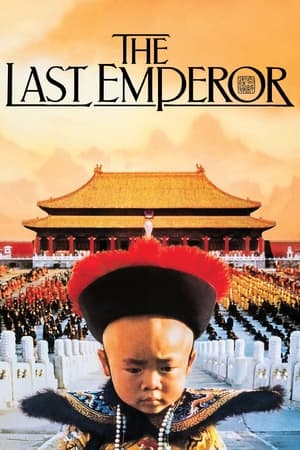
Amidst the grand walls of the Forbidden City, the film takes us on a deep journey through the ceremonial life of the Chinese emperor, unveiling the secrets and intrigues of concubines, eunuchs, and palace maids. As the West begins to influence China in the late 19th century, the dynamics within the city shift dramatically. The film highlights the preservation and restoration of invaluable treasures and paintings, culminating in the creation of the Palace Museum. With insights from renowned China scholar, Jonathan Spence, this is an intimate exploration of the rich cultural and historical tapestry that makes up the heart of ancient China.
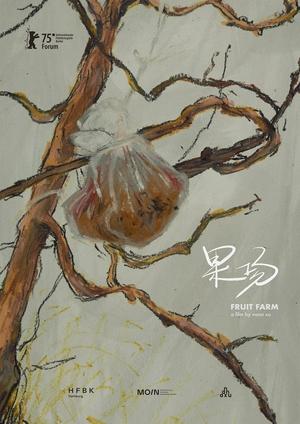
Nana Xu travels to the place built by her father as a prisoner during the Cultural Revolution: first a work camp, later a prison, fruit farm and treatment centre. Conversations with last remaining witnesses, where home is still shaped by a repressed past.
Archeologists discover a pit filled with terracotta warriors buried to protect the grave of the First Emperor of China.
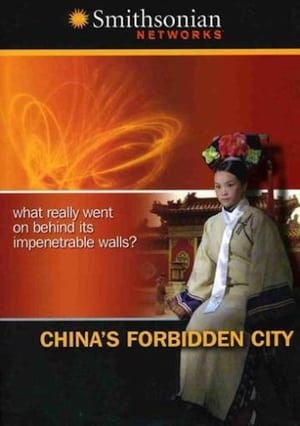
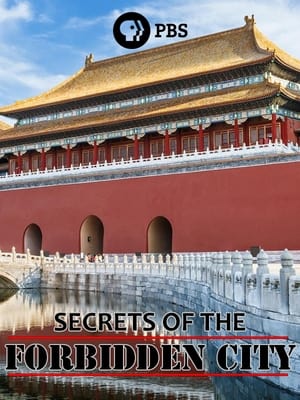
With unique access to the Forbidden City, this documentary reveals the spectacular history of the world's largest palace, and the secrets of its astonishing design
Over the last 40 years, China has been transformed out of all recognition. The scale of its growth and the sheer speed of change has been astonishing. The country has seen the largest lifting of people out of poverty that has ever taken place in human history. How did an impoverished and backward communist country become an engine of global capitalism? What lies ahead for this economic behemoth?
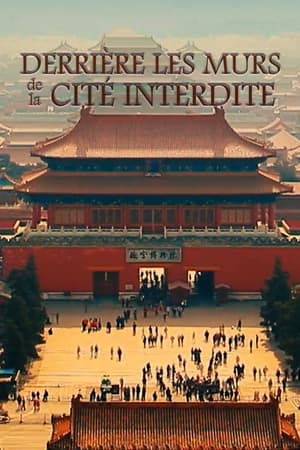
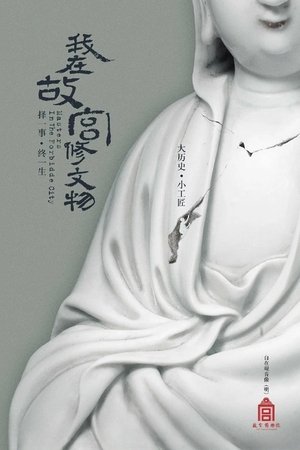
This documentary shines a light on the unsung life stories of restorers of cultural relics working inside the Forbidden City, together with the history of the antiques and the palace, the procedures of restoration and the development of cultural protection.
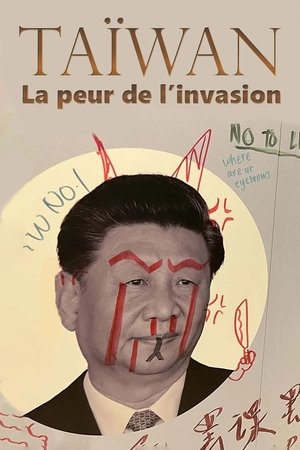
Is Taiwan the scene of the next bloody war? A Chinese attack could trigger a conflict between the superpowers. How great is the danger of a Chinese invasion?
Secluded from view by nine-meter-high walls and composed of 980 buildings, the Forbidden City in Beijing is the largest imperial palace ever built in the world. Three majestic structures form its center and host the city's ceremonies, each of which is considered an architectural masterpiece. In 1406, construction of the Forbidden City was launched at the initiative of one of China's most powerful sovereigns and founder of the Ming dynasty: Yongle. Endowed with divine power, the construction has already resisted more than 200 earthquakes.
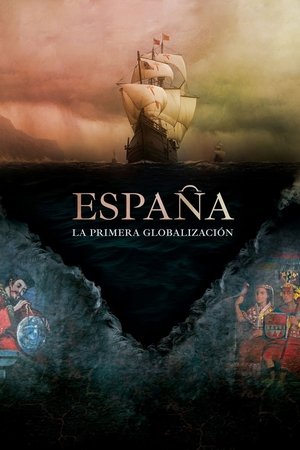
A new reading of the historical period that began with the reign of the Catholic Monarchs (1479-1516) and the discovery of America (1492), as well as an analysis of its undeniable influence on the subsequent evolution of the history of Spain and the world.
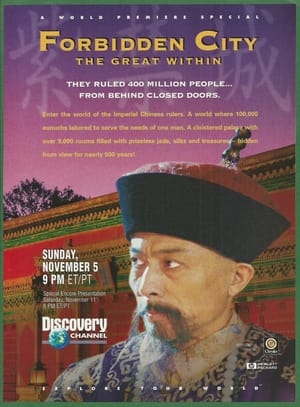
The Forbidden City is the world’s biggest and most extravagant palace complex ever built. For five centuries, it was the power center of imperial China and survived wars, revolution, fires, and earthquakes. How did the Ming Emperor’s workforce construct its sprawling array of nearly 1,000 buildings and dozens of temples in a little over a decade?
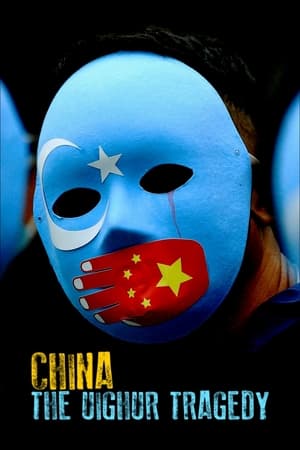
A relentless chronicle of the tragedy of the Uighurs, an ethnic minority of some eleven million people who live in the Xinjiang region of northwest China, speak a Turkic language and practice the Muslim religion. The Uighurs suffer brutal cultural and political oppression by Xin Jinping's tyrannical government: torture, disappearances, forced labor, re-education of children and adults, mass sterilizations, extensive surveillance and destruction of historical heritage.
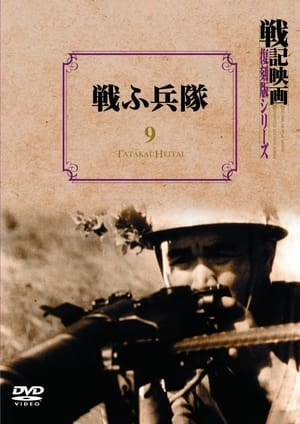
Documentary of an Imperial Japanese Army regiment's advance from Shanghai to Wuhan in 1938. This film was shelved before submission to Home Ministry censors amid rumors that Fumio was a Communist.
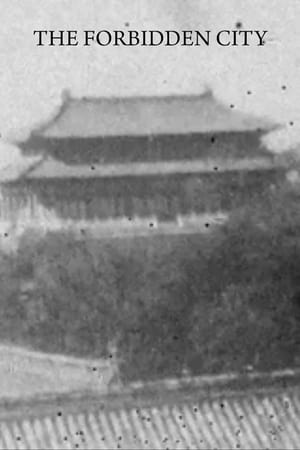
Panoramic view of the Forbidden City (Imperial Palace), Peking, China.
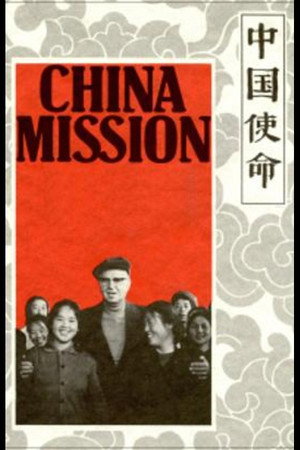
Tom Radford's documentary chronicles the life of Chester Ronning, best remembered for his close and longstanding relationship with China. Over the course of his life, Ronning worked as a cowboy, ambassador, college president, missionary and a member of the Alberta legislature. But throughout all of his careers, his lifelong ambition was to explain China to the western world. His story is a rare example of the meeting of East and West in a compassionate, remarkable man.
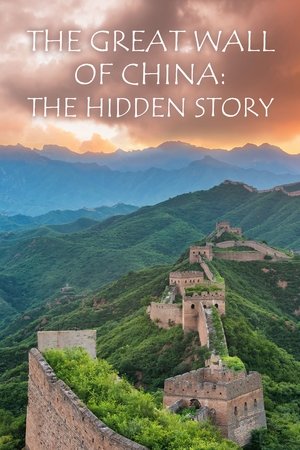
It's the most extraordinary feat of engineering in history, and one of the most iconic man-made structures on the planet - the Great Wall of China, stretching thousands of miles across barren deserts and treacherous mountains before finally plunging into the sea. But why did the Chinese go to such staggering lengths to build it, and what are the secrets that have enabled it to survive for over 2,000 years? Now, ground breaking science is re-writing its complex history and de-coding its mysteries to reveal that there is much more to the Great Wall than just bricks and mortar. Cutting edge chemistry reveals that the secret to the Great Wall's remarkable strength is a simple ingredient found in every kitchen, and a new survey also determines that its length is truly amazing, as we finally solve the enigma at the heart of the world's greatest mega-structure.
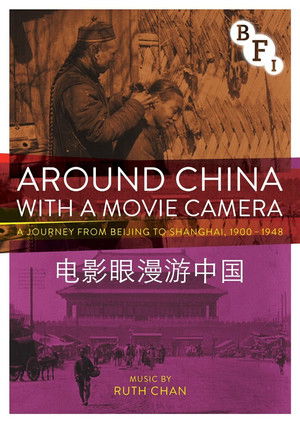
A new film compiled from the BFI National Archive's unparalleled holdings of early films of China, features films from 1900-48 filmed across China. The cinematic journey of Around China with a Movie Camera contains many films which may never have been seen in China, or at the very least not for over 70 years. These travelogues, newsreels and home movies were made by a diverse group of British and French filmmakers, some professionals, but mainly enthusiastic amateurs, including intrepid tourists, colonial-era expatriates and Christian missionaries.
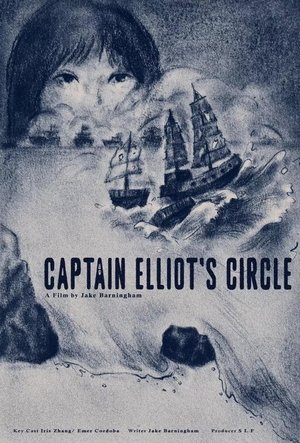
Equal parts documentary, essay, and narrative,"Captain Elliot's Circle" is mostly a poetic interaction with an obscure corner of Chinese and British history. Constructed using primary source documents about the taking of Zhoushan, Britain's first choice for a seaport, in the late 1830s,this movie uses Captain Charles Elliot's reluctance to brutalize the Chinese to reflect on the cyclical nature of history and the power structures that move it. The long takes used throughout function to illustrate the dramatically different ways in which people who lived in the mid-19th century perceived time. Additionally, it represents the psychological effect of living on an island regardless of what era you were born in.The last third of the movie focuses on a young woman whose strange day job has taken her far away from the island of Zhoushan generations after Captain Charles Elliot was last there. "Captain Elliot's Circle" was shot on location in Zhoushan and Hangzhou.
In 1997, Oscar-winning documentarian Allan Miller embarked on a film project with renowned conductor Zubin Mehta and celebrated Chinese film director Zhang Yimou as they joined forces in a production of Puccini's opera Turandot in Florence. Before the year was out, an extraordinary opportunity arose: to stage Turandot in its original setting in the Forbidden City of Beijing. The outdoor production was an undertaking on an epic scale. A fascinating chronicle of an unprecedented cross-cultural collaboration, THE TURANDOT PROJECT combines the pageantry of this opulent opera production with a spectacular cinematic portrait of the struggles and triumphs of Zubin Mehta and Zhang Yimou to mount their production in this most historic venue of China. (Source: Amazon.com)
Marshal Zhang Xueliang, Commander of the North Eastern Army, grows progressively disillusioned by Kuomintang leader Chiang Kai-shek's policy to engage the Chinese Communist Party rather than fight the Japanese invaders which are occupying Manchuria. Despite numerous pleas, Chiang does not budge. After discussing with fellow general Yang Hucheng, the two take events into their own hands and place Chiang Kai-shek under arrest on December 12, 1936, forcing Chiang into a coalition with the CCP.
Ma Da, who dreams of standing on the podium, became a teacher of Shancun Primary School. While getting along with the villagers, he learned about the profound history of the mountain village, and was deeply moved by the heroic stories that happened in this land. Together with the children here, he wrote a pure nursery rhyme.