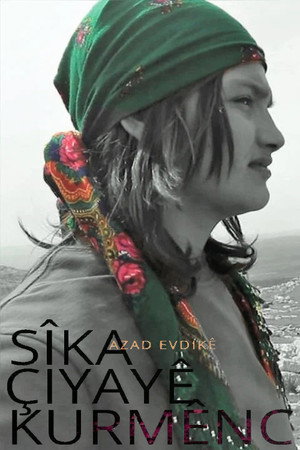
Documentary on the Turkish invasion of Afrin in Northern Syria in 2018.
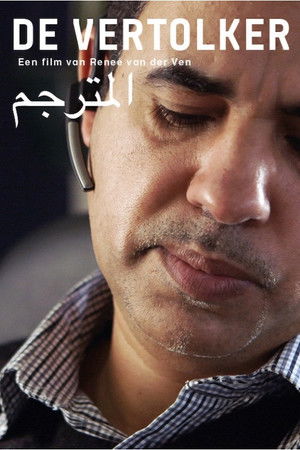
Fadil is an Iraqi refugee who works as a telephone interpreter. From his attic room he translates calls between refugees and government agencies. At the start of every contact, he says: ‘I am your interpreter, I am impartial and will not interfere with this conversation.’ Even though Fadil lives in the Netherlands with his family, he knows people who still reside in war zones. How does it affect him when the witnessing of these conversations confront him with various dilemmas and let him relive his own past?
Here, where even monsters are political, the topography has its own memory. It has the mythological blues. Meanwhile, old gods are upset with us, and I am upset with my father.
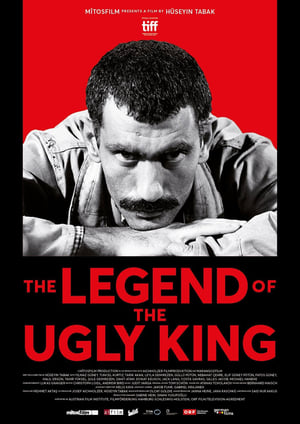
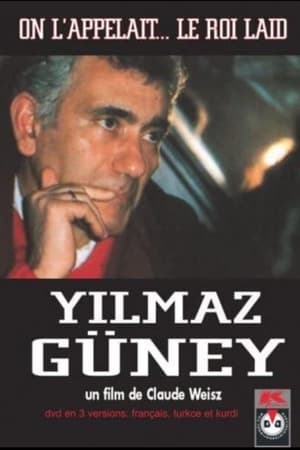
Director Hüseyin Tabak explores the legacy of Yilmaz Güney — political dissident, convicted murderer, and visionary Kurdish filmmaker — who directed the 1982 Palme d'Or–winning Yol from inside prison and died in exile just two years later.
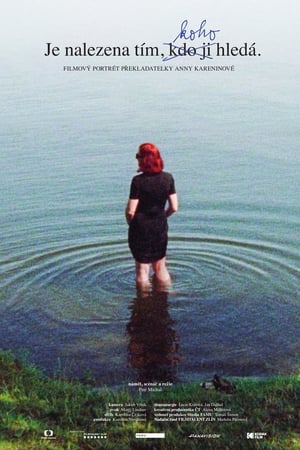
Petr Michal‘s meditative documentary follows the current life of an esteemed Czech literary translator, Anna Karenina. The film largely treats the relationship with her late husband, poet Petr Kabeš, and the feeling of loneliness she has been facing since his death. It is definitely not a conventional documentary portrait, since the director does not ask questions, and instead lets Karenina voice out her thoughts and feelings, observing her with a casual camera during work or on her mountaineering trips. The film also serves as an implicit proof of love to analogue medium: not only the book, but analogue film as well, with its invisible, yet almost tangible features.
A documentary on Royava's suspended future, while caught in the crossfire between Damas, Ankara, Tehran and Moscow.
Spearheading the 2017 battle for Raqqa against ISIS, the Kurdish forces of Rojava tried to put together a revolutionary political vision in the Levant: gender equality, self-determination, democracy, popular self-defense, anti-sectarism... But their democratic confederalism, built on mine fields and war economy, found itself struggling between imperialist foreign forces and Turkish nationalism.
A mockumentary about Turkey-based Kurdish film director, scenarist, novelist, and actor Yilmaz Güney, shot three years after the filmmaker's death. It's also a political portrait of 20th century Turkey.
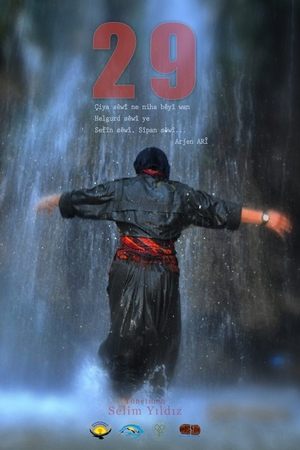
In 2013, Selim Yildiz spent 29 days with Kurdish soldiers (PKK) and made his first documentary 29.
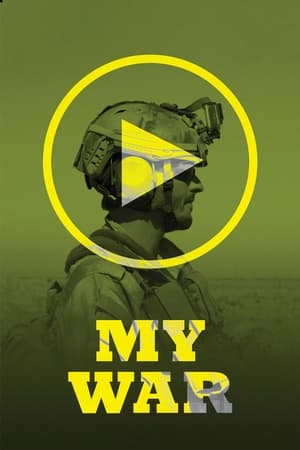
A disturbing portrait of four Western volunteers who risk their lives to fight ISIS alongside Kurdish forces. The feature documentary 'My War' probes the complex motives behind the need to take up arms on someone else’s behalf.
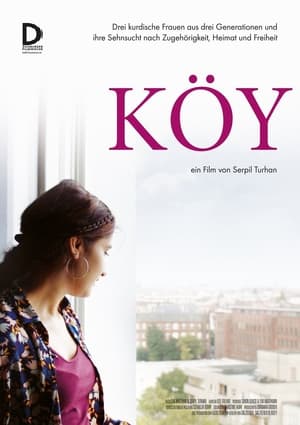
KÖY (Turkish for village) is about the longing for home, for belonging and the freedom of the self. Three women from three generations are united by their Kurdish roots.
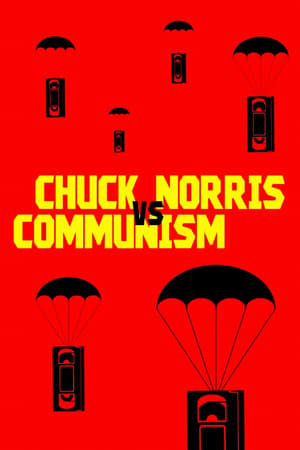
In late eighties, in Ceausescu's Romania, a black market VHS bootlegger and a courageous female translator brought the magic of Western films to the Romanian people and sowed the seeds of a revolution.
This documentary discusses how LGBTIQA+ people experience the streets and nightlife of Istanbul in terms of a safe space through the unique, yet common experiences of queers from different backgrounds, and focuses especially on nightlife and the issue of safe space there, which is a very critical area for queers to exist as they are.
Blúdiaci Holanďan Ľubomír Feldek
Three women, three wars, one dream. Lanja is a journalist in Iraq fearlessly fighting against honor violence. Maia in Abkhazia battles archaic customs like 'bride kidnapping'. Nelly runs a women's shelter in the slums of Monrovia, Liberia. A universal story of women's courage and survival in the aftermath of war.
Filmmaker Alan Berliner documents his first cousin, the poet-translator Edwin Honig, as he succumbs to Alzheimer's.
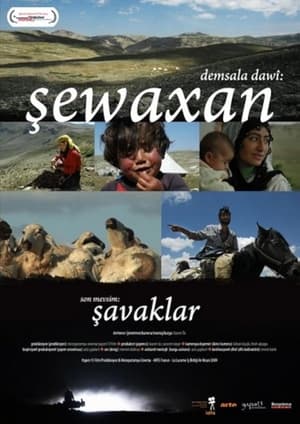
"The Last Season: Shawaks" revolves around an extended Shawak family whose life is marked by seasonal migration.
In the panorama of Kurdish music, Koma Berxwedan (Group Resistance) is one of the most interesting, innovative, experimental groups. To a deep love for music research the group has always associated a strong political commitment. Some of its members have joined the PKK guerrillas in the mountains of Kurdistan. Three of them died in combat. Some have been forced to live in exile and others continued to challenge the Turkish authorities by carrying out their work in Kurdistan.
"DEQ" is a legacy in Kurdish Culture. A bridge between Human and Nature and a way to find meaning of life.
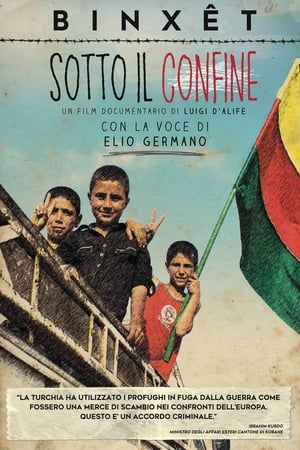
“Binxet – Under the border” is a journey between life and death, dignity and pain, struggle and freedom. It takes place along the 911 km of the turkish-Syrian border. On the one hand the ISIS, in the other Erdogan’s Turkey. In the middle the borders and one hope. This hope is called Rojava, only one point on the chart of a troubled region, a region of resistance and an example of grassroots democracy that speaks about gender equality, self-determination of peoples and peaceful coexistence.