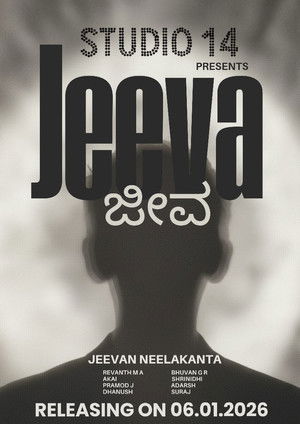
In a world where everyone is expected to be on point 24/7, life isn’t lived anymore — it’s performed. Always grinding. Always proving. Always “doing fine”. But the mind keeps score. And when it can’t take it anymore… the body hits pause. JEEVA is a social satire on today’s pressure culture — where being human is replaced by being perfect, and panic attacks are just the body’s way of saying: slow down. breathe. exist.
Hotel guests look restrained, sedated in the diffuse light of the service provider’s shimmering cage. A network of joists, pilasters and fluting exposes the proverbial off-season chill in the seating arrangements. Smart-phones and tablets mask a total lack of communication.
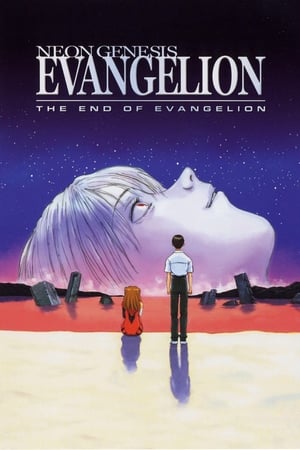
SEELE orders an all-out attack on NERV, aiming to destroy the Evas before Gendo can advance his own plans for the Human Instrumentality Project. Shinji is pushed to the limits of his sanity as he is forced to decide the fate of humanity.
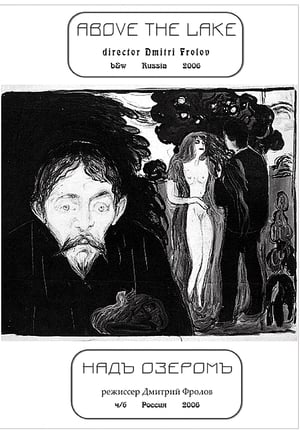
A couple stroll through a wintry landscape - Is this a dream? Is this Heaven?
A representation of my own memory during the course of this year, illustrated by visuals.
An anthology of one-minute films created by 51 international filmmakers on the theme of the death of cinema. Intended as an ode to 35mm, the film was screened one time only on a purpose-built 20x12 meter public cinema screen in the Port of Tallinn, Estonia, on 22 December 2011. A special projector was constructed for the event which allowed the actual filmstrip to be burnt at the same time as the film was shown.
"We Go Past Future" is an experimental paper collage film by Anna Malina. The film reimagines a series of Soviet films from 1919 to 1953, blending them into a unique visual narrative.
Tinskani mourns the death of his friend and mentor, Salvador. His partner, Citlali, urges him to attend the funeral with her, but Tinskani is haunted by the photograph of his friend's corpse. He'd rather wander through the town’s carnival, camera in hand, seeking to replace that ghostly portrait with new ones.
Three couples and a lonely friend visit an isolated escape room in the middle of the desert run by a mysterious Ukrainian performance artist.
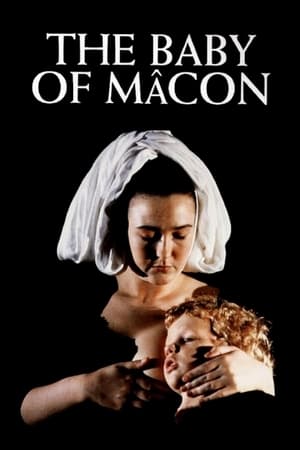
In 17th-century Tuscany, a church play is performed for the benefit of young aristocrat Cosimo. In the play, a grotesque old woman gives birth to a beautiful baby boy. The child's older sister is quick to exploit the situation, selling blessings from the baby, and even claiming she's the true mother by virgin birth. However, when she attempts to seduce the bishop's son, the Church exacts a terrible revenge.
The world shifts subtly while silent watchers already understand.
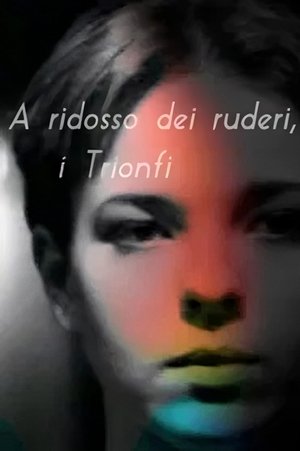
History as immersion and dispersion in the fragments of the past, a visionary journey accompanied by the voice of Patty Pravo. Presented at the Taormina Festival '97.
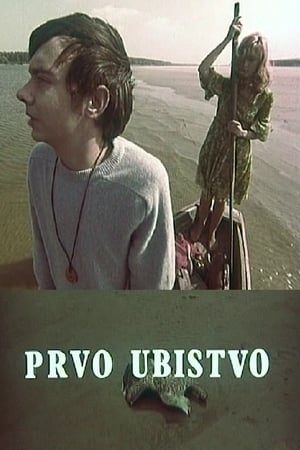
Based on the novel "Šta bi učinio Zobec?" (What Would Zobec Do?) by Svetozar Vlajković. It's a short movie about a young man who is afraid of being turned down by a girl.
Avant-garde homage to pre-revolution Russian silent movies, and to the poet Aleksandr Blok.
Images that take the viewer to the sea, before dark.
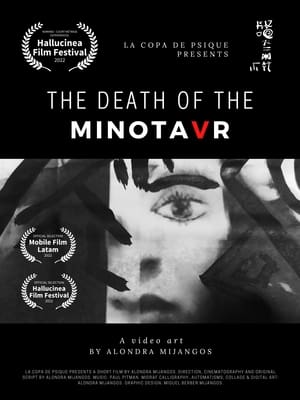
The death of the minotavr talks about the concept of the heroine's journey. Suffering, horror and exhaustion lead the protagonist to a process of transformation, abyss and expiation, because only murdering to minotaur and everything he represents is possible to return to life. From the female gaze, it shows the depth of the emotional wounds caused by domestic violence; the same one that the surrealist Dora Maar lived and that ask why, as a society, instead of killing the minotaur, we blindly continue to send him women only to be devoured and ask them why they simply did not fight, why they did not try get out of the labyrinth.
Features four distinct, bizarre, existential tales about people whose lives are in transition, who are each asking questions about themselves, their environments, and about God(s).
A young man goes through his everyday routine until he realizes that he is completely alone.
An experimental media installation of three windows exploring fragments of liminality. Three unique re-constructions of experiential instances volumising the cataclysms of thresholds. Experience the absence of definition, the absence of boundaries set and the absence of rationale. A myth is not to be understood, a myth is passed on, like a game of Chinese whispers, it takes its course and ages with time, suiting the demography and tale, it warps and distorts
In this fragile yet frightening poetic fantasy set against a dark industrial landscape, a woman sits knitting on the porch of her home when a man appears and takes the knitting from her.