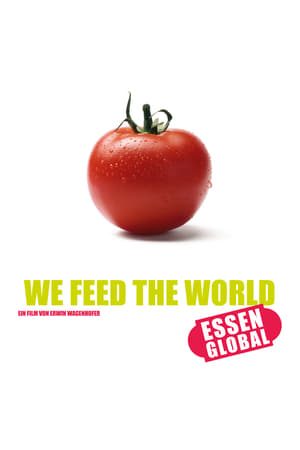
A documentary that exposes the shocking truths behind industrial food production and food wastage, focusing on fishing, livestock and crop farming. A must-see for anyone interested in the true cost of the food on their plate.
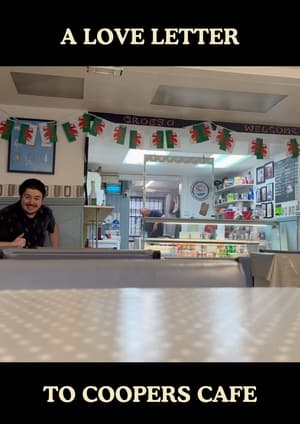
During the summer of 2023, my father decided to hang up the boots and walk away from the family business of 25 years. This is my love letter to the cafe in which my family and I have worked, encapsulating the good vibes and cheery nature the business held for a quarter of a century.
In this nostalgic documentary, restaurant critic Giles Coren challenges Heston Blumenthal to take his restaurant The Fat Duck back to 2001 for a magical feast.
In an age when every fast food place seems the same, diners have remained distinctive, fun places to stop, full of local flavor. This program takes a look at several of the most interesting diners in Pennsylvania, and also considers a few other roadside restaurants (like Midway Plaza on the Pennsylvania Turnpike) that have interesting histories and reputations for good “home-cooked” food. So get a cup of coffee. Have a seat. And come along as we visit great little restaurants from Wellsboro to Downingtown, from Milford to Conneaut Lake. Let’s go to Potato City, to the Melrose in Philly and to unforgettable little places from Pittsburgh to Poconos. Whether it’s the middle of the night in State College or lunchtime in Smethport, this documentary gives you an unusual taste of Pennsylvania and some of its quirkier cuisine.
This film tells a story of ethnic Koreans from Russia and the post-Soviet territories making their new home in New York City. The history of the diaspora is told through conversations with Lidiya Kan’s mother, personal stories, fragmented memories, and her family photo archive. An important character of the film is Morkovcha, the Korean carrot salad, an invention of the Russian Korean diaspora; its essence is symbolic of their mixed identity.
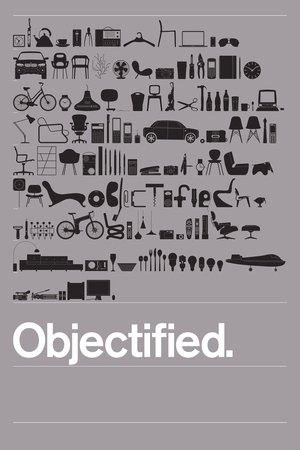
A feature-length documentary about our complex relationship with manufactured objects and, by extension, the people who design them.
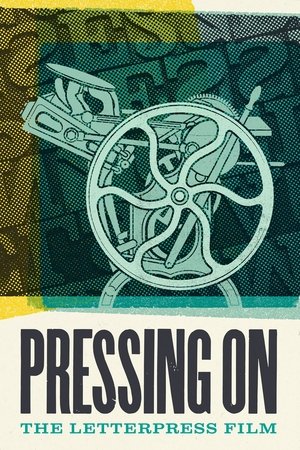
Why has letterpress printing survived? Irreplaceable knowledge of the historic craft is in danger of being lost as its caretakers age. Fascinating personalities intermix with wood, metal, and type as young printers save a traditional process in Pressing On, a 4K feature-length documentary exploring the remarkable community keeping letterpress alive.
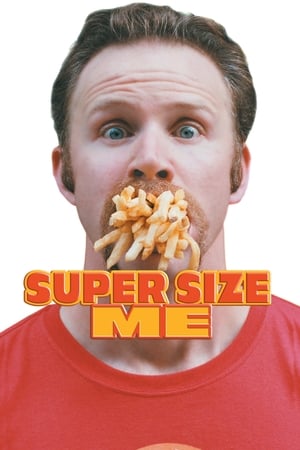
Morgan Spurlock subjects himself to a diet based only on McDonald's fast food three times a day for thirty days without exercising to try to prove why so many Americans are fat or obese. He submits himself to a complete check-up by three doctors, comparing his weight along the way, resulting in a scary conclusion.
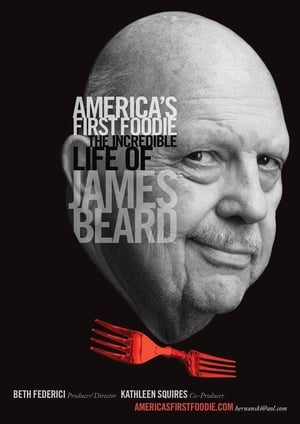
Food in the 21st century has become much more than “meat and potatoes” and canned soup casseroles.” Chefs have gained celebrity status; recipes and exotic ingredients, once impossible to find, are now just a mouse click away; and the country's major cities are better known for their gastronomy than their art galleries. This food movement can be traced back to one man: James Beard. His name graces the highest culinary honor in the American food world today—the James Beard Foundation Awards. And while chefs all around the country aspire to win a James Beard Award, often referred to as the “culinary Oscars,” many of those same chefs know very little about the man behind the medal. Respected restaurateur Drew Nieporent summed it up when he said, “Everybody knows the name James Beard. They may not know who he is, but they know the name.”
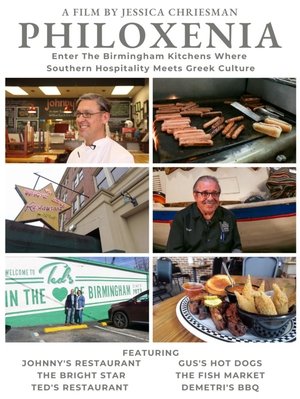
Philoxenia is a short documentary highlighting the synergy between the Greek notion of philoxenia ("friend of the stranger") and Southern hospitality, as expressed through Birmingham, Alabama's Greek-owned restaurants. The film features six local favorite restaurants, two historians and, of course, a lot of mouthwatering dishes.
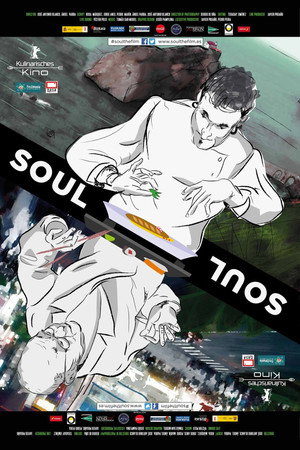
Soul explores the secrets of gastronomy where two cuisines apparently so opposite in their philosophy, conception and experience, have both earned the highest culinary recognition, three Michelin stars.
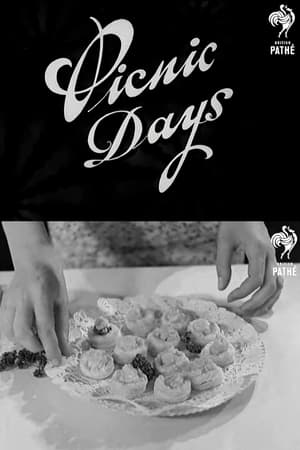
How to prepare the perfect picnic for the warm days that you spent outside. Learn here how to make your side dishes look and taste amazing.
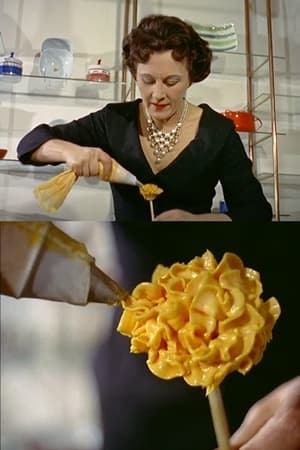
Little film showing a few tips on how to present food graciously. The famous husband and wife cooking team, Fanny and John Cradock, are showing some of the ways to serve savouries. The presentation of the food is as important as the food itself.
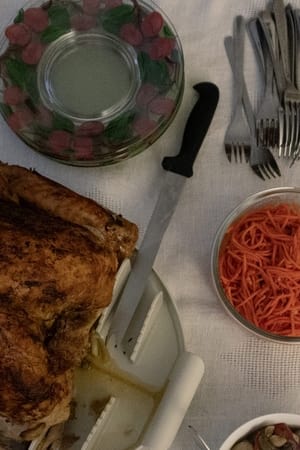
A family gathering around what used to be an everyday activity.
This short film reveals the story behind oatmeal cookies, from the farmer's field to fresh from the oven. Without words.
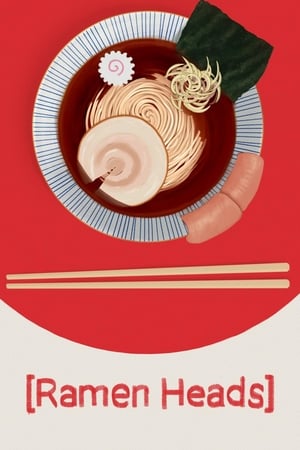
In Ramen Heads, Osamu Tomita, Japan's reigning king of ramen, takes us deep into his world, revealing every single step of his obsessive approach to creating the perfect soup and noodles, and his relentless search for the highest-quality ingredients.
Short portrait of a hungry seagull outside a sausage stand.
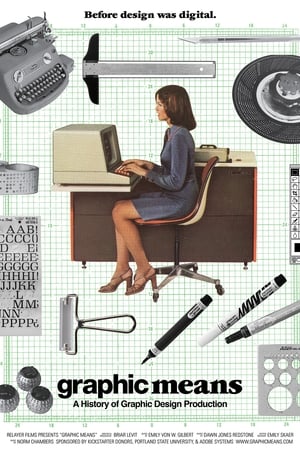
Up until just over 30 years ago, when the desktop computer debuted, the whole design production process would have been done primarily by hand, and with the aide of analog machines. The design and print industries used a variety of ways to get type and image onto film, plates, and finally to the printed page. Graphic Means is a journey through this transformative Mad Men-era of pre-digital design production to the advent of the desktop computer. It explores the methods, tools, and evolving social roles that gave rise to the graphic design industry as we know it today.
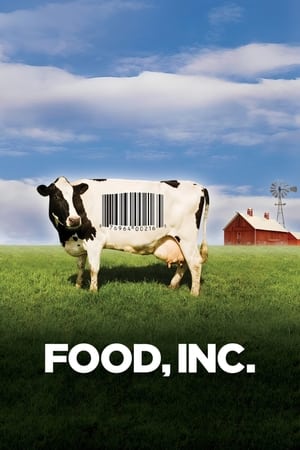
Documentary filmmaker Robert Kenner examines how mammoth corporations have taken over all aspects of the food chain in the United States, from the farms where our food is grown to the chain restaurants and supermarkets where it's sold. Narrated by author and activist Eric Schlosser, the film features interviews with average Americans about their dietary habits, commentary from food experts like Michael Pollan and unsettling footage shot inside large-scale animal processing plants.
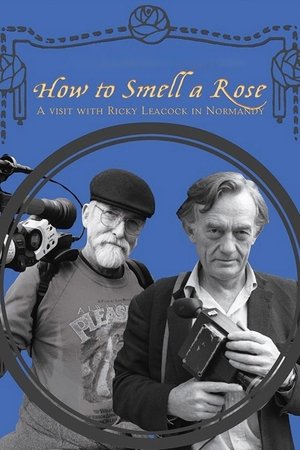
In the year 2000, Les Blank, along with co-filmmaker Gina Leibrecht, visited Richard Leacock (1921-2011) at his farm in Normandy, France and recorded conversations with him about his life, his work, and his other passion: cooking! With the flair of a seasoned raconteur, Leacock recounts key moments in his seventy years as a filmmaker and the innovations that he, D.A. Pennebaker, Albert Maysles and others invented that revolutionized documentary filmmaking, and explores the mystery of creativity. With the passing of both Blank and Leacock, the documentary is a moving insight into the lives of two seminal figures in the history of film.