Shot in Havana and processed at Phil Hoffman's Film Farm, Marcel Beltrán Fernández's Casa de la noche explores those same histories from the point of view of an insider, as a lived experience that is evocatively mirrored through ripped and torn celluloid.
El pisto
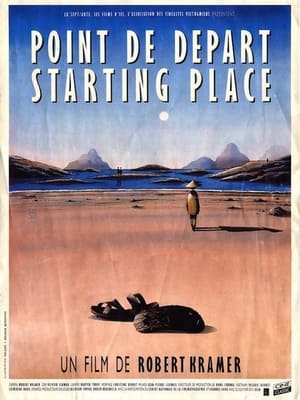
In this film from late in his career, Kramer returns to Hanoi after nearly 25 years to re-envision the city’s struggle through an uncertain and daunting past, present, and future. The Vietnamese characters in the film are diverse: Kramer’s former guide from an earlier visit in 1969; a tight-rope walker in the national circus; a man who took photos of B-52s and another who lost his fingers shooting them down.
Within the video, two screens coexist. On the primary screen, a repetitive action takes place - the photo in the hands is periodically blurred. The focus of the viewer's attention is shifted to the secondary screen, which is more dynamic. The face in front of the camera, resembling clay, tries to take on images from archival photographs and video recordings.
A documentary on the Z Channel, one of the first pay cable stations in the US, and its programming chief, Jerry Harvey. Debuting in 1974, the LA-based channel's eclectic slate of movies became a prime example of the untapped power of cable television.
A live telecast of the public memorial service for the king of pop, Michael Jackson.
The true story of Doug Bruce who woke up on Coney Island with total amnesia. This documentary follows him as he rediscovers himself and the world around him.
Structured as a labyrinth-like game and inspired by Jorge Luis Borges, Aleph is a travelogue of experience, a dreamer's journey through the lives, experiences, stories and musings of protagonists spanning ten countries and five continents.
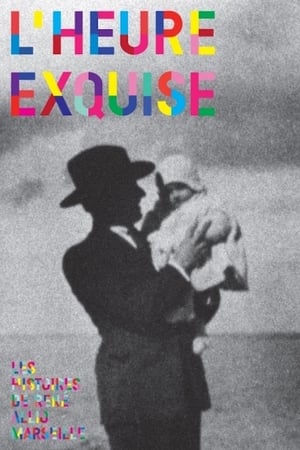
In the streets of Marseille, René Allio encounters, once again, the spaces of his childhood, and remembers his family history.
A dash of youth, a pinch of age, and an unrecorded recipe: Mudder's Hands is a charming documentary conversation about arthritis, centered around the tradition of baking Newfoundland raisin bread.
Filmmaker Cam Archer examines and explores his ordinary, suburban neighborhood in search of hidden truths, new narratives and a better understanding of his fading, creative self. Combining heavily degraded video with personal photographs and real life neighbors, Archer re-imagines the concept of 'home video'. In an attempt to distance himself from his subjects, actress Jena Malone narrates the piece as Archer in the first person.
This short documentary sifts through the pages of a woman's diary who has recently begun to write her memoir. As she looks back at her life and some of her memories, the film explores the ordinary act of writing and the value and meaning it may hold in mundane everyday life.
This film is a poetic composition of recorded history and non-recorded memory. Filmmaker Rea Tajiri’s family was among the 120,000 Japanese and Japanese Americans who were imprisoned in internment camps after the attack on Pearl Harbor. And like so many who were in the camps, Tajiri’s family wrapped their memories of that experience in a shroud of silence and forgetting. This film raises questions about collective history – questions that prompt Tajiri to daringly re-imagine and re-create what has been stolen and what has been lost.
This film is an attempt to disclose if Raul Brandão has left any trace, in Nespereira, Gumarães.
a film about memories & showering.
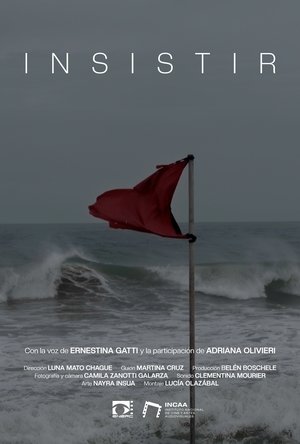
A story that explores the role of women in the Malvinas War. The protagonist, leader of a group of veteran nurses, commits suicide while this documentary is being filmed. Her companions took on her legacy and continue the fight for recognition in the face of the silence of history and the Argentine Navy.
Like a visual elegy, My Memory Is Full of Ghosts explores a reality caught between past, present and future in Homs, Syria. Behind the self-portrait of an exsanguinated population in search of normality emerge memories of the city, haunted by destruction, disfigurement and loss. A deeply moving film, a painful echo of the absurdity of war and the strength of human beings.
A powerful cultural documentary about a Caribbean father and son who return to Grenada to reclaim ancestral stories. Blending folklore, myth, and underwater visuals, the film preserves Black heritage and reframes the feared Jab Jab as a symbol of resistance and identity.
The lastest neuroscience discoveries show surprising results: false memories, distortion, modification, déjà vus. Our memory is affected in many ways, and deceives us every day. The very fact of recalling souvenirs modifies them. The everyday consequences are manyfold. To what extent can we rely on our souvenirs? How much credit can we give them during trials? Even more shocking, scientists have proved to be able to manipulate our memory: creating artificial souvenirs, deleting, emphasizing or restoring them on demand.
This poetic film follows director Marialuisa's journey with Anita and Leticia, Central American women traveling with the Caravan of Mothers of Missing Migrants.