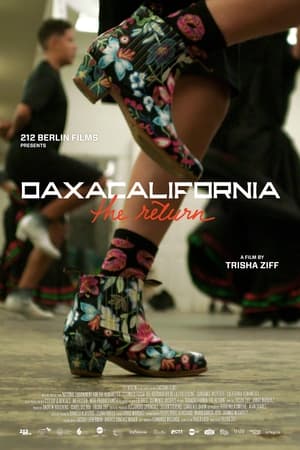
The Mejia family emigrated from Oaxaca to Fresno, California 40 years ago. Filmmaker Trisha ZIff filmed the family in 1996, and returns now to see the changes that have settled over them, and follows the family on their return to Mexico.
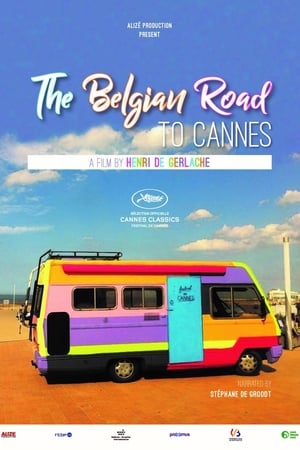
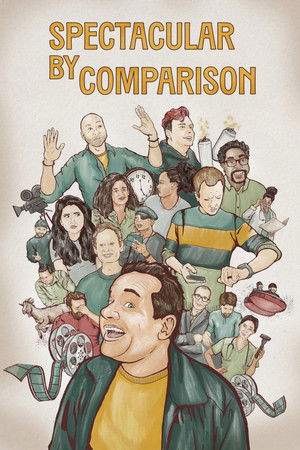
A cheerful road movie all about Belgian films at Cannes over the past 70 years. Filmmakers from the past converse with those from the present to paint the portrait of a cinema that is both diverse and free. An account of Belgium’s participation in the greatest film festival in the world.
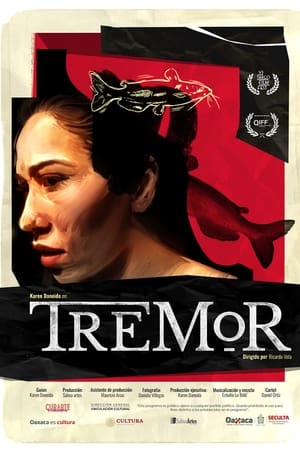
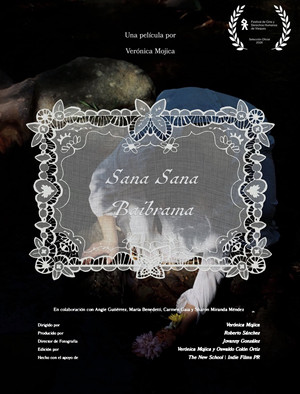
The anguish a woman experienced on the night of September 7, 2017, caused by the 8.2 magnitude earthquake that struck southern Mexico and the danger of another impending disaster.
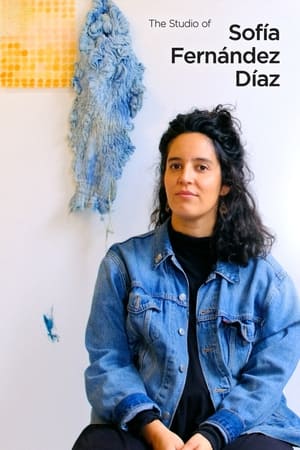
México-raised and currently Chicago-based artist Sofía Fernández Díaz details her process of adorning found objects and handmade textiles with beads, dyes, and melted wax to imbue them with new meaning, and to give them patitas.
When the artist loses inspiration, she turns towards the overlooked things that tend to fuel us the most
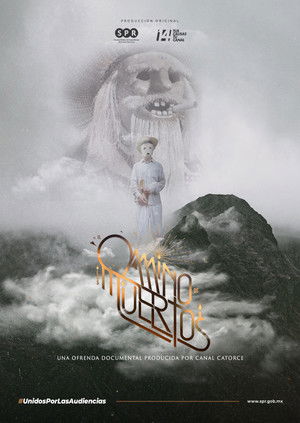
The Day of the Dead is one of the most deeply rooted and celebrated traditions in our country and when this festivity takes place in a magical town, the event becomes something memorable. The Day of the Dead tradition in Huautla de Jiménez, Oaxaca begins on October 27 with the arrival of the chá to xo´o´ and the celebration lasts six days. Hand in hand with its inhabitants, we will take a tour to witness all the colors, smells, flavors, sounds, textures, and visions that surround this ancestral festival and that of the Mazatecs.
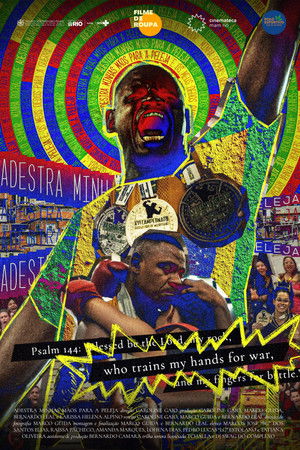
Founding a social Muay Thai project in the North Zone of Rio de Janeiro, Mestre BG and his competitors face the adversities of an underfunded project and fight to win their place on the podium. The challenges intensify when one of the students, Raíssa Pacheco, secures a spot to compete in a South American championship in Uruguay.
Documentary about the aftermath of the earthquake that shook Juchitán, on the Mexican Pacific coast. It tells the story of Dxani -muxe seamstress- and Jacinto -mason- and how their lives were radically changed by the strongest earthquake that hit this community; and the poor response of the corrupt authorities.
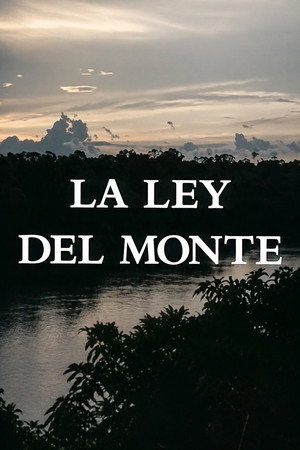
Shows the colonization process in the nature reserves of La Serranía de la Macarena and Bajo Caguán in Caquetá. The settlers and a FARC leader describe the causes of the burning of the forests and the role of the guerrillas in areas where there is no state presence.
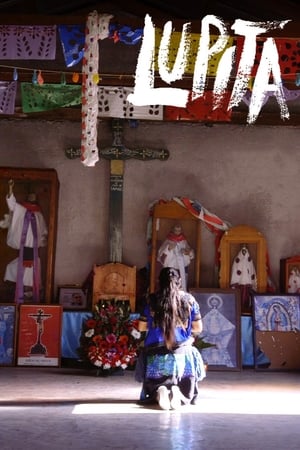
In Mexico, a country where indigenous people are increasingly displaced and discriminated against, Lupita, a survivor of one of the worst massacres in the country’s history, finds her voice in a movement led by indigenous women. The film intimately follows Lupita, a Tzotzil Maya woman, as she takes on the responsibility to be the spokeswoman of her people. Part lyrical testimony, part tribute to 500 years of indigenous resistance, this film mediates the point-of-view of a brave woman who must balance the demands of motherhood with her high stakes choices to reeducate and restore justice to the world.
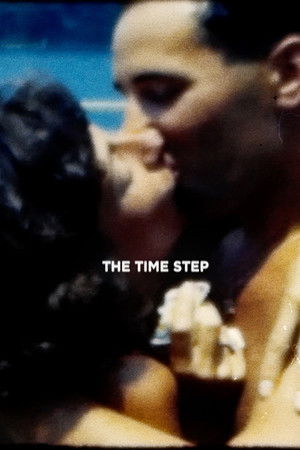
A portrait of the filmmakers grandmother made from self scanned 8mm footage from 1940's-1960's. Commissioned for the 2026 True/False Film Festival.
A coming-of-age story set in the Dominican Republic, where a group of young aspiring bachata musicians seek answers to love and life through their music. Filmed at the Academia de Bachata, the world's first bachata music school. Featuring maestro Martires de Leon, guitarist and arranger for Romeo Santos.
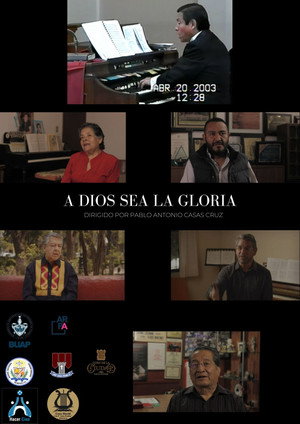
Through interviews with Mrs. Elsa Ruth Cañas Ruiz (widow), Mr. Israel David Rivera Cañas (son) and teachers Sergio Cárdenas, Eliseo Martínez García and Juárez Lincoln Velázquez Moreno and the use of archival material, the life, work and legacy of Mr. Israel Rivera Pérez is narrated, who was the director of the "David" Choir of the National Presbyterian Church "San Pablo" of Oaxaca and founding director of the Choir of the City of Oaxaca.
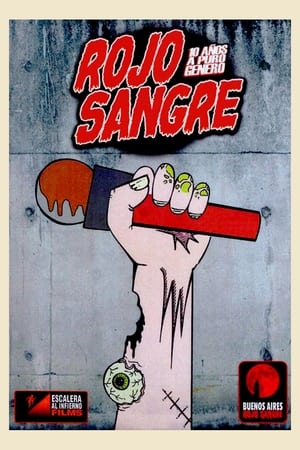
Argentinean filmmakers talk about the Buenos Aires Rojo Sangre Film Festival and the history of genre cinema in Argentina.
A filmmaker immerses herself in ancestral rituals and ceremonies, in hopes of discovering the connection between collective and individual healing.
In Park City, Utah a group of independent filmmakers attend a shoestring film festival and experience the oft-regular disillusionment of the low budget film world. However, they enter the orbit of the one man running the show and decide to come back the following year to help and change what was a beautiful disaster the year before.
Machine Plate
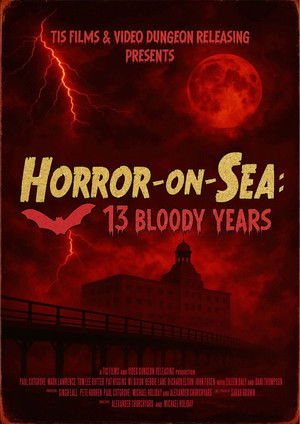
A documentation and celebration of 13 years of the Horror-on-Sea film festival in Southend-on-Sea, Essex, U.K.
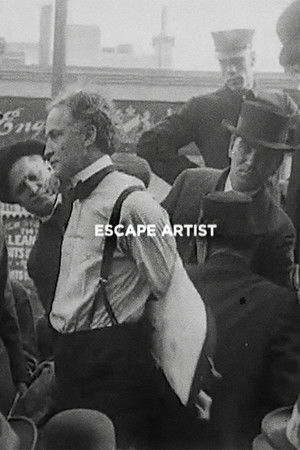
Director Robert Kolodny draws parallels between the Harry Houdini's conjuring power of sleight of hand and the creative process of hand crafting works of film. Commissioned for the 2026 True/False Film Festival.
Bomb Hunters is an engrossing examination of the micro-economy that has emerged in Cambodia from untrained civilians harvesting unexploded bombs as scrap metal. The film explores the long-term consequences of war and genocide in an attempt to understand the social, cultural, and historical context and experiences of rural villagers who seek out and dismantle UXO (unexploded ordnance) for profit. Part of a global economy, these individuals clear UXO from their land in order to protect their families from harm and to earn enough money to survive. Bomb Hunters is an eye-opening account investigating the on-going residual, persistent effects of war experienced by post-conflict nations around the globe, and the complex realities of achieving "peace".