What is "la escena" (the scene) and what is its importance, if any? Guillermo Gómez Álvarez tries to answer these questions with candid interviews from musicians and fans of the vibrant and, many times controversial, punk music scene in Puerto Rico. The decadence, rage, drugs, alcohol, politics, and social aspects are showcased in this documentary that tells an important part of the history of the great dysfunctional family that is "el punk boricua".
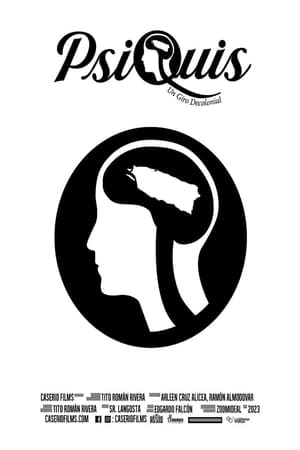
Guillermo Gómez Álvarez explores the identity politics of Puerto Rico via archival footage from various sources that clash with nine original songs from local independent musicians and a thematic analysis from a psychoanalyst and a historian. From the juxtaposition the absurd becomes coherent and the coherent becomes absurd as Puerto Rican identity is defined and rejected almost simultaneously.
Strong Puerto Rican women forced to flee the island after Hurricane Maria have bonded like family in a FEMA hotel in the Bronx. They seek stability in their new life as forces try to pull them apart.
Immigrant residents of a “shift-bed” apartment in the heart of New York City’s Chinatown share their stories of personal and political upheaval. As the bed transforms into a stage, the film reveals the collective history of the Chinese in the United States through conversations, autobiographical monologues, and theatrical movement pieces. Shot in the kitchens, bedrooms, wedding halls, cafés, and mahjong parlors of Chinatown, this provocative hybrid documentary addresses issues of privacy, intimacy, and urban life.
After years of facing racism and discrimination, director Josephine Ann reclaims her pride for her Hispanic heritage and proudly declares "Soy Boricua" (I am Puerto Rican).
Two tons of snow—flown from New Hampshire to Puerto Rico in 1952 in order to “gift” Puerto Ricans a “white Christmas”—become a metaphor for the colonialist paternalism of America’s relationship to Puerto Rico.
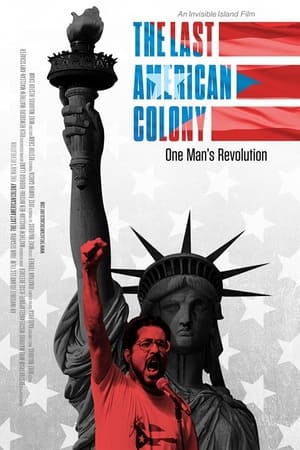
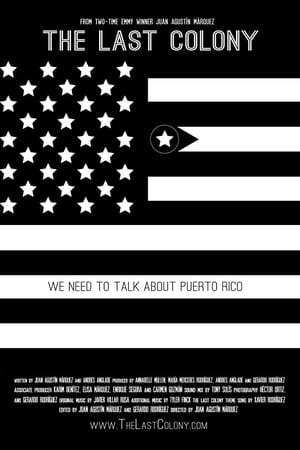
Puerto Rico, the last relic of colonization in the western hemisphere, has been a dependent territory of the USA since 1917. Los Macheteros and one of its leaders Juan Segarra have been fighting for its full independence for many decades.
Explore the 500-year history of the city of San Juan, from the move from Caparra to the different invasions during these centuries. It also looks at how different situations and people were key to what is now the capital of Puerto Rico. This documentary presents, through the recreation of key situations, archival material, and accounts of historians and researchers, decisive moments that influenced what is now the capital.
David Attenborough tells the revealing story of this Caribbean island's exotic but vulnerable wildlife. A team of conservation champions are making it their mission to save the most precious species. We see how Puerto Rican parrots, manatees and turtles are now making a comeback.
Documentary on the mass sterilization of Puerto Rican women during the 1950s and '60s.
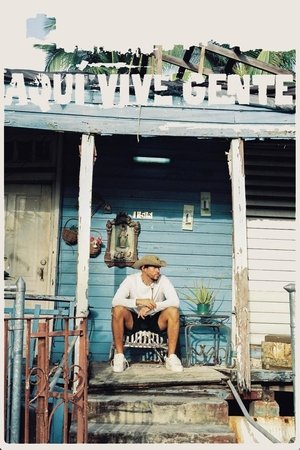
“El apagón: Aquí vive gente” is a 23-minute film that explores the socio-economic challenges in Puerto Rico, focusing on the effects of power outages and gentrification driven by the real estate and energy sectors. Through visuals and personal stories, the documentary highlights the experiences of Puerto Rican communities facing these issues.
At Arecibo Observatory in Puerto Rico, Eliana Nossa studies the ionosphere. This short films tells the story of Columbian researcher Eliana Nossa as she explains her study of the ever-changing universe, Arecibo's technology and data, and her role as a woman among her male colleagues. She studies the ionospheric irregularities that impact terrestrial communication.
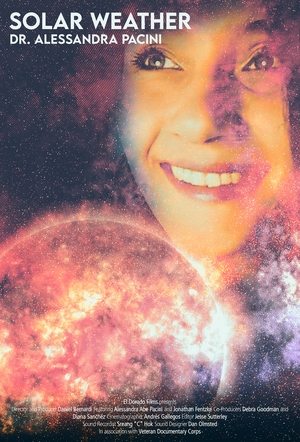
Alessandra Pacini, solar physicist and mother of two, has dedicated her life to researching our sun and its relation to the rest of our solar system. Traveling across the globe with her family, from Finland to Puerto Rico, Alessandra is on a mission to discover the great mysteries of our solar system.
A close look at Puerto Rico's unique relationship with the United States.
How fair is it for the government to control its citizens? Four Puerto Ricans confront their past when they open their “files”, the records obtained of the illegal surveillance and persecution that the Puerto Rican government held against citizens and organizations that disagreed with the establishment. Through their daily life, they will tell us their stories, experiences and intimate feelings of the persecution they suffered. Taking their past as an example, we will confront the present.
Artificial intelligence is taking on different roles in the filmmaking space. The questions we must ask ourselves are: what are the pros and cons of this advancement? How can we work with it, and what power do we have as human beings in the face of this technology?
Short documentary about the life of Dr. Pedro Albizu Campos.
Part of a series of films produced by Vme TV that features aerial videography shot from a helicopter of points of interest. This film in particular features points of interest in Puerto Rico.
Hurricane María abated, the news crews packed up and left Puerto Rico, and the interest of the international community turned elsewhere. What happened next?
Documentary on Pablo Casals first visit to Puerto Rico.