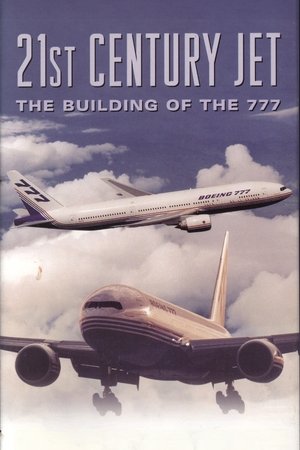
Based on archival footage, appreciates engineering genius and celebrates the long-term survival of the ‘jumbo jet’.
Britain's iconic and 'secretive' engineering companies reveal how they build the world's most amazing machines. The first part of the series "How to build a nuclear submarine" a documentary following the construction of the Astute nuclear submarine. The second part of the series "How to build a jumbo jet engine", the story of the thousands of people who design, build and test engines at Rolls-Royce’s manufacturing plants in Derby and across the UK, making Rolls-Royce a central part of life for the people of places like Derby. The third and final part of the series "How to build Britain's secret engineers" when the documentary team follows workers at a leading British company on a global journey, as they reveal a handful of their secretive projects including getting Chinook helicopters ready for front line service.
The Channel Tunnel stands as an engineering triumph and a testament to what can be achieved when two nations, Britain and France put aside their historic differences and work together. On the 25th anniversary of its opening, we reflect on what it took to build the longest undersea tunnel ever constructed.
AFP: American Fighter Pilot is a reality series broadcast briefly on CBS in 2002. It followed three Air Force officers as they trained to become pilots of F-15 fighter jets at Tyndall Air Force Base outside of Panama City, Florida. The series included footage of their experiences in the air, as well as interactions with their families and instructors. Directors Tony Scott and Ridley Scott were co-executive producers. Unsuccessful in the ratings, the series was cancelled after two episodes.
The Transamazon highway was a gigantic saga, the greatest example of the pharaonic works of the Brazilian military government. But the road that would promote national integration was best known for linking the famine of the Northeast with the misery of the Amazon. This haunting docuseries follows the story of the construction of this highway and its morbid consequences.
A risky expedition along thoroughfares that harbor mortal danger for those who use them or live on them. They run through deserts, ice, and snow, deep in the jungle, along water, and over mountains: the world's most dangerous roads, truly "hot roads." Many have died along these roads.
Australia's aviation history is a saga of daring feats, can-do attitude, pig-headed visionaries, iron-fisted politicians and warring pilots; of humble beginnings and mega deals.
Investigating mankind's insatiable necessity to move faster and further; for pleasure, for work, to explore, to survive.
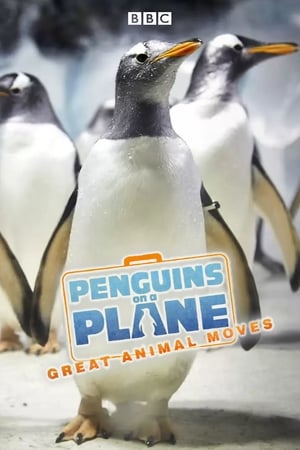
Penguins on a Plane: Great Animal Moves follows the expert handlers entrusted with transporting some of the world's most precious and challenging cargo safely to their destinations.
The story of the people building the AVRO Arrow, an advanced jet fighter-interceptor designed to defend Canada's vast territory during the Cold War. Though the jet was an engineering marvel, cost over-runs, U.S. government pressure from the military industrial complex, and the election of the Progressive Conservative Diefenbaker government, stopped the jet just as it was getting off the ground.
This new series features the fascinating stories of three of the most important commercial aircraft ever to take to the skies.
Terror of the World: The story of a deadly war that intertwines Germany, Poland, Japan, Italy and Spain, and the remorseless development of weapons and bombers.
This definitive history of manned flight has been compiled into 26 hour episodes, with access to some of the rarest archive film ever taken. Unprecedented co-operation has been extended by the world's leading aircraft manufacturers and leading archive libraries. Included in the footage are shots of rare prototype accidents and failures which contributed to the inevitable achievement and success of man in the air. Since Charles Lindbergh became the first lone aviator to cross the Atlantic in 1927, air transport has greatly accelerated , revolutionised by the giant Boeing 747 Jumbo Jet - and what might we see in the 21st century?
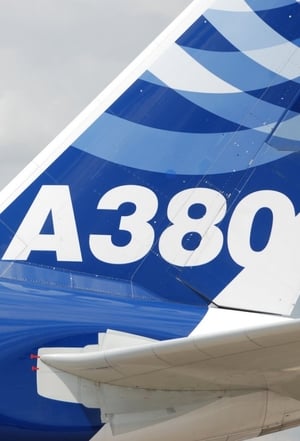
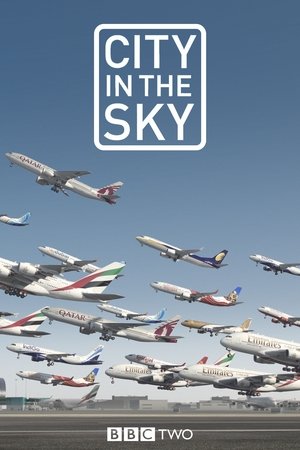
Dallas Campbell and Dr Hannah Fry investigate what it takes to get a million people and their luggage off the ground and up in the air. From building the world's biggest passenger plane to navigating through the busiest airport on the planet, to the perils of getting airborne in the coldest city on earth - Dallas and Hannah go to extremes to get under the skin of the remarkable story of departure. You will never look at flying in the same way again.
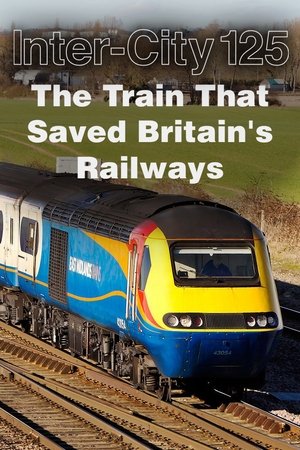
Intercity 125 – Britain's own original high-speed train – rules the rails today, but this national icon is set to give way to hi-tech imports. It's time to celebrate the heroic story of a design classic that saved Britain's railways from terminal decline.
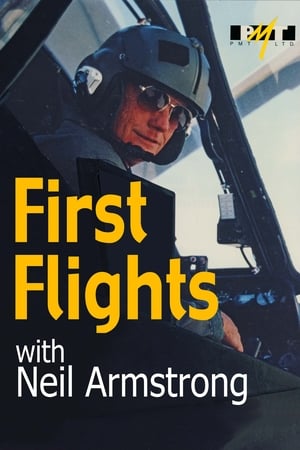
NASA Apollo astronaut Neil Armstrong adds to his long list of space flight & aviation accomplishments as he takes the controls of a variety of flying machines. Each episode blends historic footage, interviews, and flying. Armstrong takes you on an exhilarating adventure through time.
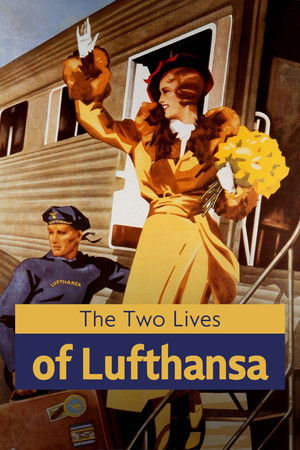
A century ago, the world experienced a revolution in mobility. Cities like Berlin grew rapidly, with the Graf Zeppelin soaring over the city in 1928, sparking excitement for airship travel. These majestic airships made ocean crossings faster and more luxurious, and even enabled polar expeditions. At the same time, automobiles and motorcycles became staples for many, although streets became congested. Women like Amelia Earhart and Elly Beinhorn broke barriers in aviation, inspiring new possibilities for both genders in the field of technology. While air travel grew in popularity, trains remained the main long-distance transport. The era also saw an explosion of new mobility options, with faster, cheaper ways to travel across the globe, making the world seem smaller and more connected. However, this golden age of mobility would be cut short by the outbreak of World War II.
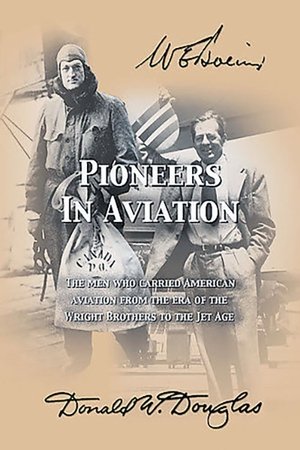
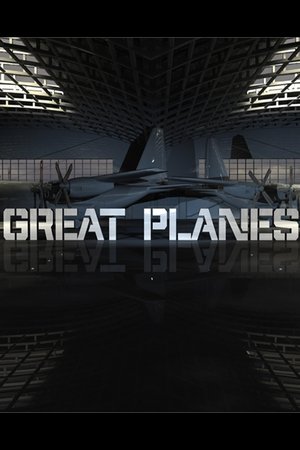
In 1903, not only did the Wright brothers ’plane soar, but a young man named William Boeing stepped out of the Yale University gates. 13 years later, using wood, canvas and wire, the first "Boeing model", the B&W, was born. Boeing has since grown into a huge company and developed countless models, including the 1957-92 passenger jet, the 707. Later, we learn about the Constellation designed by Lockheed in the early 1940s. The fuselage of the machine evokes the graceful form of a dolphin, no wonder that with its beauty it also won the title of "Queen of Heaven". The C-69 was the first model to cross non-stop America, covering the Los Angeles-Washington DC distance in record time of 7 hours and 3 minutes. Connies were used for both military and civilian purposes until the early 1960s. This and many more stories are recounted here in Great Planes.
Discover the excitement of flying as we reveal the most remarkable aircraft ever built and the aeronautical advancements that shaped flying history in Flying Through Time. Audiences will marvel at historic airships, be wowed by war planes and delight at luxury jetliners.
The warplane has evolved over nearly a century to become what it is today, in 2004. This series is the story of how, through life-and-death necessity, invention, ingenuity and sheer hard work that warplane technology evolved. The Warplane series is not a history of every military plane but rather a look at the major stepping stones that advanced military aviation.