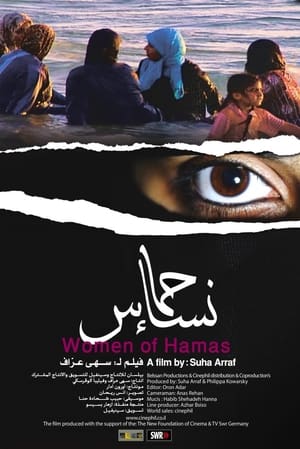
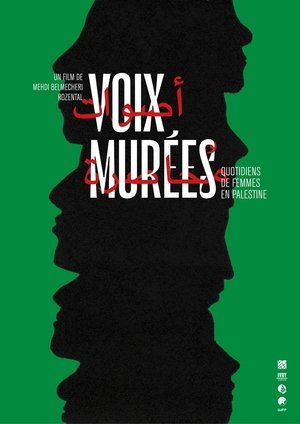
Everyone was surprised at the triumph of Hamas in the last Palestinian elelctions, but the bigger surprise was that the women were behind that victory. We follow three Hamas women to try and understand why an Islamist political party, operating in a very conservative society, allows its women to become political, social and even military leaders.
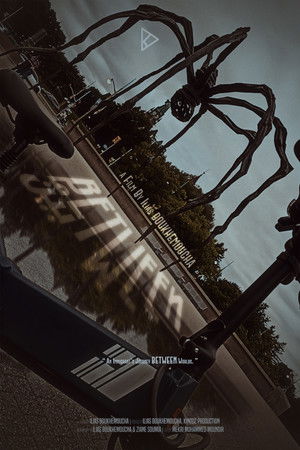
Initially embarking on an unplanned personal filmmaking project, Ilias Boukhemoucha finds himself drawn to the overlooked corners and marginalized communities within Canadian cities.
A documentary of Palestinian children that lived through the Israeli military's intervention in the Gaza Strip in late 2008. The film depicts how the children of the Samuni family, that lost 29 members in the conflict, have accepted the deaths of their loved ones and how they try to overcome.
Shuja’iyah: Land of the Brave represents one filmmaker’s personal reflection on the meaning of “crimes against humanity” in the context of Israel’s ‘Operation Protective Edge’ waged in the Gaza Strip in 2014, using footage of her family filmed in the summer of 2013 juxtaposed against audio from the summer of 2014. Assali posed the question, when we say ‘crimes against humanity’, what ‘humanity’ are we talking about?”
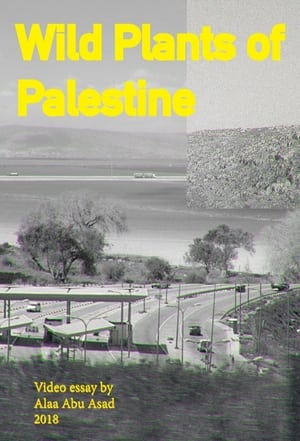
The film follows journeys of observational tours solicited by the Palestinian Museum and conducted by two professors from Birzeit University to collect photos of and information on the Palestinian Flora. The title is adapted from a collection of 123 images (circa 1900 to 1920) of wild flowers in Palestine found in the Matson Collection in the Library of Congress. Despite the tendency to trace the wild plants, the text in general aims at questioning the territorial extension of what is meant by the term “Palestinian”, while standing on insignificant topographical features of the (postcolonial) landscape in West Bank. Furthermore, it addresses photography as a practice and a tool of distributing and restricting information at once.
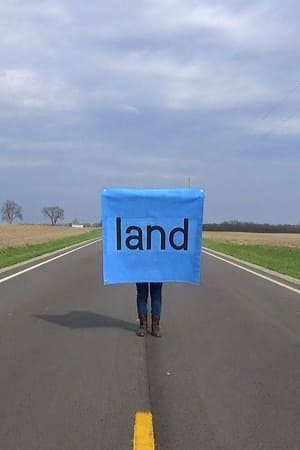
In 2020, just as the pandemic was beginning, Gazala purchased land in western Ohio, on which sits a disused school building. This site allowed her to explore her complex relationship with “the land.” As the daughter of displaced indigenous Palestinians, she attempts to form a proxy bond with the earth, on ground that was stolen from the displaced indigenous Shawnee people. Closeness to the Land is video footage of hand-painted text signs that translate the word الأرض (ard) into six English words, displayed performatively in multiple locations to capture the now-invisible nature of indigenous culture in Ohio. These signs were installed on the old schoolhouse in early 2021.
Long legs, tall neck, wide eyes – giraffes are the beauties of the African savannah. But there is so much more to these gentle giants: their exceptional body, their distinctive behavior, and their social lives. So far, giraffes have been decorative extras in many wildlife films, towering over the savannah. Our production takes a fresh look at the tallest animals of all, revealing brand new details about the African icon. We present giraffes in the savannah of Kenya, in the South African grassland as well as in the desert of Namibia. Experience never before seen material that will add up to a comprehensive and entertaining portrait of Nature’s High Society.
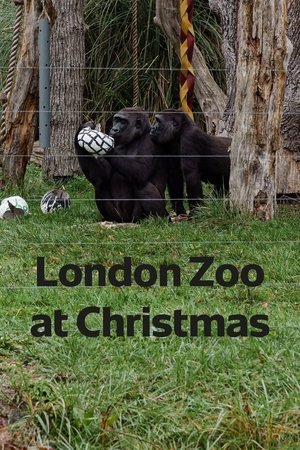
An exclusive, festive behind-the-scenes look at the iconic London Zoo, as they prepare for the most wonderful time of the year and make the holiday magic happen.
Israeli-born director Tamara Erde visits six independently-run Israeli and Palestinian schools to investigate how history is taught in this contested region.
Borderline
Structured in chapters, the film moves from the aftermath of the 1967 war to mass demonstrations and training grounds, where men, women, and children practice survival and resistance. The camera’s proximity, switching between black-and-white and colour, treats cinema as witness, archive, and rallying cry.
Using only rare archival and newsreel footage, this film tells the story of Palestine from the nineteenth century through current times.
Voix murées : Quotidiens de femmes en Palestine
Something from there is a short film on the substance of our original lands. Weaving between the voices of the artist’s parents, one a refugee and the other not, the film is personal, yet evokes a shared Palestinian experience.
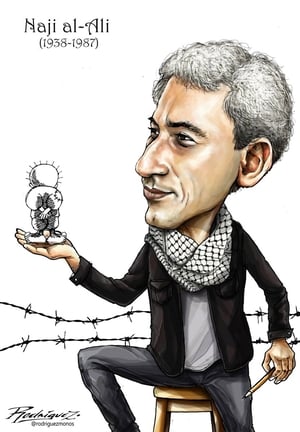
In July 1987, Palestinian cartoonist Naji Al Ali was shot by an unknown assassin. This documentary traces his life and work from his birth in Galilee to his death in London. It examines the forces that shaped Naj Al Ali as an artist and as a human being and shows how his experiences mirrored those of other exiled Palestinians.
A road trip through the hills, valleys and villages of Palestine, following Murad, the cinema-lover who has made it his mission to bring Palestinian cinema to Palestinians in forgotten and marginal communities in the West Bank.
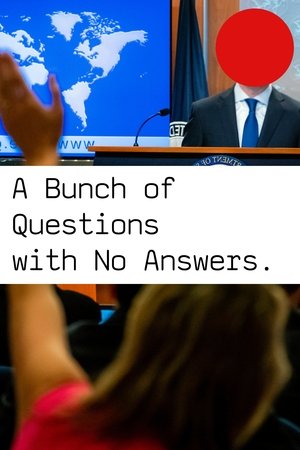
A Bunch of Questions with No Answers (2025) is a 23-hour film by artists Alex Reynolds and Robert M. Ochshorn. Compiled entirely from questions posed by journalists at U.S. State Department press briefings between October 3, 2023, and the end of the Biden administration, the work removes the officials’ answers, leaving only the unresolved demands for clarity and accountability.
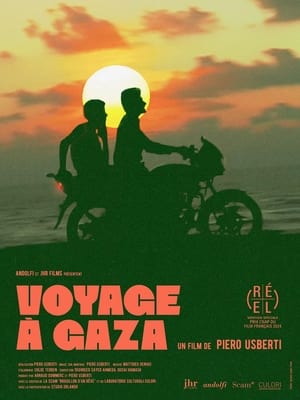
“In Gaza you have to get there in the evening, in spring, lock yourself in your room and from there listen to the sounds coming in through the open window.... It's 2018. I am 25 years old and a foreign traveler. I meet young Palestinians my age..”
An attempt to express the daily experience of Palestinians excluded by an apartheid regime, exploring various aspects of the Israeli occupation. Through narratives from four different regions of Palestine, it culminates in a collective narrative of Palestinian resistance as an everyday act of survival and struggle.
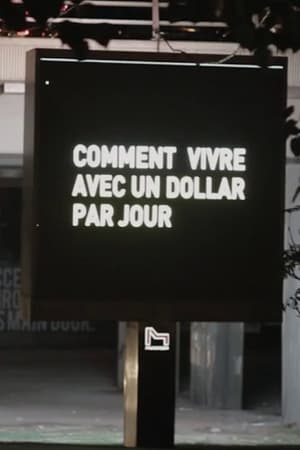
Poetry is everywhere, even in the refugee camps where absolute misery reigns. In front of old plastic advertising posters on which are drawn in giant format the big icons of luxury and consumerism that make up their shelters, refugee children stand like kings. Symbols of life at the heart of war, fragility, and death, these children are shown by Jocelyne Saab as precious notes of hope in the heart of a dehumanized world. One Dollar a Day was filmed in the Syrian refugee camps of the Bekaa plain, Lebanon in 2015, with text by Etel Adnan.