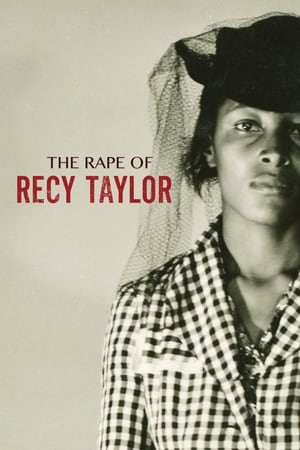
Recy Taylor, a 24-year-old black mother and sharecropper, was gang raped by six white boys in 1944 Alabama. Common in Jim Crow South, few women spoke up in fear for their lives. Not Recy Taylor, who bravely identified her rapists. The NAACP sent its chief rape investigator Rosa Parks, who rallied support and triggered an unprecedented outcry for justice. The film exposes a legacy of physical abuse of black women and reveals Rosa Parks’ intimate role in Recy Taylor’s story.
People impacted by white supremacy tell their stories, including an ex-Klan member building a new life free from hate and the family of a Charleston church shooting victim.
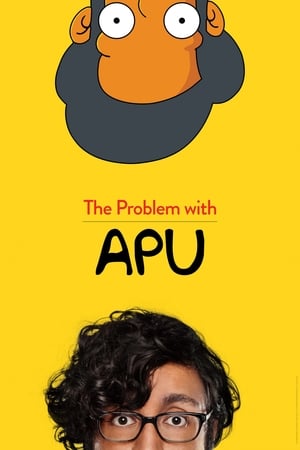
In the history of “The Simpsons,” few characters outside the title family have had as much cultural impact as Apu Nahasapeemapetilon, the Springfield convenience store owner. Comedian Hari Kondabolu is out to show why that might be a problem.
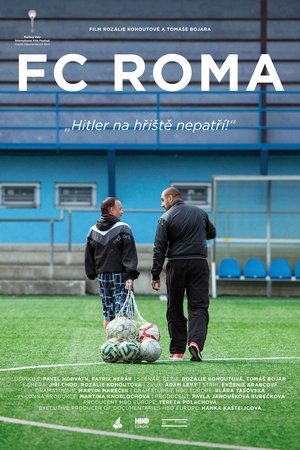
A team of Romany football players try to overcome prejudice in this Czech documentary.
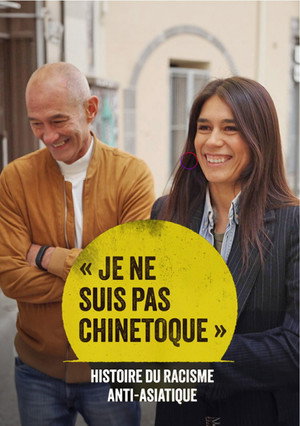
Journalist Émilie Tran Nguyen invites the viewer to follow her in her quest and discover, at the same time as her, the historical origins of this anti-Asian racism. Told in the first person, alternating archive images, interviews with historians, sociologists and field sequences, this film traces the making of prejudices in the French imagination and pop culture, to twist the neck of stereotypes, deconstruct and act.
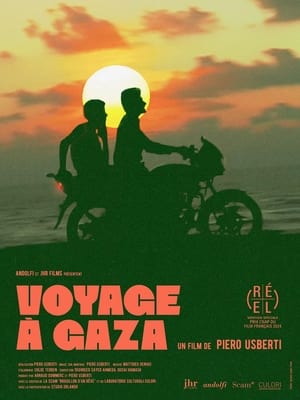
“In Gaza you have to get there in the evening, in spring, lock yourself in your room and from there listen to the sounds coming in through the open window.... It's 2018. I am 25 years old and a foreign traveler. I meet young Palestinians my age..”
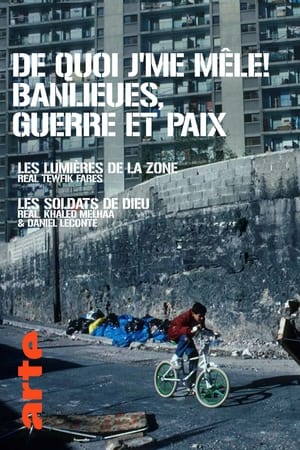
From the “integration model” to the “Islamist fanatic”, France fantasizes about these children of immigrants who grew up with it. Like every month “What I’m Meddling With!” presents portraits, the result of an in-depth investigation, to give a face to today's questions. The program, broadcast in the thematic evening of the Franco-German channel Arte, is made up of 2 ambivalent documentaries: "Les Lumières De La Zone" and "Les Soldats De Dieu" followed by debates.
Parks makes himself the subject, tracing his development as a person and an artist through a non-narrative abstract self-portrait that combines his photographs with his poetry, musical compositions and scenes from his films. It also features footage of Parks, plus interpretations of his personal reminiscences performed by actors Avery Brooks, Roscoe Lee Browne, and Joe Seneca.
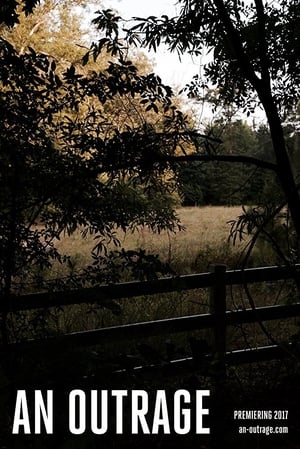
AN OUTRAGE is a documentary film about lynching in the American South. Filmed on-location at lynching sites in six states and bolstered by the memories and perspectives of descendants, community activists, and scholars, this unusual historical documentary seeks to educate even as it serves as a hub for action to remember and reflect upon a long-hidden past.
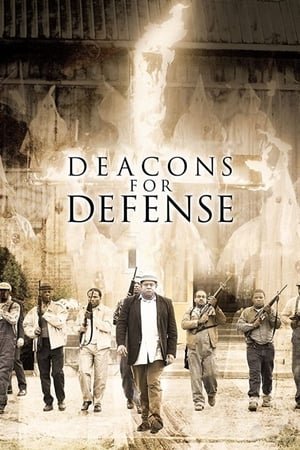
Inspired by a true story, this drama is set in 1965, not long after passage of the Civil Rights Act. Despite the Act, the African-American citizens of Bogalusa are still treated like third-class citizens, their fundamental rights as human beings persistently trampled by the white power structure, in general, and the local branch of the KKK. The story follows the formation of local black men, particularly ex-war veterans who after the struggles become too overbearing organizes the group, "Deacons for defense", an all-black defense group dedicated to patrolling the black section of town and protecting its residents from the more violent aspects of "white backlash."
Falácias
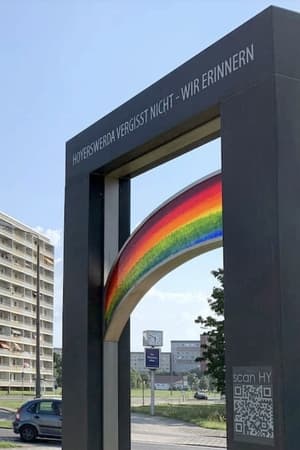
Hoyerswerda '91
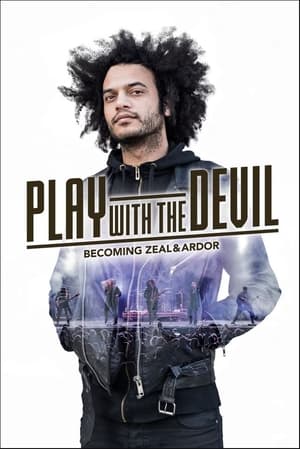
Zeal & Ardor catapults Swiss musician Manuel Gagneux from the underground to the world stage. Religion, racism, segregation and appropriation: Gagneux makes music against taboos. But being a leader against his will scares the introverted artist. Can he remix the game?
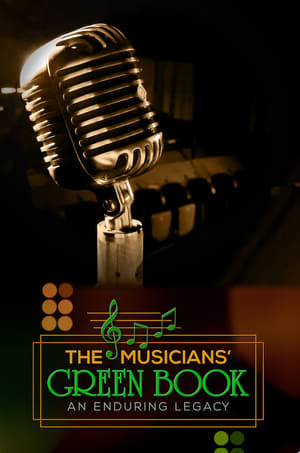
Stories and music of Black artists who relied on an underground travel guide to navigate the injustices of racial segregation while on the road. The Negro Travelers’ Green Book was a directory of lodgings, restaurants, and entertainment venues where African Americans were welcomed. Features performances and interviews with vocalists, musicians, activists, historians, and others.
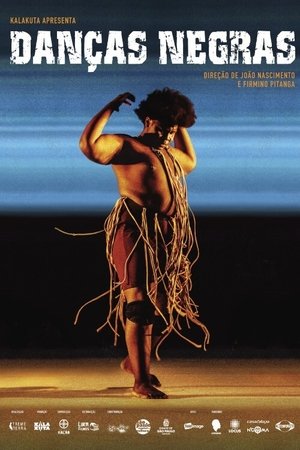
A debate about the presence of black culture in Brazilian contemporaneity, as well as the various paradoxes found in the environment of a society marked by a racist and slavery tradition.
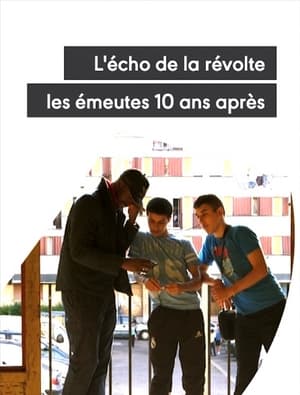
On October 27, 2005, Zyed Benna and Bouna Traoré died in an electrical substation while fleeing the police, sparking three weeks of riots across France. A decade later, as the officers involved are acquitted, the film revisits the voices of those who lived through the uprising. Through their stories, it explores what remains of that anger and how their view of society has evolved.
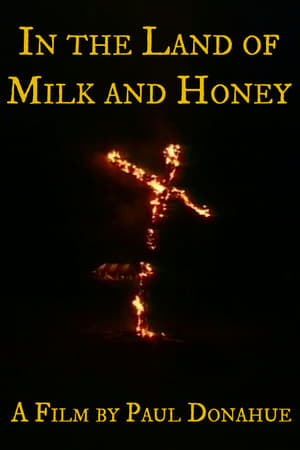
Examines Pulaski, Tennessee, the town where the Ku Klux Klan was founded right after the Civil War, and where today its memory still runs very deep. Combining interviews with local residents, attendees at a Klan rally and counter demonstrators; historical photos; contemporary footage; scenes of a museum exhibit of the last-known original Klan robe; and a cross burning ceremony by the Klan; the video reveals Pulaski's historical and ongoing relationship to this controversial organization. We learn how Pulaski's citizens remember and reconcile the history of the Klan, how they continue to be divided about the organization's meaning and role, and how such history remains contested for Americans.
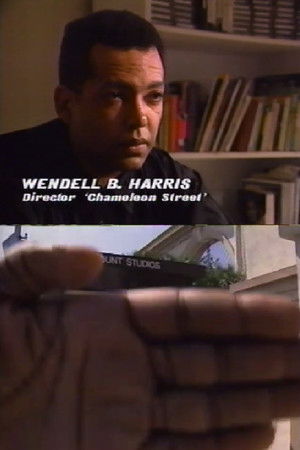
Elvis Mitchell uncovers why Chameleon Street (1989) by Wendell B. Harris Jr. failed to secure a proper distributor deal. Originally aired as a segment on "20/20".
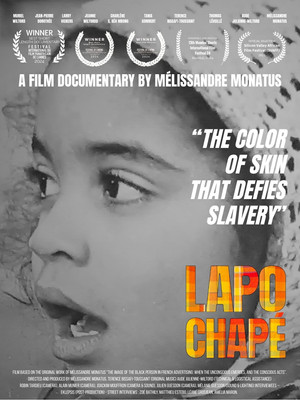
The term "Lapo Chapé", derived from Martinican Creole, means "the skin color that escapes the status of a slave." This documentary thus explores the themes of skin color and mixed heritage from a unique perspective, through a series of testimonies that shed light on the invisible influences of history. These influences have shaped our social representations and continue to challenge our perceptions of identity today.
Our Colonial Hangover analyzes the debate surrounding the racist component of the Dutch Black Pete character. Although the debate always heats up around the time of the Saint Nicholas celebrations every December, it reached an unprecedented level of ferocity in 2013.