A handful of prisoners in WWII camps risked their lives to take clandestine photographs and document the hell the Nazis were hiding from the world. In the vestiges of the camps, director Christophe Cognet retraces the footsteps of these courageous men and women in a quest to unearth the circumstances and the stories behind their photographs, composing as such an archeology of images as acts of defiance.
Errol Morris examines the incidents of abuse and torture of suspected terrorists at the hands of U.S. forces at the Abu Ghraib prison.
The Bokelberg photographic collection brings to life the Paris of the Belle Époque (1871-1914), an exhibition of workshops and stores with extremely beautiful shop windows before which the owners and their employees proudly pose, hiding behind their eyes the secret history of a great era.
Six blind people around the world are given a camera and asked to take photos of whatever they like.
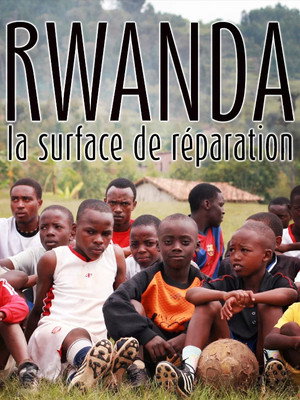
Rwanda For Memory (Rwanda pour mémoire) is a 2003 documentary film about the Rwandan Genocide. Facing up to the scars left by the genocide, Samba Felix N’Diaye manages to find just the right sense of distance to film the inexpressible while nevertheless communicating a message of hope.
Early graffiti writer and documentarian Roberto “Flint…” Gennari has an opportunity to cement his legacy nearly half a century after he began documenting the infancy of graffiti in New York City. This film features archival photo and video by the artist as well as interviews with the artist, his contemporaries and industry experts.
Colita: El viaje sin fin
A tribute to the cameramen of the newsreel companies and the service film units, in the form of a compilation of film of the cameramen themselves, their training and some of their most dramatic film.
In the year following the 9/11 terrorist attacks, young journalist Claude Baechtold finds himself in the war zone of Afghanistan. Not entirely voluntarily, the avowed anti-militarist is dragged by two fearless reporters on a round trip through the entire country.
Traces the life and mental illness of New York artist and photographer Ruth Litoff, and her sister's struggle to come to terms with her tragic suicide.
The co-founder of the Gamma press agency, Raymond Depardon, created this documentary of press photographers in Paris and their subjects by following the photographers around for one month, in October, 1980. In-between long hours waiting for a celebrity to emerge from a restaurant or a hotel, boredom immediately switches to fast action as the cameras click and roll when the person appears. The reaction to the gaggle of photographers is as varied as the people they often literally chase all around town. While some of the celebrities, such as Jacques Chirac who was mayor of Paris at the time, are perceived as comical caricatures, others are shown simply going about ordinary pursuits - including Catherine Deneuve, Gene Kelly, and Jean-Luc Godard.
A slice-of-life documentary following Ulla, a blind woman adjusting to life after eye removal surgery. With the help of her guide dog, Laina, she navigates Helsinki while pursuing a prosthetic eye and a deeper understanding of photography.
Follow the animated journey of an Indigenous photographer as she travels through time. The oral and written history of her family reveals the story — we witness the impact and legacy of the railways, the slaughter of the buffalo and colonial land policies.
Therese Frare's photograph of the AIDS activist David Kirby on his deathbed incited international controversy when it was used in a United Colors of Benetton advertisement in 1992. This short documentary, commissioned by TIME Magazine for their series 100 Photos about the most influential photographs of all time, features photographer Therese Frare, former Benetton Creative Director Oliviero Toscani, and the artists and AIDS activists Tom Kalin and Marlene McCarthy.
Peter LeDonne and Steve Kalafer chronicle the extraordinary life of Immaculée Ilibagiza, a young African woman who escaped genocide in Rwanda and ultimately found refuge in the United States. Seeking shelter with an Episcopalian minister, Immaculée hid from her attackers inside a bathroom for three long months but stayed centered through prayer and faith.
The work of photographer Diane Arbus as explained by her daughter, friends, critics, and in her own words as recorded in her journals. Illustrated with many of her photographs. Mary Clare Costello, narrator Themes: Arbus' quirky go-it-alone approach. Her attraction to the bizarre, people on the fringes of society: sexual deviants, odd types, the extremes, styles in questionable taste, poses and situations that inspire irony or wonder. Where most people would look away she photographed.
An account of the professional and personal life of renowned American photographer Annie Leibovitz, from her early artistic endeavors to her international success as a photojournalist, war reporter, and pop culture chronicler.
The film tells the story of the intimate and unprecedented encounter between the photojournalists of the Magnum Agency and the world of cinema. The confrontation of two seemingly opposite worlds – fiction and reality. For 70 years their paths crossed: a family of photographers, amongst them the biggest names in photography, and a family of actors and filmmakers who helped write the history of cinema, from John Huston to Marilyn Monroe to Orson Welles, Kate Winslet and Sean Penn.
Valentine and Jean-Claude start a new life in Kigali with their newborn baby, Justice. Their country, already battered by racial propaganda and brutality, finally seems ready for peace and justice.
A film centering on the life and work of Ron Galella that examines the nature and effect of paparazzi.