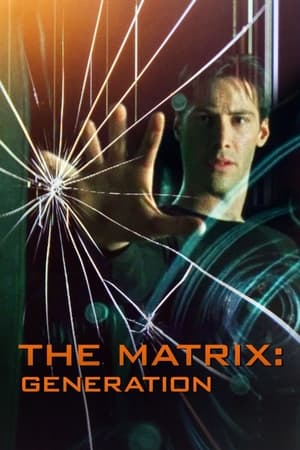
After the 1999 premiere of the first Matrix movie, it became a pop culture phenomenon. A special documentary about the Matrix saga and its prophetic aspects.
Every year, thousands of German citizens travel to India, hoping to have a spiritual awakening of their own. In turn, they end up taking bits and pieces of Indian culture back home with them, creating a distorted version of Indian religion that’s practiced widely across Europe. The number of yoga institutes, ashrams, and Sanskrit institutes in Germany indicates that younger generations are far from giving up on this trend. Some are so enamored by this version of Indian culture that they travel thousands of kilometres to meet their spiritual advisors in tents, attend yoga sessions at 5 in the morning, and, in some cases, even adopt Indian names and clothes to try and connect more with this Eastern way of living. But exactly how prevalent is this trend?
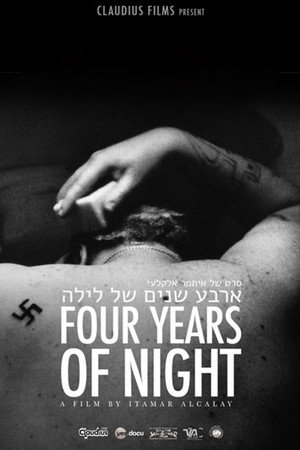
For four years (1977-1981) Esaias Baitel documented a violent Parisian neo-Nazi gang. Having gained their trust, he was able to get close to them. Living among the gang members, he witnessed horrific events, and while hiding his real identity, he photographed a one-of-a-kind collection of gripping stills. Over thirty years have passed. Esaias Baitel has laid his camera down. He returns to the dark nights he spent in the City of Lights, the city where he lived a double life, going back and forth from the gang to the young family he had just started.
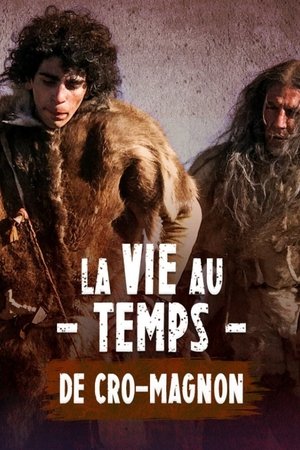
La vie au temps de Cro-Magnon
The face of stone. About the natural beauty of Ural gemstones, about the unparalleled beauty of pieces and jewellery made by Russian master jewellers. Malachite was used in the furnishing of the lounge room at the Winter Palace in St. Petersburg, which is why it is called the Malachite Room. Also featured are malachite items made using the complex technique of Russian mosaic. This semi-precious stone became widely used by craftsmen after the discovery of huge malachite deposits in the Demidov mines in the Urals.
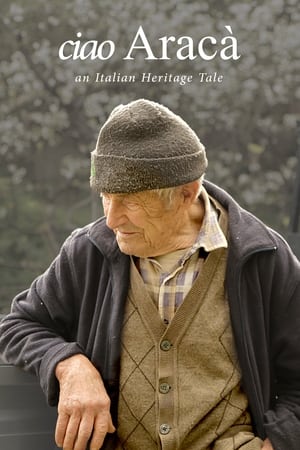
"...a charming depiction of life as I knew it with my grandparents in my own village..." Clara Caleo Green, Cinema Italia UK "The sum of the individual fates and life choices paints a picture, the validity of which extends far beyond this village." Joachim Manzin, Black Box This documentary records the thoughtful and emotional confrontation with time, change, loss and hope related by the members of a small community in the idyllic Ligurian countryside who are dealing with a rapidly changing agricultural industry, transformed by globalisation and technological advances and an increasing number of foreigners buying the empty houses in their village. Forgoing the use of music and voice over, the film lets Aracà's inhabitants tell their own stories and allows the audience to dive into the rich soundscape of the ligurian alpine countryside.
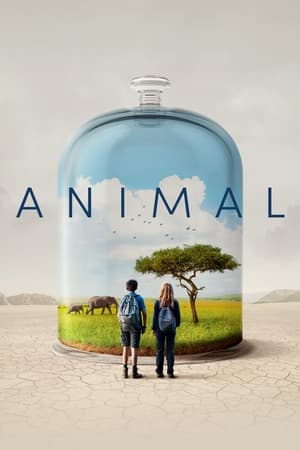
16-year-old Bella and Vipulan are part of a generation convinced its very future is in danger. Between climate change and the 6th mass extinction of wildlife, their world could well be inhabitable 50 years from now. They have sounded the alarm over and over, but nothing has really changed. So they’ve decided to tackle the root of the problem: our relationship with the living world. Over the course of an extraordinary journey, they come to realize just how deeply humans are tied to all other living species. And that by saving them… we’re also saving ourselves. Humans thought they could distance themselves from nature, but humans are part and parcel of nature. For man is, after all, an Animal.
In a quiet forest, a sign warns of radiation hazard. “Is this the past or the future?” muses the masked figure who appears like a kind of ghost in nuclear disaster areas. At a time when nuclear power may be re-emerging as an alternative to fossil fuels, this calmly observed and compelling tour takes us to places that may serve as a warning.
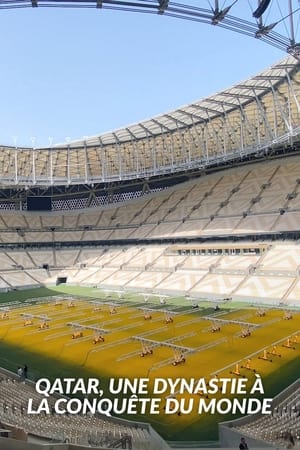
For three decades now, Qatar, this small desert kingdom, has not stopped being talked about; because of its financial power and the secrecy that surrounds it, the royal family that runs it fascinates as much as it frightens.
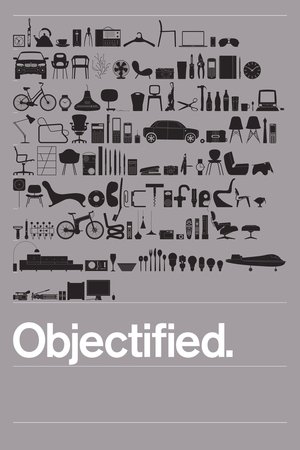
A feature-length documentary about our complex relationship with manufactured objects and, by extension, the people who design them.
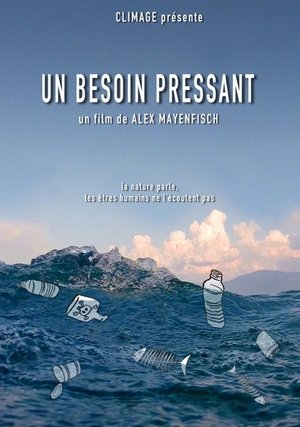
Un Besoin Pressant
Explores the Pyramids of Giza as Egyptologists try to unravel the mysteries and decipher the clues behind these stone giants built over 4,500 years ago.
An exploration of the 'respectable' and 'immoral' stereotypes of women in Indian society told from the point of view of two striptease dancers in a Bombay cabaret.
Children parade through the streets of Hinton St George in Somerset on the last Thursday of October. Children have hollowed out pumpkins or mangelwurzels, a type of animal fodder turnip to make lanterns following a tradition in this part of West Somerset that coincides with Halloween. Punky or Punkie Night is thought to date from the turn of the 20th century or perhaps medieval times chanting rhymes and following a Punkie King and Queen.
A portrait of the hacking community. In an effort to challenge preconceived notions and media-driven stereotypes Hackers Are People Too lets hackers speak for themselves and introduce their community to the public.
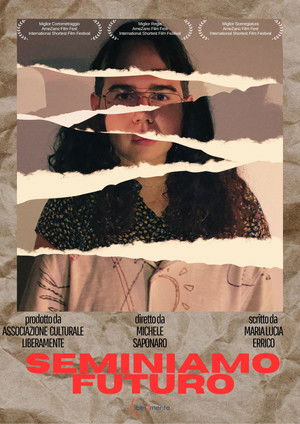
Seminiamo Futuro
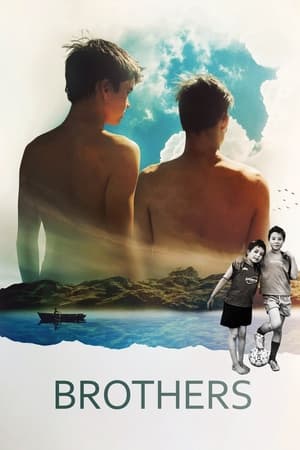
A film about the close relationship between two brothers. Markus (10) and Lukas (7) live in an old, yellow townhouse in the middle of Oslo. The river runs close to their home. A paradise in the heart of a big city. Here the brothers grow up with their dreams and longings for the future.
"Africa Light" - as white local citizens call Namibia. The name suggests romance, the beauty of nature and promises a life without any problems in a country where the difference between rich and poor could hardly be greater. Namibia does not give that impression of it. If you look at its surface it seems like Africa in its most innocent and civilized form. It is a country that is so inviting to dream by its spectacular landscape, stunning scenery and fascinating wildlife. It has a very strong tourism structure and the government gets a lot of money with its magical attraction. But despite its grandiose splendor it is an endless gray zone as well. It oscillates between tradition and modernity, between the cattle in the country and the slums in the city. It shuttles from colonial times, land property reform to minimum wage for everyone. It fluctuates between socialism and cold calculated market economy.
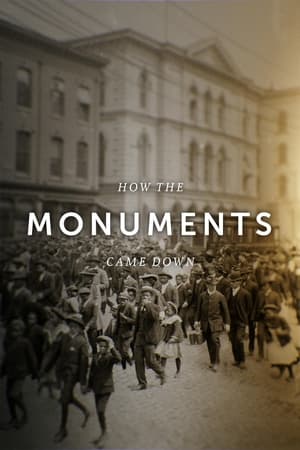
How the Monuments Came Down is a timely and searing look at the history of white supremacy and Black resistance in Richmond. The feature-length film-brought to life by history-makers, descendants, scholars, and activists-reveals how monuments to Confederate leaders stood for more than a century, and why they fell.
C'est tout pour nous et vous