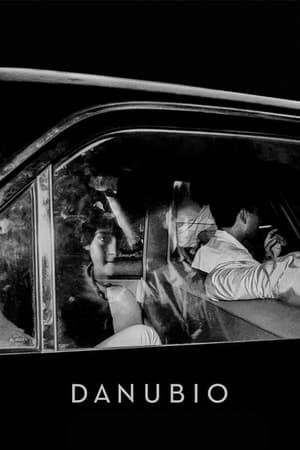
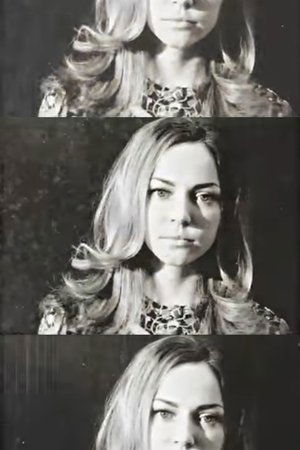
Meditative and quiet movie about transphormations of Dnipro river in Ukraine, that touches theme of collective versus individual rights, filmed in the dusk of USSR.
Passionate about ocean life, a filmmaker sets out to document the harm that humans do to marine species — and uncovers an alarming global conspiracy.
The film is a controversy on democracy. Is our society really democratic? Can everyone be part of it? Or is the act of being part in democracy dependent to the access on technology, progression or any resources of information, as philosophers like Paul Virilio or Jean Baudrillard already claimed?
Director Agnès Varda and photographer/muralist JR journey through rural France and form an unlikely friendship.
How African artists have spread African culture all over the world, especially music, since the harsh years of decolonization, trying to offer a nicer portrait of this amazing continent, historically known for tragic subjects, such as slavery, famine, war and political chaos.
Over three pivotal years in party politics, activists in the safest Labour seat in the country campaign for change under the banner of Jeremy Corbyn's 'For The Many' manifesto.
Dark green, impenetrable forests cover a landscape with secluded valleys and rugged mountain ridges. 2.000 rivers and streams dig deep into the underground and transport their water into reservoirs or "Germany's Wild Amazon", the Wupper. These forests and rivers, together with heath-lands and moors, are home to a diverse fauna. Martens, badgers, wild boars, hares, roe deer, red deer and wild boars, even black grouse and hazel deer find shelter in these parts. Wolves have also have a dominant presence, not to mention those who live underground, such as lizards, bats, and snakes. Accompany us on a journey where we explore every corner of this rugged land. Climb underground into the Bergisches Land, through the vast hidden cave systems that sprawl far beneath the forests. There is also much to be discovered in the water, dive with us in crystal clear streams and rivers with their diverse flora and fauna.
A disturbing collection of 1940s and 1950s United States government-issued propaganda films designed to reassure Americans that the atomic bomb was not a threat to their safety.
Portrait of Andy Goldsworthy, an artist whose specialty is ephemeral sculptures made from elements of nature.
Croquantes
An Okinawan photographer, Mao Ishikawa spent her early 20s working as a barmaid in establishments catered specifically to African American GIs stationed in Okinawa. “There was love,” as the tagline reads, her photography book, 『Red Flower – The Women of Okinawa』 captured the diaristic intimacy of friendships, love affairs, and wild nights shared amongst her social circle of that time.
Last May record temperatures provoked a GLOF or glacial lake outburst flood in northern Pakistan, sweeping away bridges and villages in the valley below the Shisper glacier. Higher up the mountains, a semi-nomadic people called the Wakhi were leading their yaks to summer pastures 15,500 feet above in the mountains. Their traditional lifestyle has also been heavily impacted by climate change. From the K2 and the Himalayas, we profile the scientists,mountain climbers, and the villagers on this global warming frontline.
Takes us to locations all around the US and shows us the heavy toll that modern technology is having on humans and the earth. The visual tone poem contains neither dialogue nor a vocalized narration: its tone is set by the juxtaposition of images and the exceptional music by Philip Glass.
Since the late 18th century American legal decision that the business corporation organizational model is legally a person, it has become a dominant economic, political and social force around the globe. This film takes an in-depth psychological examination of the organization model through various case studies. What the study illustrates is that in the its behaviour, this type of "person" typically acts like a dangerously destructive psychopath without conscience. Furthermore, we see the profound threat this psychopath has for our world and our future, but also how the people with courage, intelligence and determination can do to stop it.
Atlantis is filmmaker Luc Besson's celebration of the beauty and wonder of the world beneath the sea, expanding upon themes touched on in his film The Big Blue. Combining stunning underwater cinematography and a hypnotic score by Eric Serra, Besson's singular vision defies dialogue or narrative structure to explore ocean life as you've never seen it before. Following the colossal success of The Big Blue, Luc Besson crisscrossed the world's seas and oceans to film the beauty and diversity of marine life: from the giant octopuses of Vancouver to the manta rays of the Pacific (New Caledonia), and the grey sharks of Tahiti. A film with no actors or sets other than the underwater world. A breathtaking view of marine species: sharks, dolphins, manatees, octopuses. An exploration of the seabed in the Bahamas, the Galapagos, Vancouver, and Tahiti.
A 45 minute account of the life of a humble logger, named Vince Shute, who made one decision that would ultimately affect the black bear and the attitudes that people have of this often misunderstood animal. This short film goes into great detail about the history of The American Bear Association and the formation of the Vince Shute Wildlife Sanctuary.
The Battle At Our Shores is a documentary following over a period of a year the ground swell of opposition that has arisen over the first inshore/coastal oil and gas exploration licenses to be given out in Canada in the Province of Nova Scotia. Most other jurisdictions have put moratoriums on inshore marine oil and gas activity. This documentary tracks this ecological and political controversy, which pits citizens groups against their governments and industry. The Battle At Our Shores looks at citizen activism, governments that ignore democracy, and the fight against corporate globalism at a local level.
McLibel is a documentary film directed by Franny Armstrong for Spanner Films about the McLibel case. The film was first completed, as a 52 minute television version, in 1997, after the conclusion of the original McLibel trial. It was then re-edited to 85 minute feature length in 2005, after the McLibel defendants took their case to the European Court of Human Rights.
Unconventional portrayal of mining in the Swedish Lapland ore fields, a powerful image and sound symphony that can be experienced both as a documentary and symbolic work.
Climate change has reached the indigenous Nenets people in the north of Siberia. The nomads' herds of reindeer move on thin ice. The warming in the Russian Arctic is becoming dramatically visible. Huge craters open in the thawing permafrost and expose dangerous viruses and bacteria. Forest floors dry out and the taiga catches on fire. The pack ice off the coast is melting and depriving polar bears of their habitat so that they approach human settlements in their desperation. The changes in the nature of the Arctic Circle combine with the measurements of researchers and observations of the indigenous people to form a disturbing overall picture: In the Russian Arctic, Pandora's box has been opened! The film team had the chance to shoot in regions that were been restricted areas for decades. The documentary shows in impressive and depressing images already existing effects, phenomena and ominous interlinkages of global warming.