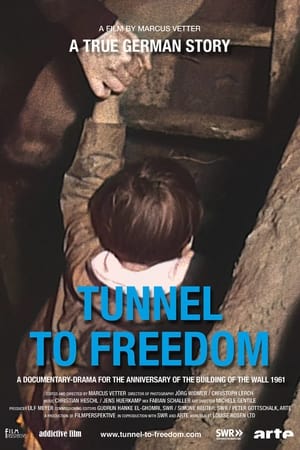
It was the biggest escape in the history of the Berlin Wall: in one historic night of October 1964, 57 East-Berliners try their luck through a tunnel into West Berlin. Just before the last few reach the other side, the East German border guards notice the escape and open fire. Remarkably, all the refugees and their escape agents make it out of the tunnel unscathed, but one border guard is dead: 21-year-old officer Egon Schultz.
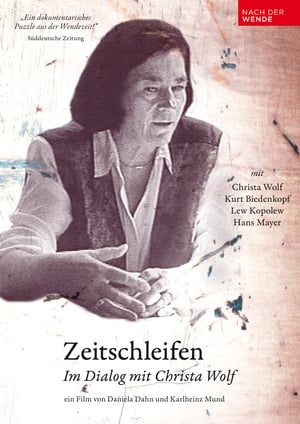
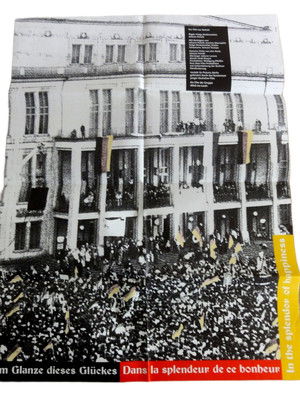
Journalist Daniela Dahn interviews the East-German author Christa Wolf during the German reunification: reflections on history, changing politics, life and work.
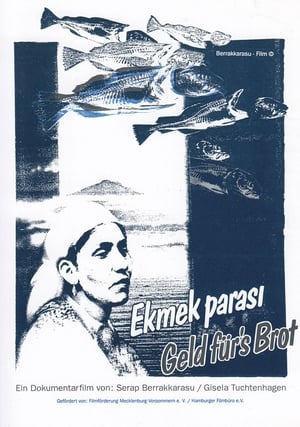
Women from Turkey and Mecklenburg are working together side-by-side at a fish-processing factory in Lübeck. As they work, they share stories about their lives, including their sorrows, griefs, hopes, and dreams, while expressing their longing for home and feelings of being lost in a foreign place.
13 August 1961: the GDR closes the sector borders in Berlin. The city is divided overnight. Escape to the West becomes more dangerous every day. But on September 14, 1962, exactly one year, one month and one day after the Wall was built, a group of 29 people from the GDR managed to escape spectacularly through a 135-meter tunnel to the West. For more than 4 months, students from West Berlin, including 2 Italians, dug this tunnel. When the tunnel builders ran out of money after only a few meters of digging, they came up with the idea of marketing the escape tunnel. They sell the film rights to the story exclusively to NBC, an American television station.
Citizens of East Germany talk about their experiences and feelings in the face of upcoming elections that will lead to reunification with the West. The past is tinged with regret, frustration and anger, while the future is uncertain.
DDR - die entsorgte Republik
Countdown To 1990 : La Réunification de l'Allemagne
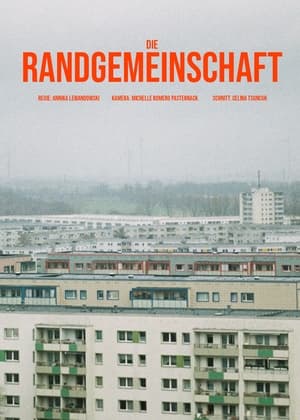
Explration of today’s East German identity, shaped by history, hopes, and upheaval. Through multimedia storytelling, it explores lives between the Elbe and Oder, intergenerational socialization, and self-perception three decades after reunification. Are the new Länder lost to nostalgia and extremism or still salvageable?
Early summer 1990: West German money transporters carrying billions of Deutschmarks roll towards the former GDR. From the inner-German border, the People's Police and the heavily armed National People's Army take over guarding the transports. Over 25 billion Deutschmarks are transferred from West to East within a few weeks. On July 1, 1990, the German-German monetary union takes place. The citizens of the former GDR were to hold the D-Mark in their hands from this point onwards, but a huge amount of work had to be done before this could happen. 441 million banknotes had to be printed and 102 million coins minted. This is because the organizers of the Bundesbank barely had time to prepare for the largest money transport in history. Many contemporary witnesses describe their experiences in the documentary, which gives an insight into the exciting months before monetary union, the consequences of which still have an impact today.
Interview with Jochen Girke, a retired East German Stasi agent, filmed March, 1990 to June, 1991. Questions explore his study of psychology for use as a filmmaker and trainer of interrogators and informers. Segments include conversations with his parents, teacher, former girlfriend and wife.
Wer beherrscht Deutschland? - Was den Osten anders macht.
Erzähle deine Geschichte - Die DDR in 30 Begriffen
In 1989, thirteen GDR scientists and technicians set off from East Berlin to the Georg Forster research station in the Antarctic. During their expedition the Berlin Wall fell on November 9th. Cut off from the images that go around the world, the men can only experience the historical events passively. When they returned in the spring of 1991, their homeland was a foreign country. The documentary reconstructs the thoughts and feelings of the East German researchers on the basis of eyewitness accounts, diary excerpts, letters, film material, grandiose landscape shots from the location of the action and unique photos to make the consequences of the events tens of thousands of kilometers away on the small GDR expedition in the middle of the eternal ice tangible.
Portrait of the spokesman of the student movement and extra-parliamentary opposition Rudi Dutschke, who died on December 24, 1979 from the late effects of an assassination attempt. The film is not limited to the mere biography of the extra-parliamentary politician, but also depicts the political environment as well as the late effects of the student movement. In retrospect, it condenses into a picture of a highly politicized society that had not yet begun its retreat into the private sphere.
Soundtrack der Freiheit
JUNI 53
DDR 1990 - Reise durch ein verschwindendes Land
About a journalist and his cameraman visiting East Germany, former GDR, 25 years later again after their journey which took place in January 1990, just between the Fall of the Wall and the reunification with West Germany, comparing the old pictures with the present of 2015 and meeting former interview partners a second time. An impressive work of time documentary showing seemingly surreal scenes about the changings of cities, industrial locations and lifes in different political and economical systems.
Poker um die Deutsche Einheit - Wurde Russland in der NATO-Frage getäuscht?
Lost Places - Schicksalsorte der deutschen Teilung