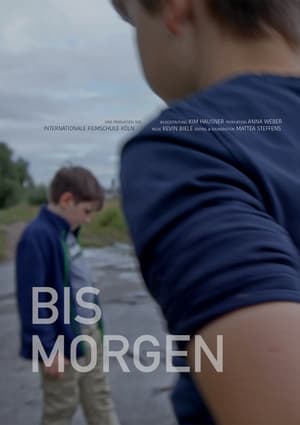
Nick and Michi roam the streets and meadows of their neighbourhood inseparably, but when Michi surprises Nick with unexpected news, they try to suppress it in their own way.
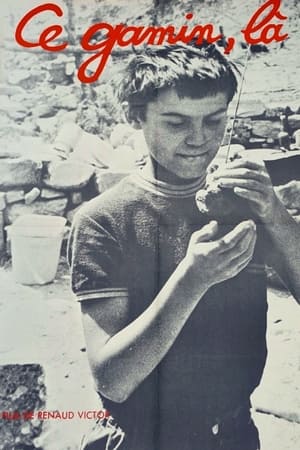
A group of educators led by Fernand Deligny are working to create contact with autistic children in a hamlet of the Cevennes.
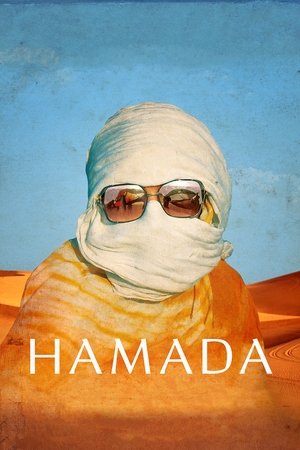
Filled with vitality, humor and unexpected situations, Hamada paints an unusual portrait of a group of young friends living in a refugee camp in the middle of nowhere. Western Sahara is known as “the last colony in Africa” and this conflict is the longest and one of the least known ongoing disputes in the continent, but the Sahrawi people refuse to become invisible.
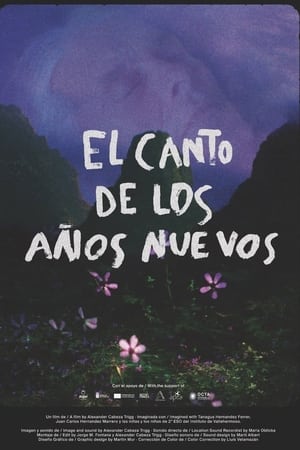
On the island of La Gomera, children imagine stories while they examine archeological remains. An ethno-fictional journey in which past and present coalesce, creating resonances between the volcanic landscape and Silbo, the whistled language of the island.
7-year-old Sasha has always known that she is a girl. Sasha’s family has recently accepted her gender identity, embracing their daughter for who she truly is while working to confront outdated norms and find affirmation in a small community of rural France.
As a young father, watching his daughter go through her life experiences, film director Alexandre Mourot discovered the Montessori approach and decided to set his camera up in a children's house (3 to 6 years of age) in the oldest Montessori school in France. Alexandre was warmly welcomed in a surprisingly calm and peaceful environment, filled with flowers, fruits and Montessori materials. He met happy children, who were free to move about, working alone or in small groups. The teacher remained very discreet. Some children were reading, others were making bread, doing division, laughing or sleeping. The children guided the film director throughout the whole school year, helping him to understand the magic of their autonomy and self-esteem - the seeds of a new society of peace and freedom, which Maria Montessori dedicated her life work to.
Norte
Karan and Rohan, two biracial brothers raised in a marginal environment, are finding ways to get stimulated on a normal summer day. They embark on a trip to buy candies to avoid boredom. This film plays with the sense of boundaries between what is real and what is fiction. It is a film about the love of two brothers and their singular reality in the countryside of Quebec.
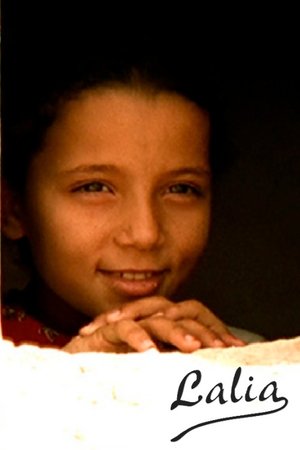
Lalia is a Saharaui girl who lives in a refugee camp in Algiers. She has only heard her grandmother and grandfather talk about her country, about the Sahara, that was taken away by Morroco. She dreams of one day seeing the ocean, seeing her real country. The reality she lives in is different... the uncertainty of the refugee camps, the political unbalance... but she is strong... and she knows that there can be change... she won't stop dreaming, and she won't stop longing..
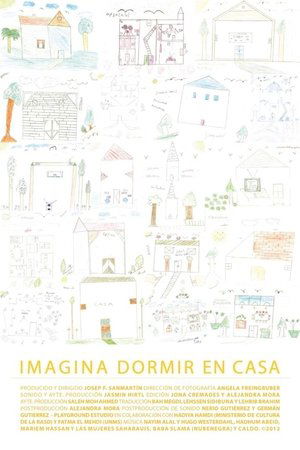
"Imagine sleeping at home" follows the story of several children who guide us to understand the conflict and the problems that they face, but also pay attention of small groups of friends who spontaneously comes to camera to tell what are their concerns. In the documentary we can also find the testimony of the director of a school for disabled children, the story of how a mother had to escape from the occupied territories when the Moroccan police detained for a week her ten years old son, or the analysis of a Sahrawi soldier about the situation of their children.
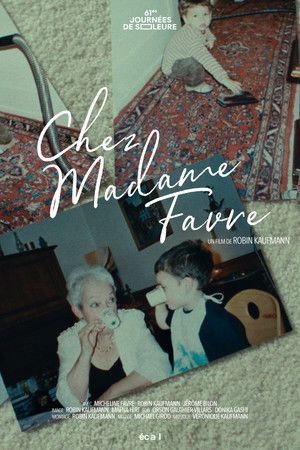
In a nursing home, a young man visits his grandmother. As she constantly repeats that she wants to go home, his grandson visits her now empty apartment, seeking to capture memories of a fading past.
The Runner is a film about endurance. It is the story of a champion long-distance runner whose journey transformed him from an athlete into the symbol of a national liberation movement. Salah Hmatou Ameidan is willing to risk his life, his career, his family and his nationality to run for a country that doesn't exist. He is from Western Sahara, officially Africa's last colony and under Moroccan occupation since 1975.
A first look at Strobus / Banksiana: a musical and visual work supported by two important protagonists of the Quebec forest: the white pine and the jack pine. Duu's second album, first double album : each half is distinguished by its sonic palette, its writing style, and the type of conifer that surrounds it. This short documentary offers an intimate glimpse into the creator's journey through the paths that led him to conceive this personal diptych, where he embraces his duality in this visceral desire to celebrate nature every day.
In late October 2022, a developed city splited into two realities. Inside a sealed compound, children run, shout, and play as if the world is small enough to hold. Outside, the city surfaces through shaky phone fragments—conflict, shouting, pressure, light—then disappears again. Zheng does not explain what happened. It holds the gap between inside and outside until it hurts, asking the viewer to sit with a late arrival of knowledge: how can a city be both ordinary and unbearable at once?
An unnamed passer-by is forced to trace a circular route inside an abandoned tram station, facing loss and time. The broken walls act as a channel, transmitting fragmentary, blurred and analogical memories.
Mi pesadilla fue que me mataba la guerrilla
In an abandoned house, three young adults tried to reminisce about their childhood lives and the community they were once part of. As the storytelling continues, we find remnants of tragedy and trauma from their past.
Having suffered incest from her father from the age of eight to the age of twelve, at forty-five, Beatrice filmed, with two cameras, a long meeting with her mother to try, with the viewer, to understand their story.
The author embarks on a nostalgic process by revisiting childhood memories, reconstructing her mother's old car through images captured by other people.
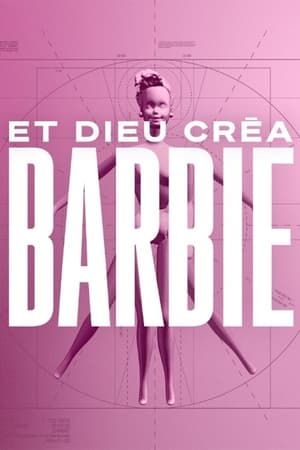
Et Dieu créa Barbie