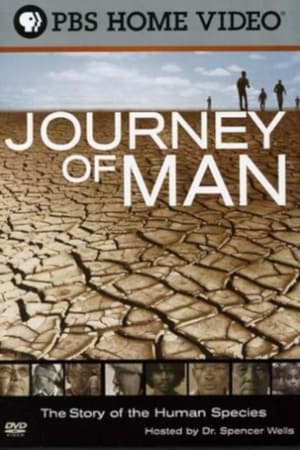
Many geneticists and archaeologists have long surmised that human life began in Africa. Dr. Spencer Wells, one of a group of scientists studying the origin of human life, offers evidence and theories to support such a thesis in this PBS special. He claims that Africa was populated by only a few thousand people that some deserted their homeland in a conquest that has resulted in global domination.
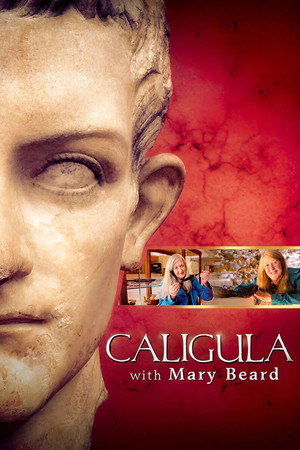
What is true and what is false in the hideous stories spread about the controversial figure of the Roman emperor Gaius Julius Caesar Augustus Germanicus (12-41), nicknamed Caligula? Professor Mary Beard explains what is accurate and what is mythical in the historical accounts that portray him as an unbalanced despot. Was he a sadistic tyrant, as Roman historians have told, or perhaps the truth about him was manipulated because of political interests?
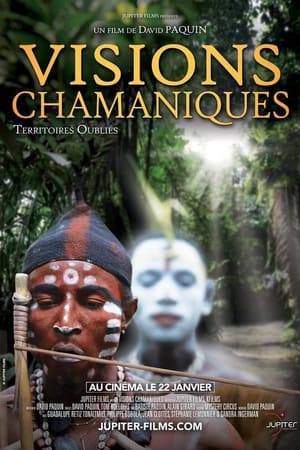
This film is an initiatory journey among the Fangs of Gabon and the Shipibos of Peru. With the sound of traditional instruments like the mogongo (arc in the mouth), the holy harp, and the Icaros, we discover the traditional peoples’ wisdom.
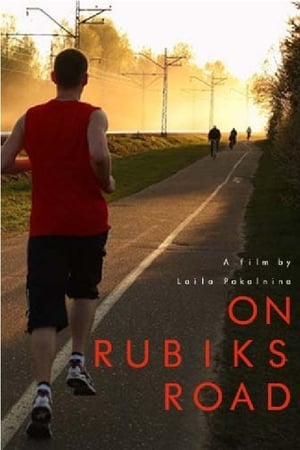
Rubiks’ Road is a bicycle path built in the 1980s and named after Alfreds Rubiks, leader of the Latvian Communist party at the time. One of the most ferocious opposers to Latvia’s independence in the early 1990s and later elected to the European Parliament.
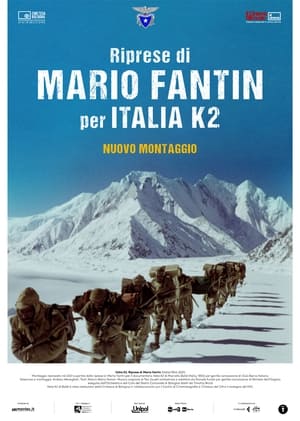
After the successful conquest of Everest in 1953, two Italians reach the summit of K2, the second highest mountain in the world, the next year,after careful preparation and the formation of the team of climbers, scientists, and porters.
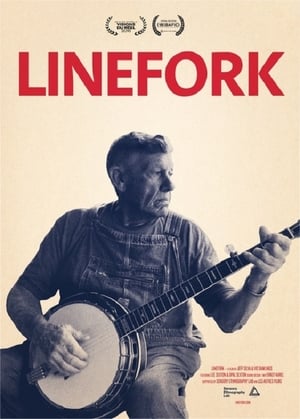
Lee and Opal Sexton live in the mountains of Eastern Kentucky, farming the land where Lee was raised. Lee is a retired coal miner and revered banjo legend, a living link to the deep past of American music. Though now well into his eighties and hampered by age, Lee continues to perform and teach his distinctive 2-finger banjo style to a new generation eager to preserve a vanishing cultural tradition. Linefork offers an immersive view of Lee and Opal's daily rituals and inherent resilience while documenting the raw yet delicate music of a singular musician, linked to the past yet immediately present.
The tombs of the grand lords of Moche civilization - one of Peru's most important pre-Hispanic civilizations -- are in constant danger from grave robbers, but archeologist Walter Alva has managed to find some priceless treasures and recreate the lives of this ancient people of northern Peru.
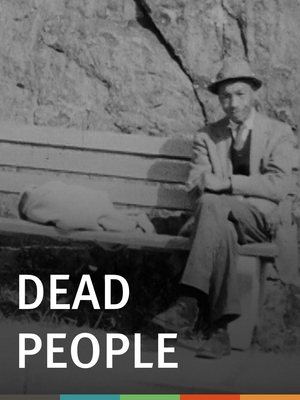
Filmed in 1974 and edited and released in 1983 (and then rereleased by its director in 2005), DEAD PEOPLE purports to document the final years of Frank Butler, a local fixture in the depressed burg of Ellicot City with a particular fondness for drink and tales of the dead. Over hazy 16mm footage two decades later, Deutsch adopted a painfully unsentimental view of his early approach, colored as it was by notions of ethnographic film and an undercurrent of fetishism for a man he considered somehow more "alive" than himself. While it chafes against notions of authenticity in documentary and incisively hints at the complicity of the subject in inventing his own history, DEAD PEOPLE simultaneously oozes nostalgia, transcending its own judgment as a gauzy memorial for the man Deutsch once called a friend.
Short documentary film on the fashionable nightclubs and the trendy pop culture scenes that were famous in London on the late 70's. Released as a support feature to the first Alien (1979) movie.
Two lost souls with incongruent world views meet again and again under strange circumstances, and it will gradually become clear that they are connected by some force that is bigger than they can fathom.
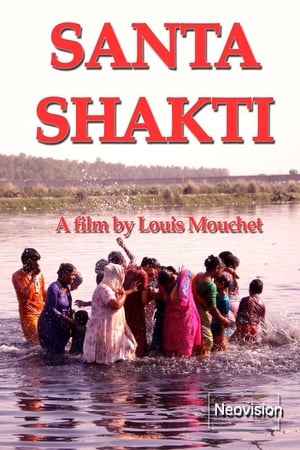
By drawing a parallel between the Indian Durga Puja festival and other forms of celebrating the divine feminine, Santa Shakti reveals the Sacred Power beyond languages and religions.
Desarmados
A short documentary detailing the forging of a katana.
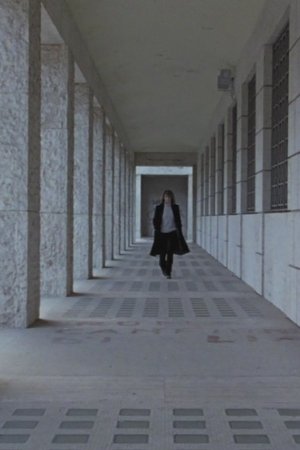
E42 is a cinematic exploration of the area in Rome knows as the EUR, a modernist landscape that was originally designated by Mussolini as the the site of the World Fair of 1942 and as a celebration of the 20 year anniversary of Fascism. Originally designed as a monumental space for public performance and collective acts of solidarity to the Fascist regime, this landscape was in fact never inaugurated. After the war, the 420 acre area was recuperated and today projects a timeless aura of an unfinished and temporary, empty and silent, monumental and imposing as well as an ephemeral landscape.
On June 14, 1977, the eve of the first democratic elections after Franco's regime, Llorenç Soler and his crew go out into the street and ask passers-by which party they are going to vote for.
A la diestra del cielo
Dresdner Filmschätze - Teil 4 | Die 90er bis 2000er Jahre
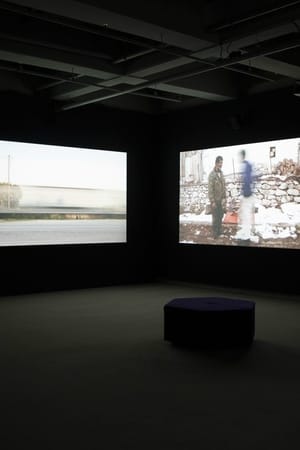
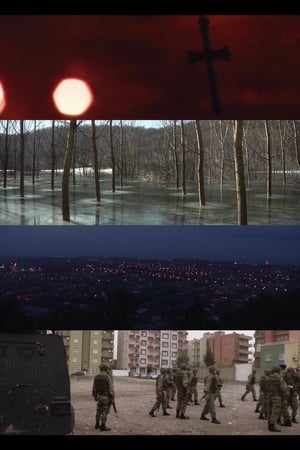
1+8 is a dynamic eight-screen video installation about Turkey and her eight neighbors based on the feature film of the same name directed by Cynthia Madansky and Angelika Brudniak. Each screen features life on both sides of the border, from Armenia, Bulgaria, Georgia, Greece, Iran, Iraq, Nakchivan [Autonomous Republic of Azerbaijan] to Syria.
1+8 is a film about Turkey’s unique position between West and East and her relationship to her eight very distinct and diverse neighbors. 1+8 is filmed close up on border towns of Turkey with Greece, Bulgaria, Georgia, Armenia, Nakhchivan/Azerbaijan, Iran, Iraq, Syria and the Kurds who are scattered amongst the many without a homeland, exploring what connects and separates the people on both sides. The film showcases through intimate portraits, personal accounts and cinematographic tropes, Turkey’s eight borderlands revealing the political and cultural dynamics of life on those frontiers. The contemplation of all eight neighboring countries reveals the complexity and importance of Turkey’s geo-political position between West and East, Europe and Asia, the European Union and the Middle East.
Projektionen der Sehnsucht