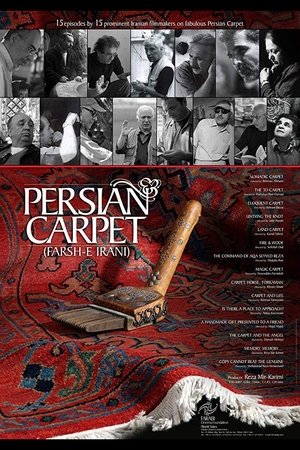
Jafar Panahi's short film, shot with one uninterrupted long take, about siblings trying to sell a carpet in need of money.
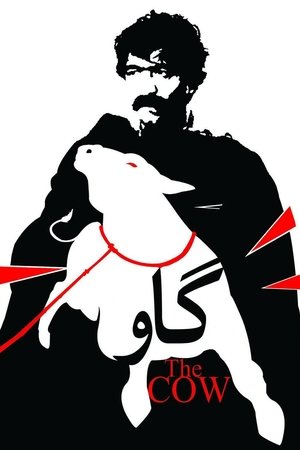
An old villager deeply in love with his cow goes to the capital for a while. While he's there, the cow dies and now the villagers are afraid of his possible reaction to it when he returns.
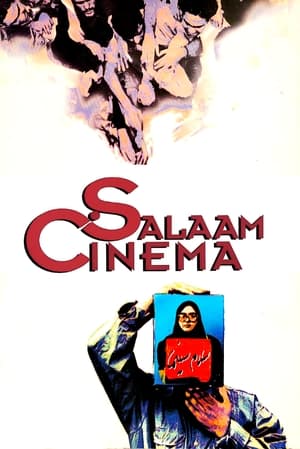
Makhmalbaf puts an advertisement in the papers calling for an open casting for his next movie. However when hundreds of people show up, he decides to make a movie about the casting and the screen tests of the would-be actors.
Moscow, the 90s ... A city without a past and without a future. A city that doesn't forgive mistakes. Showing Moscow bohemia, the criminal business: nightlife, easy money, excitement and confusion form the surface of this life. The main characters of the film are businessman Mike and his friend and partner in smuggling Lev, a psychiatrist Mark and his school friend Irina who became the mistress of a nightclub, her two daughters - a crazy Olga working in the same club as a singer, and Masha - the “Moscow Princess” on the threshold of her thirtieth birthday. Love stories smoothly flow into a crime drama.
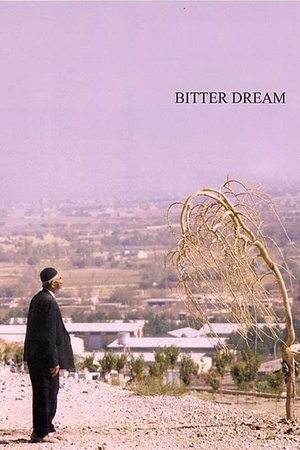
For forty years, Esfandiar has been unconcernedly preparing corpses for the journey to their final resting place. One day, whilst preparing a burial service, he's taken ill. Might he too be mortal?
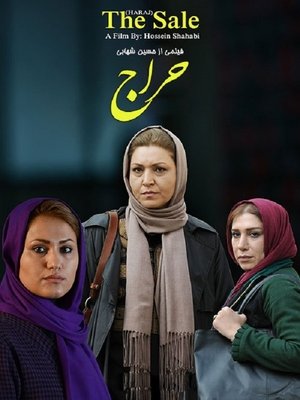
Forough is a middle aged woman whose husband has temporarily married with another woman. Even though that was kept secret from her, but his action is considered legal in Iran. Now the husband is in prison, due to not being able to pay second wife’s “Mehrieh” (the bride’s marriage portion).The second wife intends to receive her Mehrieh by asking the court’s permission to sell his house. Forough, the first wife, in order to not lose her home, intends to sell all she has to pay for her husband’s debt and release him from the jail.
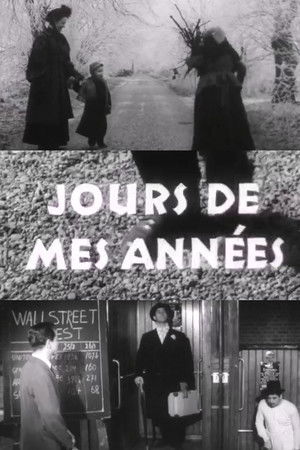
An experimental short film that evokes moments in the life of a man recreated through the magic of memory. Made from documents from various sources, this film is composed of several scenes: the stages of the day and of life between joy and carefree youth, the cruelty of the working world, the horror of war. The final result is put into perspective with the birth of a child, perpetuating the cycle of life.
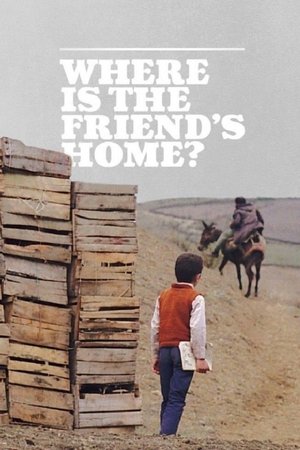
An 8-year-old boy must return his friend's notebook he took by mistake, lest his friend be punished by expulsion from school.
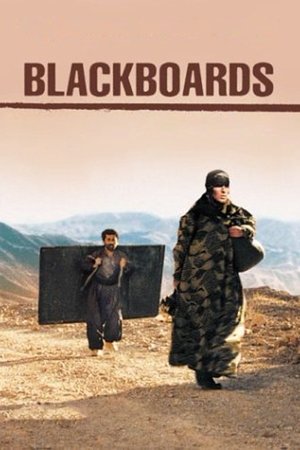
Itinerant Kurdish teachers, carrying blackboards on their backs, look for students in the hills and villages of Iran, near the Iraqi border during the Iran-Iraq war. Said falls in with a group of old men looking for their bombed-out village; he offers to guide them, and takes as his wife Halaleh, the clan's lone woman, a widow with a young son. Reeboir attaches himself to a dozen pre-teen boys weighed down by contraband they carry across the border; they're mules, always on the move. Said and Reeboir try to teach as their potential students keep walking. Danger is close; armed soldiers patrol the skies, the roads, and the border. Is there a role for a teacher? Is there hope?
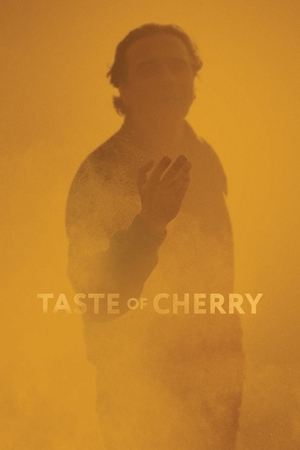
A middle-aged Tehranian man, Mr. Badii is intent on killing himself and seeks someone to bury him after his demise. Driving around the city, the seemingly well-to-do Badii meets with numerous people, including a Muslim student, asking them to take on the job, but initially he has little luck. Eventually, Badii finds a man who is up for the task because he needs the money, but his new associate soon tries to talk him out of committing suicide.
A Sentença
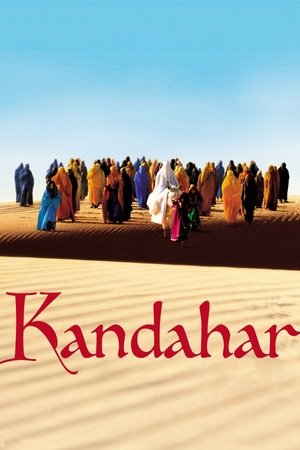
After an Afghanistan-born woman who lives in Canada receives a letter from her suicidal sister, she takes a perilous journey through Afghanistan to try to find her.
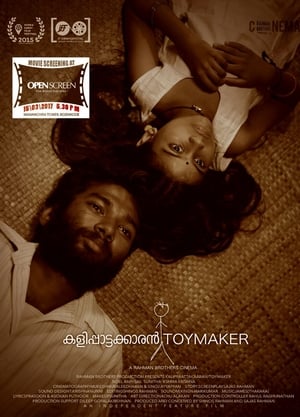
A young toymaker tries to make sense of the impermanence of life that he has been forced to acknowledge through experiences of separation and death.
A teenager decides to shut himself off from the world around him after receiving bad news.
Siavash Shahabi film made in 2011.
Four friends spend a final summer together tangled in a web of sexual obsession, alienation and magic.
Ambrosia is the story of an Iranian-Canadian couple, Ali and Leila, who dream of an exciting future in Vancouver: Ali owns a pizza shop and thinks of expanding and Leila is an up-and-coming clothing designer. However, their situations change dramatically when Ali's shop is affected by bad economy and Leila is hired to work at a fashion design firm.
The first of Peter Tscherkassky's Cinemascope trilogy of short films is a fragmented glimpse of images pulsating with chaotic rhythm as they fight white margins for room in his palette. Mirrored frames being split by white margin and trying to reassemble again like the poles of a magnet, a train approaching station and colliding with itself in white-hot blistering chaos.
A fisherman throws himself into unknown waters, where fish have long gone, wrapped in silent mystery. In this journey without return the landscape sometimes assumes the role of the other and the other soon reveals the reverse or a mirror of him self in the ineluctable solitude of the horizon.
A man and a woman relive moments of their lives transfigured on the landscape of a beach. Past, present and future merge in the cadence of the waters, which come and go revolving memories and old silences. So the characters go through a sort of trail of desire, leading the edge of the abyss of themselves, where all days born and die, the horizon of all passes, all eventides.