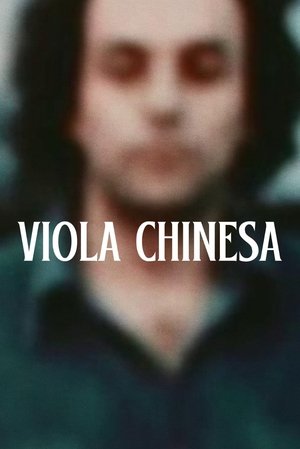
The rare short film presents a curious dialogue between filmmaker Julio Bressane and actor Grande Otelo, where, in a mixture of decorated and improvised text, we discover a little manifesto to the Brazilian experimental cinema. Also called "Belair's last film," Chinese Viola reveals the first partnership between photographer Walter Carvalho and Bressane.
This is the portrait of Cesar, the heir to a tradition of neon lights that ruled in Buenos Aires' marquees and now resists obsolescence.
During the evening, between 15:00 and 17:00 all of Valparaíso's hills appear almost motionless.
With carpenters and fishermen on the coast of Valparaíso, Leonel Vasquez built a boat/sound installation following the almost extinct tradition of the craft wooden boats that still sail these waters. Through on-board wooden speakers, fishermen tell the stories of their livelihoods.
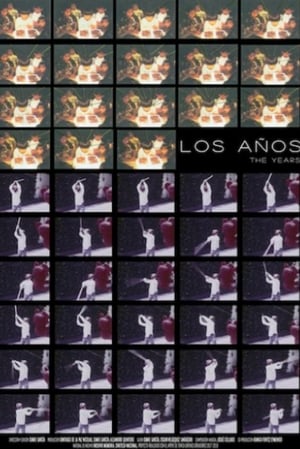
Los Años is a meditation about time, memory and mortality through our representation in images and our lives' rituals. This short highlights our abstract way of understanding time and collective experiences.
A somber journey on the road. A post with three lights. A crowded street. Stashed cables. The city. A grey square. The sun's reflection. The sun. Going back home.
Women, landscapes and manifestations of color meet experimentally with the possibilities of the artisanal copying technique on 16mm.
Starting from frame by frame in-camera editing, the film translates a nursery garden from Chillán into a filmic landscape, with a rhythm and structure coming from a personal relationship with color, light and occurrences that took place near the end of the summer at the Olaxis garden. This is the first part of a work which takes reference from Violeta Parra's poetry, created from flowers, plants and certain places of the Ñuble area.
Engaging themes of love and betrayal, hope, belonging and place, Glad You’re Here documents my nineteen--year journey through building a family life, seeing it suffer the damage of mental illness, grief and separation, and then rebuilding with empathy. A story about an extreme moment of crisis has turned into a documentary that deals not just with the subjective but with the important issue of spousal abuse.
An experimental journey through a year in the life of the director, using his always playing playlist to cross the boundaries of fiction and documentary. Through scenes of both comedy and tragedy, realistic documentary footage and experimental sequences of the director's environment and daily life we get a sometimes estranging image of a young man and also an intriguing insight in his mindset and how this translates to the imagery on screen.
A creative documentary about personal experiences of abuse and of selfhood, of colors and words within the context of our lives.
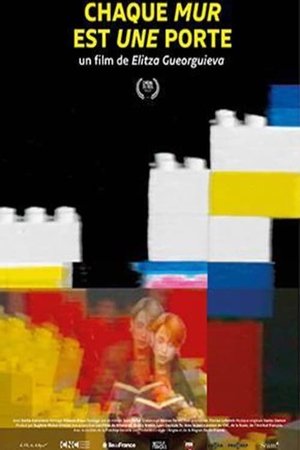
Drawing on VHS tapes of a programme hosted by her mother on Bulgaria’s national television, the filmmaker gives a pop-style and in-depth chronicle of the gentle – even “over-gentle” – 1989 revolution.
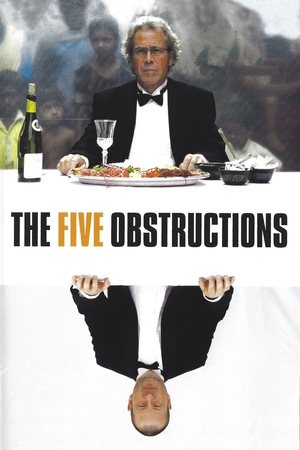
In 1967, experimental filmmaker Jorgen Leth created a striking short film, The Perfect Human, starring a man and women sitting in a box while a narrator poses questions about their relationship and humanity. Years later, Danish director Lars von Trier made a deal with Leth to remake his film five times, each under a different set of circumstances and with von Trier's strictly prescribed rules. As Leth completes each challenge, von Trier creates increasingly further elaborate stipulations.
Mostly dark, rejecting images which are repeated. A stone wall, the chamber of a revolver which is, at first not recognizable, a close-up of a cactus. The duration of the takes emphasises the photographic character of the pictures, simultaneously with a crackling, brutal sound. (Hans Scheugl)
An experimental film about life on earth as a cosmic experiment and the curiosity and naivete of reaching out to alien life.
It started with filming the tree. Something was released in that manner of filming seemingly farthest removed from the procedure of the early films. I first thought a simple ordering of this rich material might be enough, something related to BARN RUSHES [...] But the film only came into its form-life with the idea of linking this deep-rooted and far-outreaching tree material with that film on paranoia that had fascinated me for many years. –L. G.
"With characteristic wit and rigor, experimental filmmaker Larry Gottheim here applies his impressionistic editing style to footage collected during his travels in the Dominican Republic. Gottheim’s formal emphasis on repetition and fissures between sound and image resonates here as a mode of sociological reflection (with the fragmentary montage mirroring elements of ritual while also destabilizing the ethnographic gaze). A largely overlooked antecedent to the contemporary blending of avant-garde and ethnographic filmmaking, MACHETTE GILLETTE… MAMA still poses a potent challenge to documentary convention." - Max Goldberg
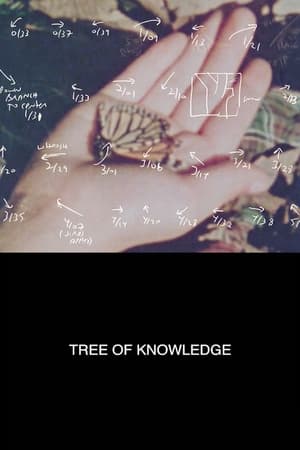
Butterfly as verb. The monarch migration and an unearthed cassette tape correspondence form a storm speaking towards motherhood, loss, expectation, care and legacy. An elegy. An ode to uncertainty. A cry for radical optimism and a reordering of splendor.
In an abandoned shopping center outside of Cleveland, the story of the last remaining grocery store is told through recent google reviews.
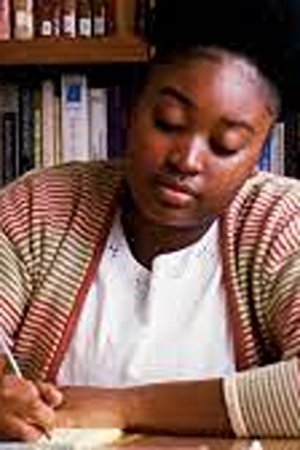
Set in Charlottesville during the early 1990s, "Pride" follows an aspiring writer as she finalises stories for the latest issue of "Pride", a student run newspaper at the University of Virginia. Over a hectic two-day period, she puts the finishing touches on the upcoming issue. Despite the looming deadline, she moves with a calm confidence.