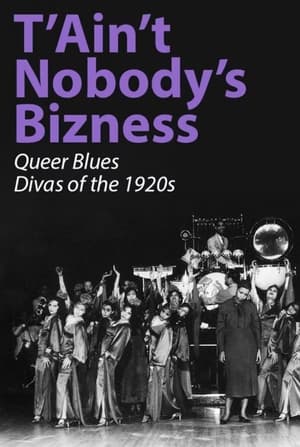
The 1920s saw a revolution in technology, the advent of the recording industry, that created the first class of African-American women to sing their way to fame and fortune. Blues divas such as Bessie Smith, Ma Rainey, and Alberta Hunter created and promoted a working-class vision of blues life that provided an alternative to the Victorian gentility of middle-class manners. In their lives and music, blues women presented themselves as strong, independent women who lived hard lives and were unapologetic about their unconventional choices in clothes, recreational activities, and bed partners. Blues singers disseminated a Black feminism that celebrated emotional resilience and sexual pleasure, no matter the source.
This Emmy-nominated TV special highlights rare performance footage filmed between 1968 and 1969 at various US venues and locations, including the Westbury Music Fair, The Village Gate, and RCA Studios in New York City. Also featured are candid and personal interviews with Nina herself, revealing her unique views on music and life -- all expressed with her trademark intensity.
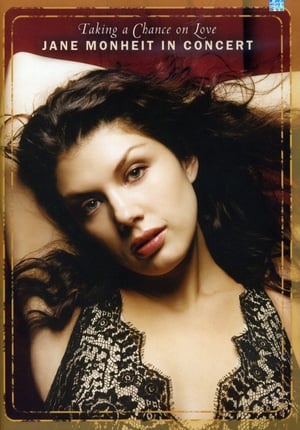
Acclaimed jazz vocalist Jane Monheit -- an artist whose voice is often compared to that of Diana Krall and Ella Fitzgerald -- delivers a heartfelt set in this memorable 2004 performance filmed live at the Brecon International Jazz Festival in Wales. The evening's mix of standards includes "In the Still of the Night," "Embraceable You," "Bill," "Too Late Now," "Honeysuckle Rose" and "I Should Care."
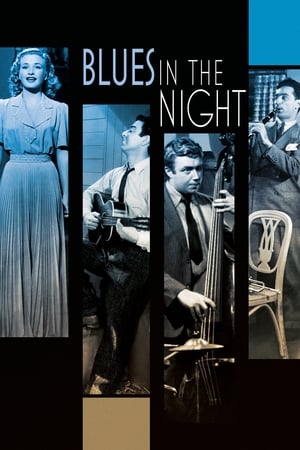
A struggling band find themselves attached to a fugitive and drawn into a series of old feuds and love affairs, as they try to stay together and find musical success.
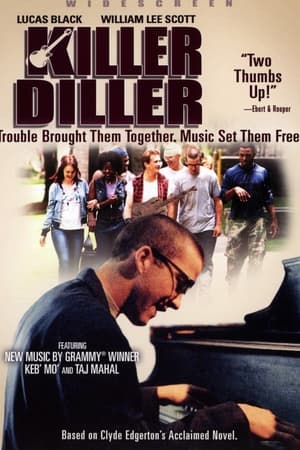
A guitar playing car thief meets an autistic savant piano player, and together they transform a group of reluctant halfway house convicts into The Killer Diller Blues Band.
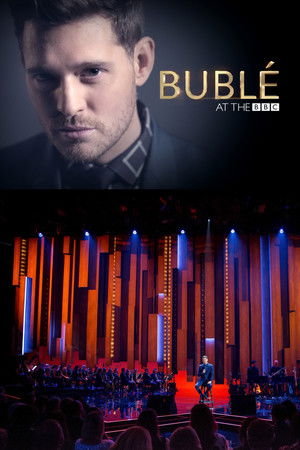
Claudia Winkleman meets Michael Buble in this entertainment spectacular. Michael performs classic tracks including Cry Me a River and Feeling Good alongside songs from his brand new album, including Nobody but Me. Michael also goes undercover as a sales assistant at a London department store to surprise a few unsuspecting fans.
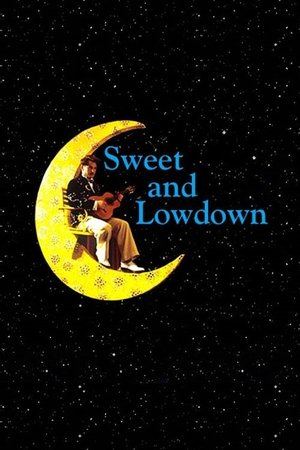
In the 1930s, jazz guitarist Emmet Ray idolizes Django Reinhardt, faces gangsters and falls in love with a mute woman.
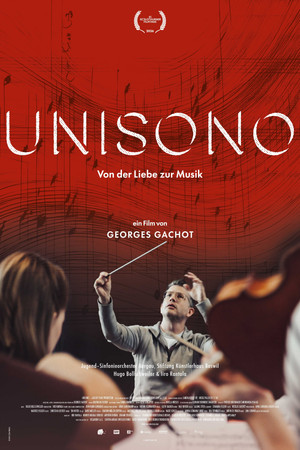
When young musicians come together to play classical music, they send out a strong signal to our today’s world. The film follows talented young Swiss musicians as they work, search for inspiration, but also expose their thought how to play nowadays the “old” Classical music.
A documentary about the jazz standard and it's roots in Jewish and African-American culture/
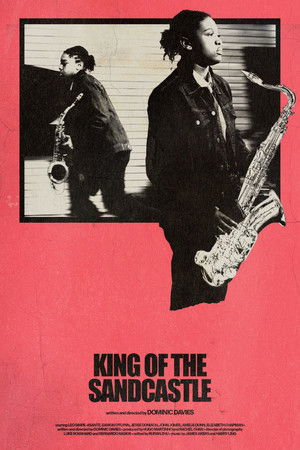
A control-obsessed saxophonist must embrace uncertainty when he learns that a career-defining audition will be assessed on his ability to improvise.
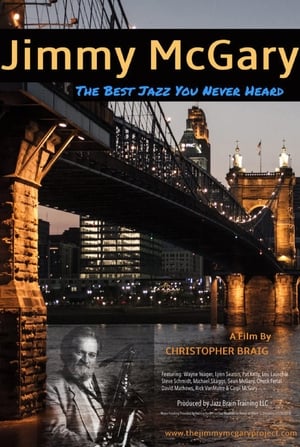
Tenor saxophonist Jimmy McGary was a major presence in the Cincinnati music scene from the 1950s until his death in the early ’90s. With music rooted in Bebop with a progressive slant, the Jazz legend was a session player for King Records and released his first album as a bandleader — The First Time (with a quartet that included pianist Pat Kelly) — in 1979. McGary’s spirit and legacy have lived on well after his passing and well beyond Cincinnati, as evidenced in this new documentary film.
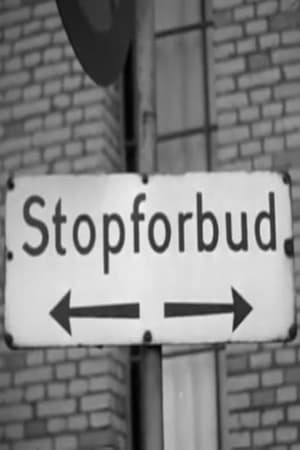
Stop for Bud is Jørgen Leth's first film and the first in his long collaboration with Ole John. […] they wanted to "blow up cinematic conventions and invent cinematic language from scratch". The jazz pianist Bud Powell moves around Copenhagen -- through King's Garden, along the quay at Kalkbrænderihavnen, across a waste dump. […] Bud is alone, accompanied only by his music. […] Image and sound are two different things -- that's Leth's and John's principle. Dexter Gordon, the narrator, tells stories about Powell's famous left hand. In an obituary for Powell, dated 3 August 1966, Leth wrote: "He quite willingly, or better still, unresistingly, mechanically, let himself be directed. The film attempts to depict his strange duality about his surroundings. His touch on the keys was like he was burning his fingers -- that's what it looked like, and that's how it sounded. But outside his playing, and often right in the middle of it, too, he was simply gone, not there."
The film follows the quartet from collaborative development of new music to a live performance at New York’s 55 Bar.
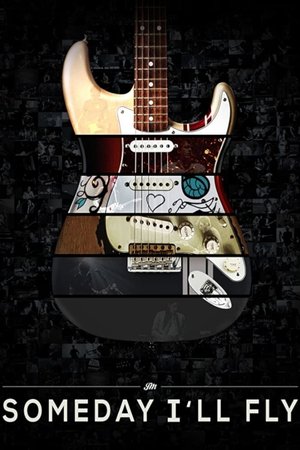
John Mayer: Someday I'll Fly chronicles the musical evolution of one of the most influential solo artists of his generation. Featuring rare demos, interviews and live performances; it is told in it's entirety from Mayer's perspective. Centered mostly on his career and professional accomplishments, Someday I'll Fly strips away the typical gossip surrounding Mayer to provide an intimate look at the life and career of a lauded musician.
Célébrez 50 années de blues avec le Roi du Blues qui interprète ses meilleures succès, dont une poignée avec son invité spécial Jeff Beck à l'occasion de son 78ème anniversaire. Let the good times roll - Sweet little angel - Bad case of love - Night life - Neighborhood affair - Exactly like you - Guess who - The thrill is gone - Rock me baby (with Jeff Beck) - Key to the highway (with Jeff Beck) - When love comes to town - Caldonia - I'll survive - Meeting the pope - Paying the cost to be the boss
High school student Dai Miyamoto has his life is turned upside down the day he discovers jazz. Picking up a saxophone and leaving his sleepy hometown for the bustling nightclubs of Tokyo, Dai will find that the life of a professional musician isn’t for the faint of heart, as he must confront what it truly means to be great.
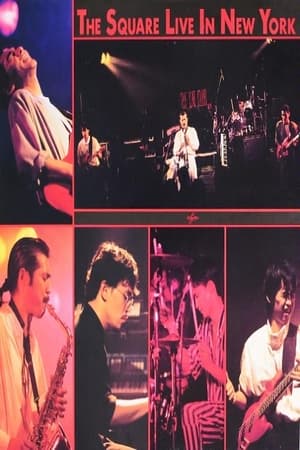
The Square Live at the Cat Club 1988
Pianist Harry Connick, Jr. and saxophonist Branford Marsalis reunite in a magical live performance. Filmed at the 2005 Ottawa Jazz Festival in Canada on June 24, 2005, the pair reprise original music from their duo recording Occasion, while also including Connick’s "Light the Way" and the standard "Chattanooga Choo Choo."
The Blind Boys of Alabama - Live in New Orleans
Amid the frenetic pace of New York City, a group of young musicians confronts the paradox of pursuing a professional career in the world of jazz while struggling for economic survival. Their experience highlights how, at times, artistic life and financial stability appear to follow irreconcilable paths.