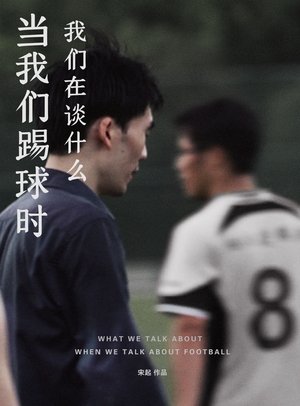
These are conversations I had with four football partners respectively on the way to the football field,on the way back from the football field,on the way to class,on the way to the bar. The content revolves around freedom,love, meanings of life and so on, which is mainly about their views on the life situation of themselves.
Following the mother of martyrs Pro-Ukraine, Qingwen who missed her lost son Guo Zhenggao and accuse the brutal of the war that takes up so many life.
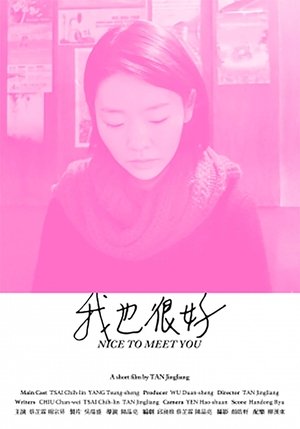
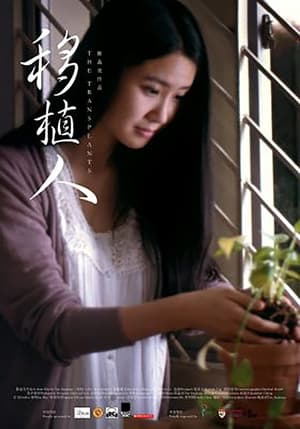
Graduate student Yi-wen gets on the wrong train and meets a former classmate from her past, Wei-chiang, who is now a university lecturer. The two alight together at the same station when they both find themselves having boarded the metro headed for the wrong direction. The two end up going to dinner and bumble about in awkward, fair-weather catching up when they both realise something about themselves that they have never openly admitted over the years.
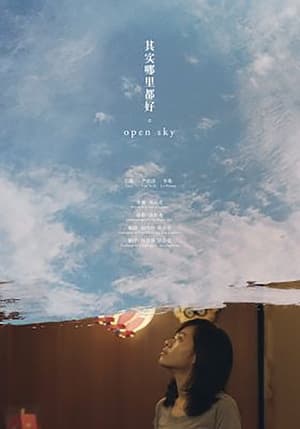
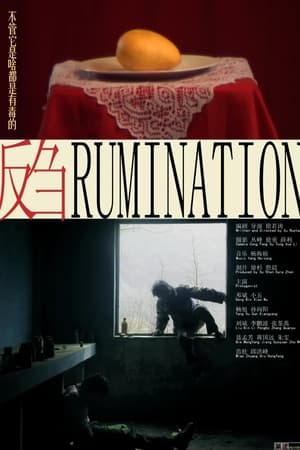
Two friends reconnect at their childhood haunts in the heartlands. As the night lengthens, their conversations draw out their sense of entrapment within the city, and how far removed their present selves have become from fleeting childhood aspirations.
A young Chinese couple struggles to adapt to their new home and grows increasingly estranged from one another and from their surroundings.
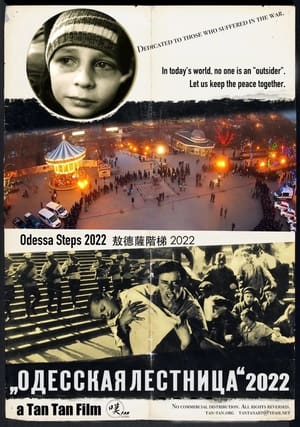
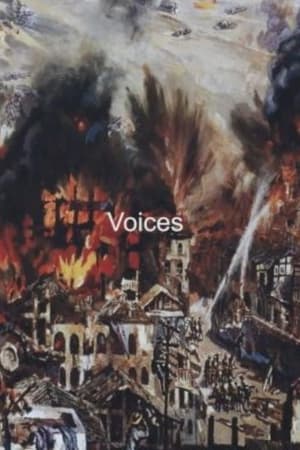
This film cross-cut the "Odessa Steps" chapter from the famous war movie "Battleship Potemkin" (1925) and the actual footage of the Russo-Ukrainian conflict in 2022. It uses a 21st-century "Montage d'Attraction" to explore The circle of history, the contradictions of civilization, and the crisis of life.
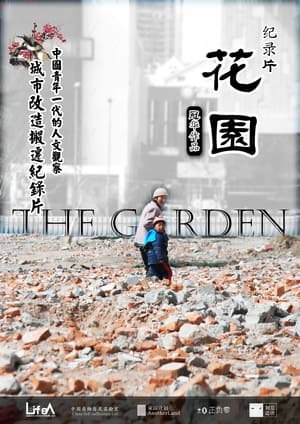
The documentary "The Garden" focuses on the "old city renovation" project of BaDaHu Residential area in Qingdao. After the film was released online, the renovation project of this residential area became the only illegal demolition activity that was stopped in China in 2010. A special report by China Central Television revealed that this project was demolished and built without government approval by impostor, fictitious official letter.
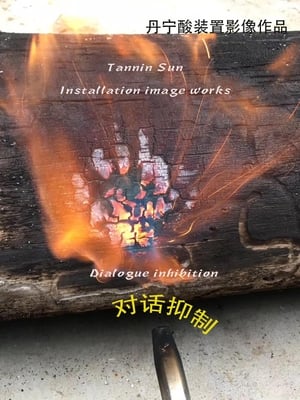
Dialogue Inhibition" is a video installation by Dan Ningsuan. The wood that I carbonized, with its texture under the flame, is forced to reveal the veins of its life and then turns fragile. When she says "listen to me, listen to me", it is a moment of vulnerability, a moment of struggle or game, a moment of passively generated dialogue.
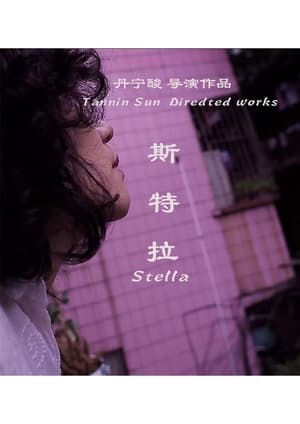
What does marriage, love, intimacy mean? What should they be? Stella met his long lost lover by chance. He lived in a marriage maintained by lies and interests. Stella began to try to explore the possibility of a promising relationship with him. She questioned marriage and most hopeless relationships, but she was frustrated again and again in the process. Cast
An exploration of the Cultural Revolution that depicts both its chaotic later years – through the story of a squad of Red Army guards running amok in the countryside – and its continuing legacy in today’s China.
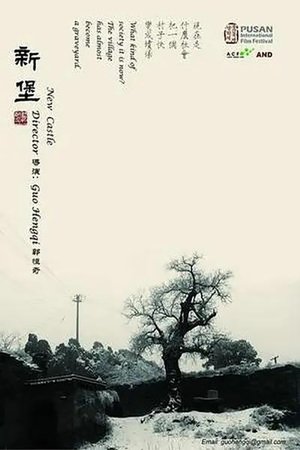
New Castle is a remote rural village where houses and mountains have been distorted due to excessive mining. Under the "New Village" campaign, all the villagers will be moved into the nearly completed Luxury Buildings. The documentary depicts the life of two groups of people, miners and villagers. The miners who are from all over the country, lost their jobs because of the Olympic Games in Beijing - the mine was shut down to make the air less polluted. The villagers had no better luck. Granny Fan lost two sons and two grandsons in a mining accident. Old Han and Old Wang are still farming. Some youngsters are gambling in the house of Han Bin, who was crippled in another mining accident. In the film, you can also see the village election, the service of local Christians, and people worshipping for a better year to come.
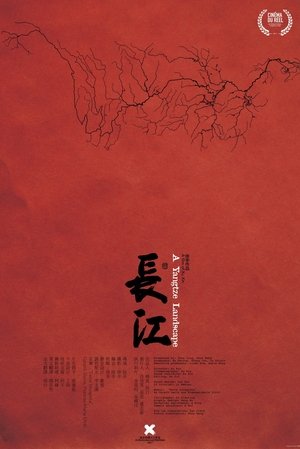
A Yangtze Landscape utilizes a non-narrative style, setting off from the Yangtze's marine port Shanghai, filming all the way to the Yangtze River's source, Qinghai/Tibet - filming a total distance of thousands of kilometers. Experimental music and noise recorded live on scene are used in post-production, painstakingly paired with relatively independent visuals, creating a magically realistic atmosphere contrasted with people seeming to be 'decorative figures' right out of traditional Chinese landscape scrolls.
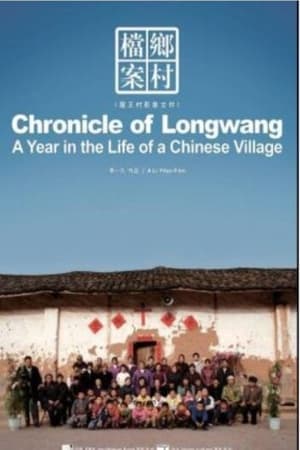
Unusually popular religions and extreme secular beliefs, unconstrained power and no authoritarian society, people work hard on the land and live thrifty but do not believe in the meaning of life at all. This is Longwang Village, an empty old farming society, the most essential reality of an ordinary western village. The film does not have a perpetual plot. The images are presented with the changing of the four seasons. There is no great joy or great sadness. Everything is recorded, and no results are produced. Strictly speaking, this is actually just a rural video file, a running account of ordinary western villages without all rhetoric.
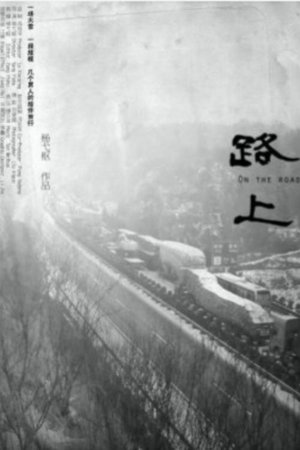
Only a few days before the Spring Festival of 2008, several truck drivers set off from Nantong, Jiangsu Province, to Guizhou province to deliver goods. But what they didn't expect was that they ran into a big snowstorm not long after their departure. What would these drivers do after they got caught up in a snowstorm and coudn't do nothing about it but wait? How would they react to this unexpected halt? And what would happen to this convoy?
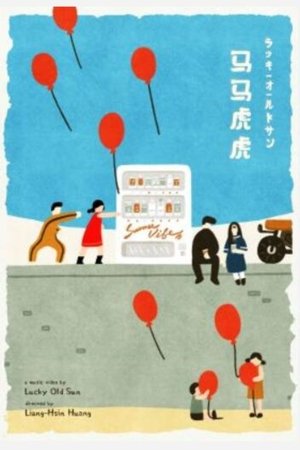
A Music Video made for Lucky Old Sun’s song ‘马马虎虎‘ (Ma Ma Hu Hu) from their new album ‘‘うすらい“. A group of young girls and boys having their summer fantasy with a few daydreams, romance and kungfu actions!
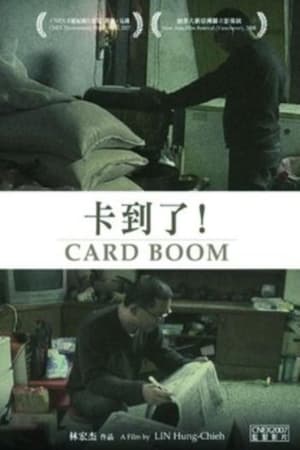
Cheng Sanhe, the first "Kanu" who successfully filed for bankruptcy in Taiwan, went from being inexplicably indebted at the beginning to realizing that he had already owed millions of debts. The bank's collection and the finance company used threats and intimidation to collect debts. Sanhe has since fallen into the hell of "using cards to raise cards". Taiwan’s first "card god" Yang Huiru, who successfully profited from banks with bonus points, used the loopholes in bank bonuses to successfully connect relatives and friends to purchase tickets or shopping station goods by swiping cards, and then use online auctions to earn the difference. Earning millions in the bank, the bank stopped using credit cards. Yang Huiru, who has also experienced personal pain, persuaded the card slaves to face reality: "Hurry up and cut off the card! Because the interest is too heavy, don’t think about borrowing another cash card to pay off the card debt. It’s getting deeper and deeper."
Interview with three victims of the Chongqing bombing.
This is a film about the unison between the four seasons of life and the four seasons of the year, intertwined with the geospatial and temporal dimensions of a small town named Tongchuan situated on the northwest of the Loess Plateau.
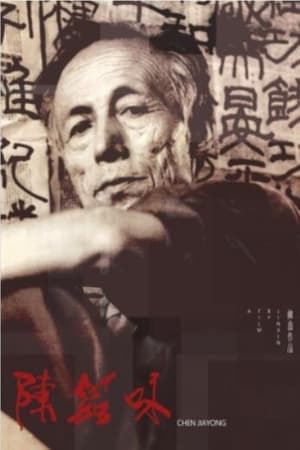
An individual's life experience is always a reflection and epitome of the times. Through the environment, literature, oral narration, calligraphy and painting works, this film faithfully records the upbringing background, family circumstances and life of the painter Chen Jiyong. His life experience and mind-watching are an ordinary case of countless intellectuals who have disappeared in the dust of time. At the same time, he has become a sample of images and life statues about this period of history.
The film records the emotions and destinies of seven single women. Whether at a loss, confused, waiting in hope, disappointed, helpless, compromised, independent or defiant, they are closely bound up to this agitated and chaotic era. Through their different experiences they tell us about the failed marriages of middle-aged women, about life being single, and about a group of men who have not yet showed up but who appear vivid from a female perspective.