Milan Rúfus
A loose interpretation of the poem of the same name by Dutch poet M. Vasalis, "Time" follows a grieving man who is plagued by a strange and prophetic dream.
When it's sunset in Purgatory and dawn on the Ganges it's noon on the Irish Sea. Filmed on Killiney Hill outside Dublin with John Manning remembering Samuel Beckett. The text echoes the Purgatory.
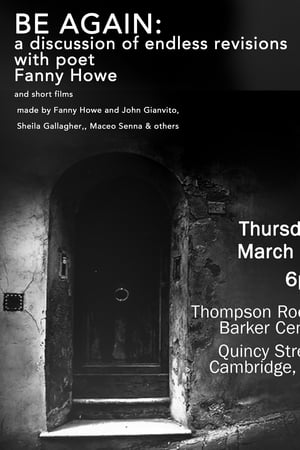
A video collaboration by writer Fanny Howe and artist Maceo Senna.
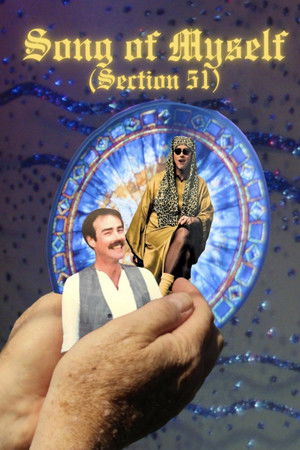
In Song of Myself (Section 51) we meet Thomas Michael Smith- a retired social worker, sign language interpreter, openly gay deacon in the Catholic church, and part time drag queen. Over a tour of his space, he shares what life containing multitudes looks like for him.
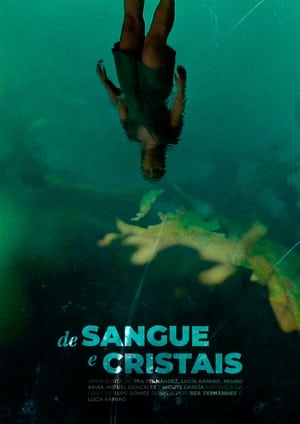
De sangue e cristais
A creation story in epic poem format that traces our origins from the big bang to now, using science, poetry, storytelling, visual art, music, 'oli [chant], and dancing.
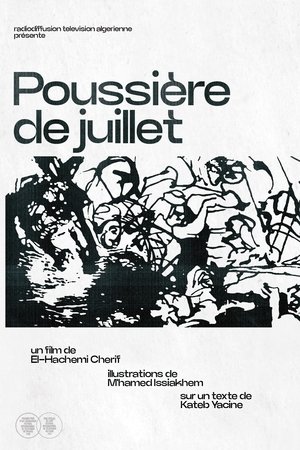
“Poussières de Juillet”, produced in 1967 by Hachemi El-Chérif, is taken from a poem by Kateb Yacine. "We made a film on the return of the ashes of Emir Abdelkader, to Algeria. It was the opportunity to make a film on the ancestors with M'hamed Issiakhem. He designed glass plates on the basis of my texts. Then we had actors collaborate. It was a film which cost us a total of 300 dinars, proof that we could do work for television without too much money. We won two first international prizes at the Belgrade festival. We left the original of the film with the Egyptians in Alexandria and they lost it. We kept a copy but over time I wonder what happened to it, because there is no not even had a screening, they say it still exists, but I don't know in what state." Kateb Yacine, July 28, 1986, interview with Arlette Casas.
Je suis une cigarette
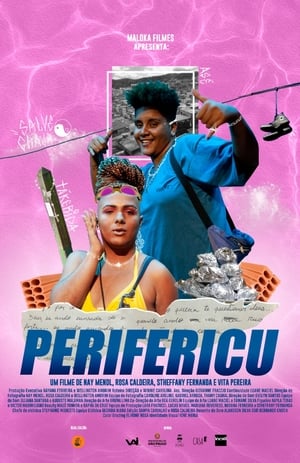
Luz and Denise grow up in the midst of the adversities of being LGBT in the extreme south of the city of São Paulo. Between Vogue and poetry, from church to city access. The dreams and uncertainties of youth flood their existences.
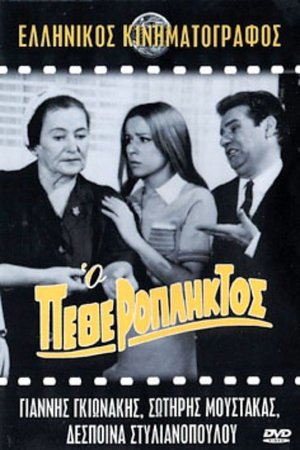
Xristos is married to the rich Rena. In fact the rich is his mother-in-law, who has big business abroad. In Greece the mother-in-law gives the hotel's managment to Xristos but also loads to him all the work. Desperate, he decides to slam the yoke and kill her ...
De la rivière à la mer
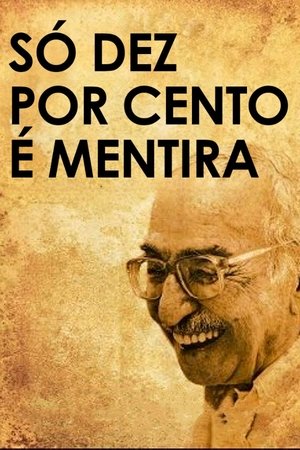
The life and literature of Mato Grosso do Sul poet Manoel de Barros. Alternating sequences of interviews with the poet, verses from his poetry, and statements of connoisseurs of his literature, the film portrays a revealing panel of the author's language. Manoel de Barros, age 91, with some 20 books published, lives in Campo Grande. Acknowledged, the winner of several literary prizes, he is the Brazilian writer who accounts for the greatest sale in poetry in Brazil.
Weltende
Observing as the World Burns: Poems is an evocative, introspective short film that transforms lines of verse into raw visual poetry—confronting the dual forces of personal introspection and outward chaos. Anchored by cinematic performances, layered voice-over, and an emotive soundscape, the film embodies the tension between witnessing life’s unraveling and finding meaning within it. Rather than dramatizing action, this film immerses the viewer in the experience of attention—the act of watching, contemplating, and articulating what it means to be alive. At the same time, everything feels like it’s burning. It is both a cinematic poem and a visual diary—an invitation to witness, feel, and reflect alongside the narrator.
Video-essay about poet Ana Enriqueta Terán.
A short video adaptation of the poem "River: Morning" by Yuyutsu Ram Dass Sharma. Part of the Visible Poetry Project.
A video adaptation of Shannon Sankey's poem Infusions. Readings of the poem are combined with old commercials and home video-styled clips depicting consumer culture. Part of the Visible Poetry Project.
A short film adaptation of the titular poem by Melissa Lozada-Oliva.
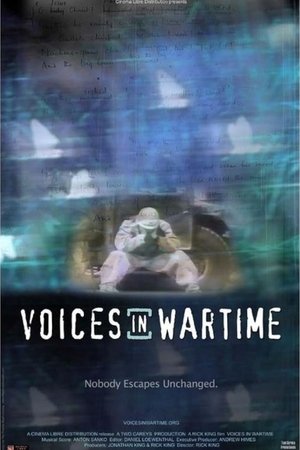
Voices in Wartime is a 2004 documentary that explores the human experience of war through poetry. Combining interviews with soldiers, journalists, and historians, it reveals how war affects individuals and societies across time and place. The film features poets from around the world – from Homer and Wilfred Owen to Shoda Shinoe and modern writers in Iraq and Nigeria – showing how poetry expresses the pain, trauma, and truth of conflict. By linking verse with real-life accounts, Voices in Wartime highlights how poetry helps us understand the emotional and moral impact of war.