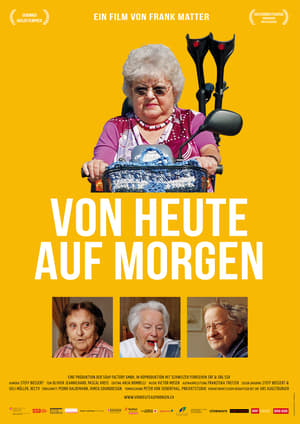
A love letter to grannies. Aina is an 88-year old retiree. Yes, health issues lay at the core of her life, but her view on life, however, is full of understanding, ease and humour. Five different phrases used by her daily reflect her personality and constitute the structure of the film.
Examines the history and legacy of the photo Guerrillero Heroico taken by famous Cuban photographer Alberto Díaz Gutiérrez. This image has thrived for the decades since Che Guevara's death and has evolved into an iconic image, which represents a multitude of ideals. The documentary film explores the story of how the photo came to be, its adoption of multiple interpretations and meanings, as well as the commercialization of the image of Ernesto "Che" Guevara.
A poetic exploration of the multi-generational affects of Canada's Indian Residential School system, based on the personal trials of Aboriginal playwright Yvette Nolan.
Soy
A documentary about the legendary Japanese filmmaker.
Equal parts punk and psychedelia, the Flaming Lips emerged from Oklahoma City as one of the most bracing bands of the late 1980s. The Fearless Freaks documents their rise from Butthole Surfers-imitating noisemakers to grand poobahs of orchestral pop masterpieces. Filmmaker Bradley Beesely had the good fortune of living in the same neighborhood as lead Lip Wayne Coyne, who quickly enlisted his buddy to document his band's many concerts and assorted exploits. The early footage is a riot, with tragic hair styles on proud display as the boys attempt to cover up their lack of natural talent with sheer volume. During one show, they even have a friend bring a motorcycle on stage, which is then miked for sound and revved throughout the performance, clearing the club with toxic levels of carbon monoxide. Great punk rock stuff. Interspersed among the live bits are interviews with the band's family and friends, revealing the often tragic circumstances of their childhoods and early career.
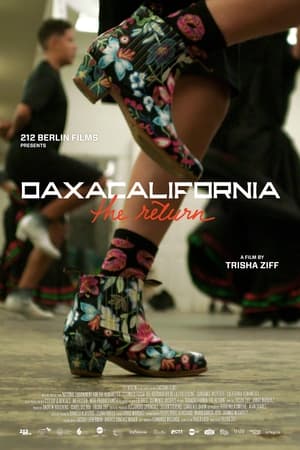
Migrant families experience violence, but they also keep beautiful memories when they arrive in new lands. Fantastic and intimate stories, recalled from childhood, travel across time and space, magically intermingling with the help of the four elements and breaking the boundaries of cinema.
An intimate, behind-the-scenes look at how an anonymous chef became a world-renowned cultural icon. This unflinching look at Anthony Bourdain reverberates with his presence, in his own voice and in the way he indelibly impacted the world around him.
The bleached palette and home-movie aesthetics of Super 8 footage provide the image track for this testimonial about an illegal abortion in Mexico City in the 1960s, delivered in voiceover by the filmmaker’s mother. In its account of this intimate and disorienting memory, Lesser Choices summons a time of profound uncertainty—a moment from an era without rights—and offers a warning to the present.
Echando Raíces
The film recounts the incredible research conducted by François Cartault, a pediatrician and geneticist on the island of Réunion. Conducted like a police investigation over more than 20 years, his research, both medical and historical, takes us on a journey through the disease of moon children, deprived of sunlight, and on the trail of slavery in Africa. The film shows how genetics is also an astonishing trace of history.
Four men finally break their silence about the sexual abuse they suffered as children. No violins, no monsters—just men standing up to shame and oblivion. The film explores what it costs to speak out, rebuild oneself, and regain control. A cry against collective amnesia and the myth of unbreakable masculinity.
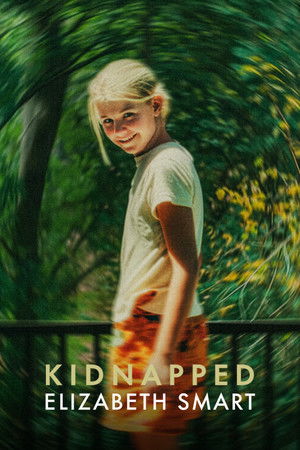
Elizabeth Smart's harrowing abduction at 14 from her family's Utah home unfolds through her own words and never-before-seen material in this documentary.
La reserva del silencio
experimental short film
Three children living in a displacement camp in northern Uganda compete in their country's national music and dance festival.
In 2022, when the economic crisis in her native country was at its peak, she decided to visit her family there. She turned her short trip into a collage-like diary in which she reflects on her relationship with her homeland, which is in a state of protracted decay. The film is composed of spontaneous snapshots capturing the author's stay, interspersed with inserted captions serving as personal, often poetically formulated comments and observations. As a result, the film does not hide its strongly subjective perspective, but at the same time builds on it to make an important statement that shows the transformation of Lebanese society in everyday details such as the appearance of the city itself or in the intimate sphere of the author's family life.
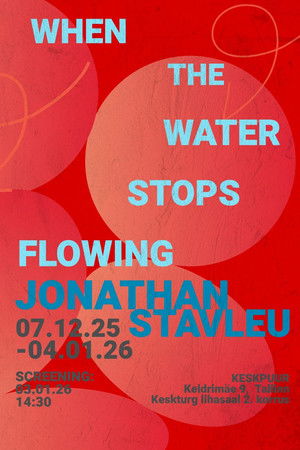
Jonathan Stavleu explores, in a stream-of-consciousness video essay, the relationship people have with water and what happens when access to it is taken away. For this work, he examines anecdotal histories he has heard from Estonians, as well as stories from his own family history in the Netherlands, weaving them together into a journal-like narrative.
The story of three Turkish men. They all grew up in Switzerland and all got deported after various criminal offenses.
Stone Street documents the life and experiences of a Trinidadian diaspora family and their enduring connection to the long standing family home in Port of Spain. Through the intersecting journeys of this extended and extensive family, the filmmaker explores themes of home, belonging and identity in a life defined by the fragmentary nature of a migratory Caribbean culture. This experimental documentary combines a lyrical first person voice with a family archive of home made audio visual artifacts, interviews and events. As the documentary explores the fragmentary nature of Caribbean identity, it simultaneously celebrates the fragments of domestic memorializing found in home movies, videos and photographs. Stone Street uses these various forms to evoke the experience of a complex and diverse Caribbean and Caribbean diaspora identity.