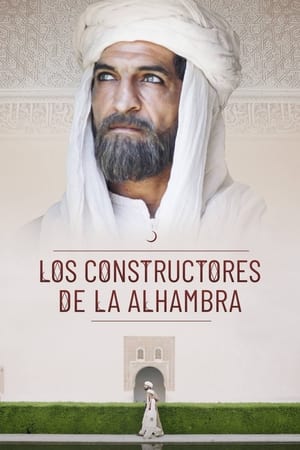
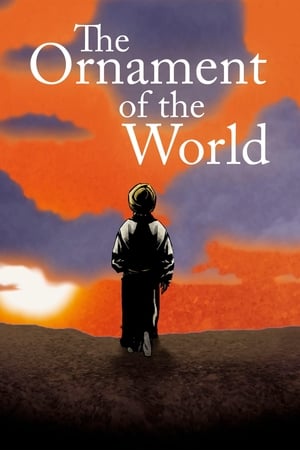
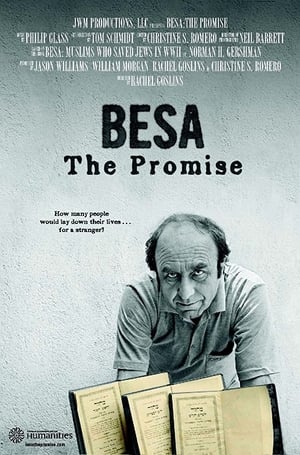
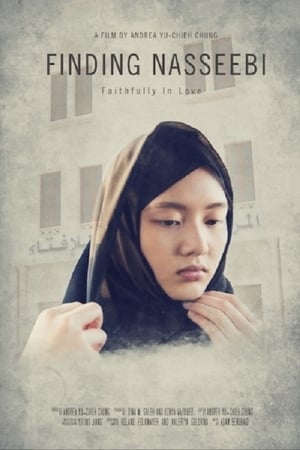
Filmed in Cordoba, Granada, Seville, and Toledo, this documentary retraces the 800-year period in medieval Spain when Muslims, Christians, and Jews forged a common cultural identity that frequently transcended their religious differences, revealing what made this rare and fruitful collaboration possible, and what ultimately tore it apart.
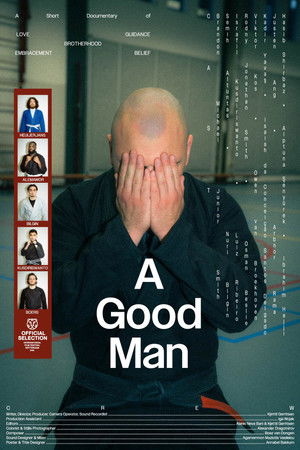
I followed the everyday lives of Ali, Kais, Ertan and Alban with my camera for over two years. The time was characterized by disappointments, conflicts and also great successes. It all began with a visit to the "Klingelpütz" youth center in the middle of Cologne. Young migrants have been meeting here for many years.
Muslim boxer, Bianca 'Bam Bam' Elmir, aims to be the first Australian to win a World Amateur Boxing Championship.
This short 19-minute documentary is an intimate and moving exploration of the profound and far-reaching impact of surveillance on Muslim American individuals and communities. Premiering at the 2017 Tribeca Film Festival, WATCHED is told through the personal experience of two women, both coming of age in New York. The film charts the devastating toll of surveillance and reveals the scars it leaves behind.
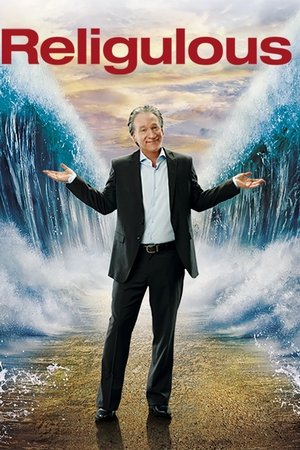
Commentator-comic Bill Maher plays devil's advocate with religion as he talks to believers about their faith. Traveling around the world, Maher examines the tenets of Christianity, Judaism and Islam and raises questions about homosexuality, proof of Christ's existence, Jewish Sabbath laws, violent Muslim extremists.
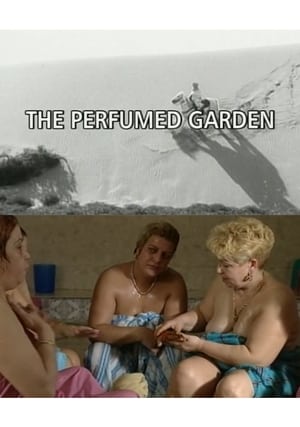
Fourth film in the Mafrouza series. Two events mark the early winter in Mafrouza: the birth of a boy and a young woman's engagement. Within their homes, the intimate and the holy, cries, whispers and rituals: individuals' destinies are taking shape. Amidst the familial agitation, each finds their own way to live. Through their actions, but also through what they say, summoning the imaginary to reflect on reality, make it livable, and speaking of life, death and gender roles.
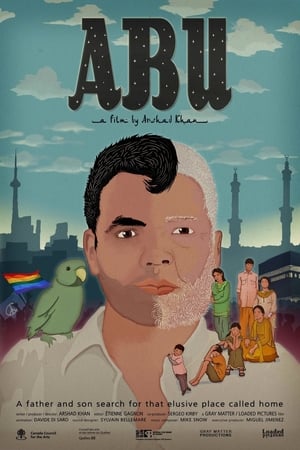
As a gay man, filmmaker Arshad Khan examines his troubled relationship with his devout, Muslim father Abu. Using family archives and movies, Khan explores his struggle with his identity and compares it to his parents attempts to fit into Canada.
"Nasr Hamed Abou Zayd is not Godot, and the expectation promised by the title is misleading: this great gentleman is present in almost every shot. Who is he? An Egyptian Muslim theologian of international reputation, he has published exegeses of the Koran which led to his being condemned for apostasy. Exile, forced divorce from his wife Ibtihal Younes since his marriage was subject to annulment, separation from his son, such are the consequences of his writings. But Abou Zayd has not given up, residing in Leiden in the Netherlands, he continues, always on the road, to give conferences, to explain with great serenity his positions in public debates, on television, etc. C It is this particularly impressive dedication that Mohammad Ali Atassi's camera recorded over a period of six years.
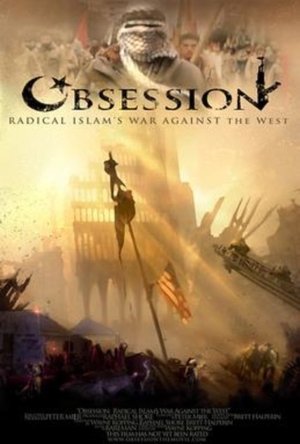
A short film in which Quran verses are shown alongside images from terrorist attacks.
In this sequel to "My brother the Islamist," we continue to follow Robb Leech as the tries to understand his stepbrother's journey and transformation from middle-class boy to convicted terrorist.
The Koran is one of the most important works ever written. For almost one billion people worldwide, it is the Holy Scripture, the word of God and his prophet. For others, it is a historical artifact that has left an indelible imprint on the world. DECODING THE PAST: SECRETS OF THE KORAN probes the heart of the work that many outside Islam find mysterious. This feature-length program examines the history of the verses and their implications for modern times, as well as the striking similarities and differences between the Koran and the Bible. Trace the influence of the Koran from the Golden Age of Islam to the modern rise of jihadism, and hear from top Islamic scholars and holy men as they share their insights into the work that lies at the foundation of one of the world's great religions. THE HISTORY CHANNEL provides the perfect guide to understanding the fundamental work that has shaped the Muslim faith for over 1,400 years, and will long continue to influence modern history.
A visually impaired woman in her 50s and an 18-year-old girl walk the Camino de Santiago. The older woman, Jae-han, is a masseuse who can only make out the dim outlines of things. She is accompanied by a girl named Da-hee. Jae-han dreams of presenting her own style of flamenco in front of the Cathedral of Santiago de Compostela after completing the pilgrimage. However, the journey, which began with a vague longing, turns out to be much more difficult than either had expected.
An openly gay filmmaker goes on a conservative religious pilgrimage to Haifa, Israel with his family.
Against the backdrop of Pakistan's elections, this film follows the rise of powerful cleric Khadim Hussain Rizvi, on a mission to preserve the country's blasphemy laws, which prescribe a mandatory death sentence for disrespecting The Prophet Muhammad (P.B.U.H) and life imprisonment for desecrating the Holy Quran. With millions sympathetic to his goal, Rizvi silences anyone attempting to change the law by condemning them to death. As he pushes for more power, Rizvi decides to run for office in the upcoming general elections, and those accused of blasphemy or those who oppose the blasphemy laws- whether targeted minorities, liberals, and opposing Muslim voices - become the pawns of his ambition.
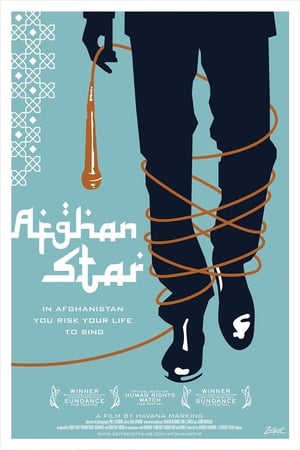
This documentary on the effect the talent competition "Afghan Star" has on the incredibly diverse inhabitants of Afghanistan affords a glimpse into a country rarely seen. Contestants risk their lives to appear on the television show that is a raging success with the public and also monitored closely by the government.
Oriana Fallaci, the Italian journalist who is noted for her provocative interviews, interviews the leader of the Islamic Revolution, the Ayatollah Ruhollah Khomeini, on Sept 12, 1979. For 10 days Oriana Fallaci waited in the holy city of Qum for her interview with the 79 year old Ayatollah, who is the de facto ruler of Iran. On Sept. 12, she was led into the Faizeyah religious school, where Khomeini holds his audiences. She was accompanied by two Iranians Nyho and Iran prime minster Banisadr who had helped set up the interview and who served as translators. Oriana Fallaci, barefoot, enveloped in a chador, the head to toe veil of the Moslem woman, was seated on a carpet, when the Ayatollah entered, and the recorded interview could begin.
A documentary on gay, lesbian, and transgender Muslims across the Muslim and Western worlds.
Documentarians Justine Shapiro and B.Z. Goldberg traveled to Israel to interview Palestinian and Israeli kids ages 11 to 13, assembling their views on living in a society afflicted with violence, separatism and religious and political extremism. This 2002 Oscar nominee for Best Feature Documentary culminates in an astonishing day in which two Israeli children meet Palestinian youngsters at a refugee camp.
“Under the Upturned Moon” is a documentary that tells an outstandingly gripping story of two journalists investigating the depths of Islamic community in a country as small and seemingly insignificant as Latvia.
After over 25 years of incarceration, a Muslim convert re-enters society in the Southside of Chicago to face the same streets that ruined his life. The film is a raw portrait of a man struggling with his past as a gang chief while trying to survive an honest life and redefine himself in a world in which he feels no belonging.