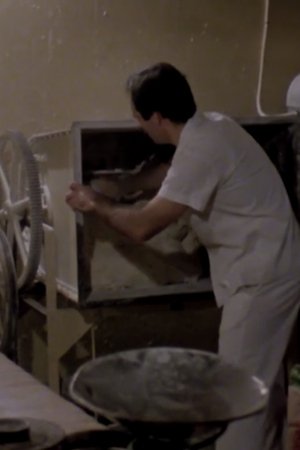
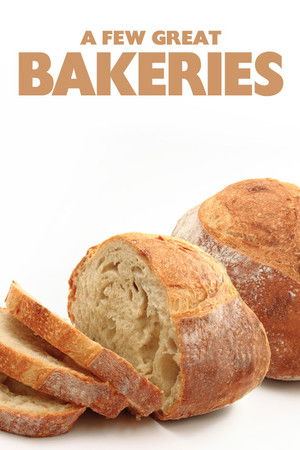
Threatened by the chains of the mass production, local artisan shops are disappearing along with their knowledge and secrets. Through the portrait of a traditional bakery, “Making Dough' offers an insight into the process of vanishing hand-made work.
Christof Wackernagel, best known in Germany as an actor and former member of the Red Army Faction ("RAF") lives in Mali. In his compelling portrait, Jonas Grosch shows a man who simply cannot stand still if he senses injustice. The courage to stand up for one’s beliefs coupled with vanity? However one chooses to look at it, it is easy to imagine what made him connect with the "RAF". With his irrepressible will for freedom, Christof Wackernagel gets entangled in the horrors of day-to-day life in Africa.
Documentary that shows the changing attitude towards immigrant labor in The Netherlands. The documentary follows three immigrants that arrived in Holland 30 years ago to work in a bakery.
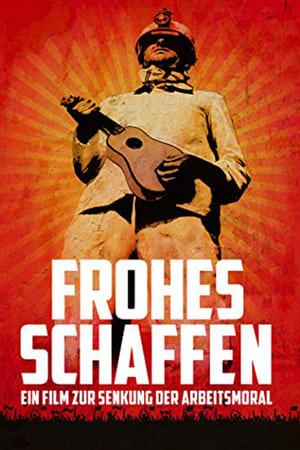
It is a fetish, a mantra, a secret religion to modern man: work. In times of the financial crisis and massive job reductions, this documentary movie questions work as our 'hallow' sense in life in a way that both humors and pains us.
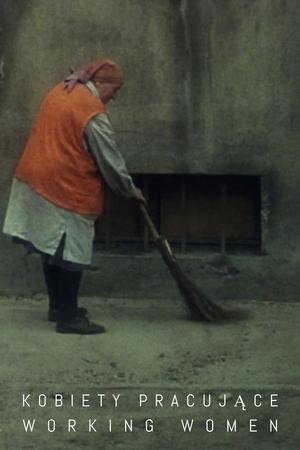
Stylized with dramatic interiors and a distorted frame rate, this early documentary miniature from Szulkin depicts six sequences of solitary, repetitious labor.
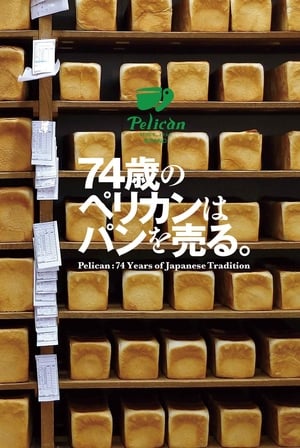
Pelican, a bakery located at Asakusa, Tokyo, becomes crowded every morning. There are only two types of bread sold. It looks ordinary but meet a bakery that has been loved for 74 years with a taste you won't get tired of even if you eat it everyday!
After mutilating his fingers, a carpenter decides to go back to work to support his family and prove that he can still do it.
An overview on safety precautions that protect forklift operators on the job.
A film about occupational diseases. It shows what risks one faces in various professions and presents ways to avoid them. It is necessary to create a healthy work environment, to check the health of workers, to use protective equipment, and to build awareness of basic hygiene rules.
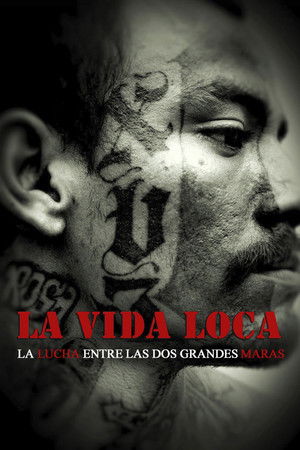
A documentary about the rival gangs Mara 18 and Mara Salvatrucha, originating in Los Angeles but terrorizing El Salvador. It explores their origins as possible founding myths of organized crime in a globalized world.
Document about different types of transportation in manufacturing plants and their importance for speeding up production.
From a secret lab to hidden codes, this special reveals the inner workings of Greggs, the iconic bakery known for its delectable sausage rolls.
Sin descanso
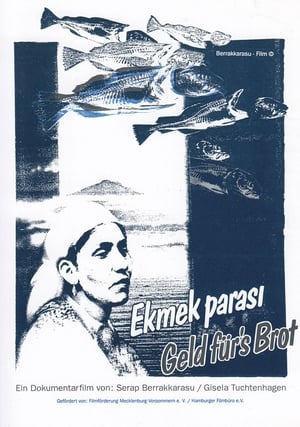
Women from Turkey and Mecklenburg are working together side-by-side at a fish-processing factory in Lübeck. As they work, they share stories about their lives, including their sorrows, griefs, hopes, and dreams, while expressing their longing for home and feelings of being lost in a foreign place.
Man burde ta' sig af det
Parole de boulanger
This documentary walks the line between fact and fiction, delving into corruption in the Mexican police through the experiences of two officers.
Karen Zaitchik jumps on and off moving boxcars, throws switches, pulls brakes and uncouples freights with ease and confidence. She's a railroader for CN and that's what this 21-year-old highly individualistic woman wants out of life for the moment. This colourful short film shows how Karen manages in the traditionally male world of the railroad.
CERN, the world's largest physics laboratory, is also a society in itself. A mythological microcosm and science's answer to the Tower of Babel, with its many thousand employees as an indispensable element among cables and computers. The researchers speak the same esoteric and nerdy language. But their physical trials are not the only experiments in the human anthill. CERN is also a utopian experiment in collaboration across cultures, where the world's most advanced technology meets the world's sharpest—and some of the quirkiest—minds.
Work is becoming more service oriented and more and more services rely upon us doing harm to each other. In most people's lives, work operates as a degrading and debilitating force. It disables people's critical and perception capacities. Unless workers assume responsibility for evaluating the meaning and implications of the work they do, there will never be the capacity to redirect the modern work institutions from their courses of violence and exploitation. Built in seven parts which correspond to each day of the week, this film studies the relationship between work being done and the nature of the people that are doing it.