In the last fifty years the culture of Zen has spread far beyond Japan. Zen centers and zen retreats have sprung up throughout America and Europe. When Dogen, the founder of Soto Zen, brought Zen to Japan from China 800 years ago, it quickly took root and became an integral part of Japanese life. Yet what do we know about zen practice in Japan today? The Zen Mind is a fascinating journey across Japan to explore zen in its natural habitat.
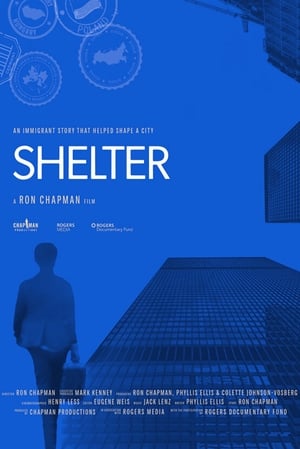
Huntingdon Mayor Stéphane Gendron wants to encourage immigration to save his town, which has been struggling ever since large-scale factory closures some years ago. Mayor Gendron’s project is a way in to a discussion about immigration and social and economic integration.
An absurd game of “finding happiness” is being played by local Latvian coyotes* and illegal immigrants on the Russian and the European Union border. It is a game with no winner – all participants are driven to play by the sense of despair. While one side leaves home and undertakes a perilous journey to the other side of the globe, hoping to spend the rest of their lives in a free country, the other side risks their freedom to earn a chance to stay right where they are, in their homeland. *coyote – someone who smuggles illegal immigrants
After the disaster of March 2011, the Japanese authorities decided to build a gigantic 15 meter high, 500 kilometer long, anti-tsunami wall, separating the land and the ocean. But what is the environmental and human impact of this wall? The population is divided on their opinion: should they cut the island off from the sea or stay vulnerable to tsunamis? Is there another way?
The protagonists of the film are the Zainichi Korean women living in Kawasaki. They were tossed about by the war, and after many trips to and fro across the sea in search of a place to live, they finally arrived in Kawasaki, where they have lived modestly and vigorously.
Stonecutters emigrated from northern Italy to Barre, Vermont, the "Granite Capital of the World." Follow the artisans and their families from quarries, workshops and schools in Italy to granite carving sheds in New England, as they seek their own identities, choosing what to keep and what to cut away from their American and Italian legacies.
A collaboration between filmmaker Ayoka Chenzira and performance artist Thomas Pinnock, who performs his "immigrant folktales" using traditional lore of his native Jamaica to dramatize his migration to New York in the 60's.
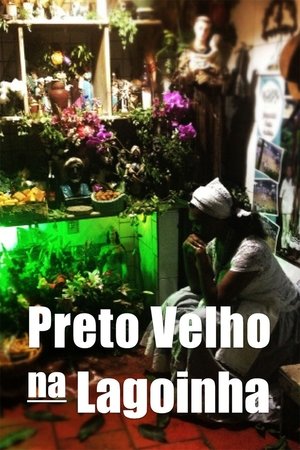
The documentary adresses the meaning of music and the musical diversity present in Umbanda (a Brazilian religion with afroindigenous roots). With interviews with four umbandistas from Fortaleza - Ceará, Crossroads of the Sound pays reverence to the enchanted dimension where the sounds cross each other to make the spirits dance.
A documentary film that includes footage of past Olympics held in different countries with an particular emphasis on the activities and successes of Japanese athletes and how they are currently (circa 1963) improving themselves.
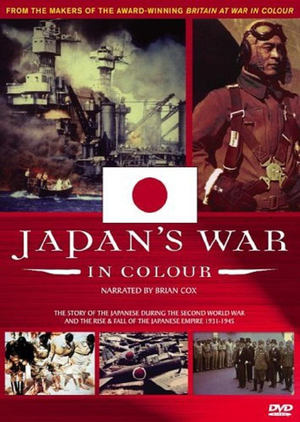
By mid-1945, Hitler is dead and the war has ended in Europe. Halfway around the world, however, the fighting is still going strong on a small island in the Pacific. Okinawa was the site of the last battle of the last great war of the 20th century, with a casualty rate in the tens of thousands. Through it all, military cameramen risked their lives to film the conflict, from brutal land combat to fierce kamikaze attacks at sea. See the footage they captured and experience this intense battle the way the soldiers saw it -- in color.
This is the story of Kaori Kawabuchi, a samurai sword performer, singer and motion capture actor. An inspiring woman keeping alive ancient traditions and spirituality in modern Japan.
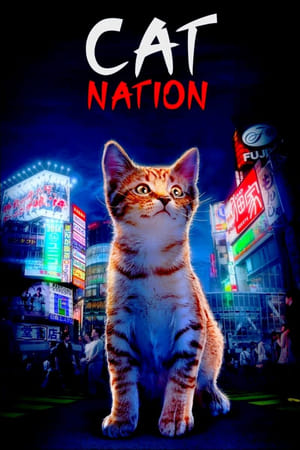
A journey into the unique, often bizarre, world of Japanese cat culture. Cat themed cafes, bars, temples, cat islands, cats with human jobs, cat friendly businesses, and the origins of the iconic beckoning cat statue.
Megumi Odaka (小高恵美) idol VHS tape, Megumi the Campaign - Idol Roke Zenkoku Jyuudan, 1989. She is best known for the role of Miki Saegusa in six Godzilla films from 1989 to 1995.
Documentary that shows the changing attitude towards immigrant labor in The Netherlands. The documentary follows three immigrants that arrived in Holland 30 years ago to work in a bakery.
The war in the South Pacific, a country doctor in Colorado, victims of industrial pollution in a Japanese village — all were captured in unforgettable photographs by the legendary W. Eugene Smith. This program showcases over 600 of Smith’s stunning photographs and includes a dramatic recreation in which actor Peter Riegert (Crossing Delancey, Local Hero) portrays the artist using dialogue take from Smith’s diaries and letters. Interwoven through the program are archival footage and interviews with family and friends of this brilliant, complicated man, whose work developed from twin themes of common humanity and social responsibility.
TOKYO Ainu features the Ainu, an indigenous people of Japan, living in Greater Tokyo (Tokyo and its surrounding areas), who are and actively in promoting their traditional culture in a metropolitan environment away from their traditional homeland, Hokkaido. Shedding a common assumption that all Ainu live in Hokkaido, the film captures the feelings, thoughts and aspirations of Ainu people that who try to follow the Ainu way no matter where they live.
What is peace? What is coexistence? And what are the basis for them? PEACE is a visual-essay-like observational documentary, which contemplates these questions by observing the daily lives of people and cats in Okayama city, Japan, where life and death, acceptance and rejection are intermingled.
A documentary exploring the experiences and attitudes of Indian and Pakistani taxi drivers in New York City while also questioning the filmmaker's relationship to these South Asian immigrants and to his mixed-race heritage.
Suh, whose favorite Packer will always be Mason Crosby; Omi and Ayaka, whose infant daughter already sports a green and gold onesie, and Ryuta aka “fatdragon08” who briefly lived in Milwaukee in 1990, studying English, where he was teased for wearing a San Fancisco 49ers jacket, and subsequently converted to the Pack Life. Benzine’s film lets us spend quality time with these super fans, and then follows them as they make plans to cross the sea to see their beloved Packers in-person at Lambeau! As director Benzine says, “No Packers, No Life is a story about a sports team and their fans, but more than that it illustrates how people from all over the world can come together and unite over a common passion. Also, the Japanese fans arrive in Green Bay and get to ride the Zippin Pippin and party a lot. It’s a very good time.”
Made in Japan, Last Room is both fiction and documentary. The occupants of the love-hotels and capsule-hotels tell their own intimate, dreamlike stories, interspersed with journeys through the archipelago's landscapes. Soon, these personal stories resonate with a collective history: that of Gunkanjima, the abandoned ghost island of Nagasaki, and then that of Japan as a whole.