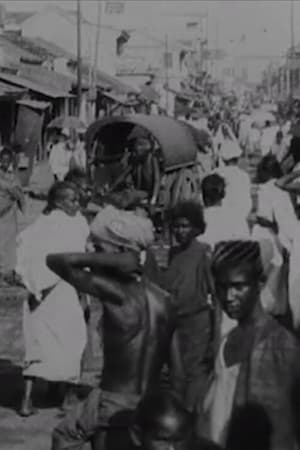
Early film of a crowded street scene in an unidentified Indian city.
Blackout is a short, animated documentary about the 2003 power failure in much of the eastern seaboard of the U.S and Canada for up to 4 days.
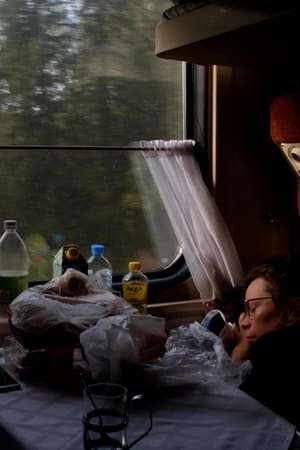
Travel films have an established format with their own conventions, history and baggage. It is a medium that has all too often sought to control, define and dictate perceptions of ”other” places. Comprised of footage shot while travelling on group excursions across Russia in 2019, An Uncountable Number of Threads is an attempt to draw out the ethical restrictions of a travelogue, while questioning how (and why) to make one. At times there is an awkward tourist-gaze, aware of its outsider position. But as a self-reflexive work that considers its own creation, it ultimately unravels, as the artist rationalises themselves out of a particular way of working, inviting the viewer into their uncertainty.
Documentary filmmaker Bruce Brown, himself a competition-level surfer, follows surfers Michael Hynson and Robert August on an around-the-world surfing adventure. With Brown's wry, sardonic narration and a twangy, guitar-driven instrumental soundtrack by The Sandals playing over the silent footage, Mike and Rob leave their California home to visit Hawaii, Australia, South Africa and other secluded surfing spots in a search for the surfer's holy grail that Brown dubs "The Perfect Wave.”
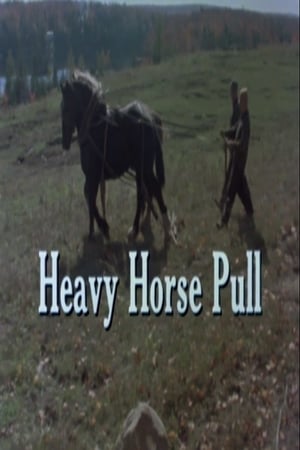
This short documentary offers a humorous look at horse-pulling contests in Ontario and the people who prepare for them. We travel from the farm to the contest, where excitement runs high and the quips do not lack in local colour. Which of these magnificent creatures will be able to pull the heaviest load and win the prize?
An essay film that interweaves meditations on travels with stories of journeys in China across a century: A student expedition into the heart of China in the 1930s, a young traveler's visions of the melancholic landscapes of his homeland, the narratives of movements in early Chinese silent films. Through these fragments of travelogues, the film explores the nature of consciousness in motion and what it means to use archives, images, and cinema as documentations as well as vehicles for travel.
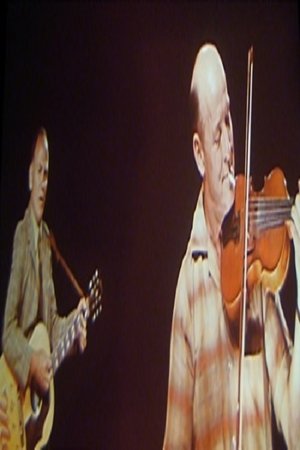
A portrait film of Eastern Ontario directed by Peter Pearson who’s films include the award winner’s like “The Best Damn Fiddler from Calabogie to Kaladar" (1968) and the classic Canadian feature film, "Paperback Hero" (1973). "Seasons in the Mind" includes a talent show section set in Arnprior, Ontario.
John Lowry's 1971 Ontario travelogue "Home by the Waters" (featuring a haunting theme song by Tommy Ambrose) was shown at the IMAX Cinesphere in Ontario Place for a short time in September of 1971.
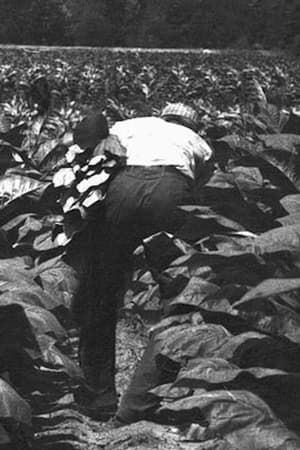
Here is a graphic picture of the tobacco harvest in southwestern Ontario. At the end of July, transient field workers move in for a brief bonanza when the plant is ripe. The tobacco harvesters call it "the back-breaking leaf."
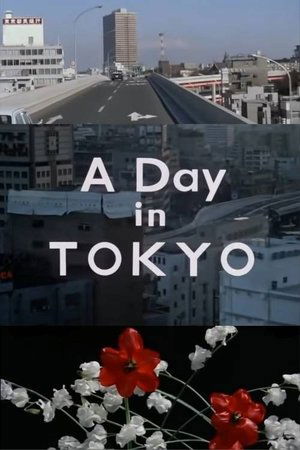
A Day in TOKYO in 1968, Nostalgic bygone era. Planned by Japan National Tourism Organization. Produced by Koga Production. This film was produced to explain Tokyo for foreign tourists.
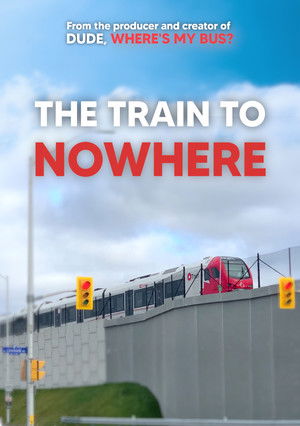
Following the success of Dude, Where's My Bus? (2024), Gio Petti's new documentary The Train to Nowhere shifts focus from buses to rail, centring on the Line 2 expansion of Ottawa’s Light Rail Transit (LRT), a project that many commuters hoped would mark a turning point for transit in the city. The documentary follows Petti as he documents the circumstances surrounding the expansion, the project's transition to a hot-button political issue, and the broader impact on riders who depend on the various systems every day. It also explores themes of retaining optimism and taking charge for change in the transit system in the face of cynicism.
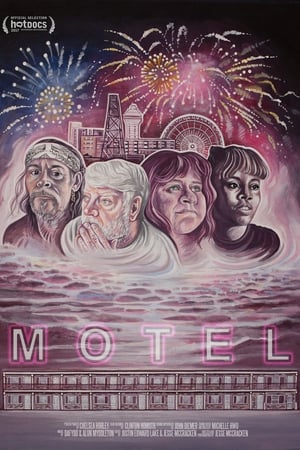
As Niagara Falls transformed from honeymoon capital of the world to Las Vegas North, corporate hotel chains and casinos cast a long shadow over the independent motels that once populated the town. The Continental survived the transition by converting its rooms into affordable housing units, becoming a home for those with few places to go. The night manager, Brian, once a freelance photographer who survived the horrors of war in Vietnam, shares his duties with his colleague Linda. Together they manage both the Continental and the individual struggles of its tenants, providing more than a roof over the heads of those who live under their supervision. Bringing a fresh focus to one of the most photographed places on Earth, director and cinematographer Jesse McCracken develops an intimate and caring portrait of the residents of this modest micro-community set against the backdrop of neon-lit tourist attractions.
Blissful scenes of tourists arriving by boat and then sea bathing on a beach in the Venetian lagoon.
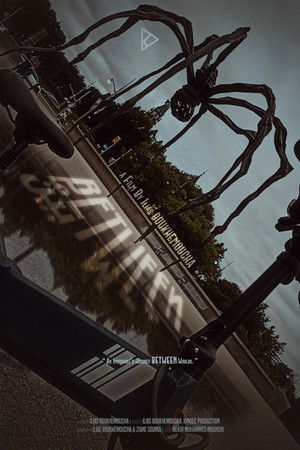
Initially embarking on an unplanned personal filmmaking project, Ilias Boukhemoucha finds himself drawn to the overlooked corners and marginalized communities within Canadian cities.
This documentary visits the towns and villages of the Alsace region of France at Christmastime. See the charmingly decorated storybook towns and learn of the unique holiday traditions and celebrations. The Alsatian landscape is covered with medieval towns, castle ruins and vineyards, and the communities of the region create a season of enchantment in their celebration of Christmas.
David Lloyd George tours Germany, escorted by Nazi government officials, while his chauffeurs lark about with an SS Officer. Lloyd George was pro-German from the mid-1920s, and met Adolf Hitler in 1936. However, by 1938 he had become a leading opponent of appeasement with Germany. This film is believed to have been shot by George Ryder, Lloyd George's chauffeur.
We look first at Westminster Abbey and the Towers of Parliament. And the sight-seeing only starts there as it continues to all the famous buildings of London.
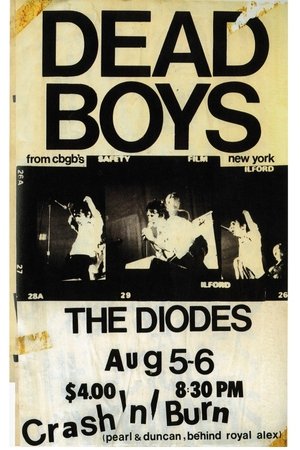
Crash 'n' Burn is an experimental film shot in and named after Toronto, Ontario's first punk rock club. (Not to be confused with Peter Vronsky's similarly titled 1977 documentary on the Toronto punk scene made for the CBC television network.) The film, shot on 16mm black-and-white stock, features performances by Dead Boys, Teenage Head, The Boyfriends, and The Diodes".
When Jennifer Pan calls 911 to report that her parents have been shot, she becomes the primary focus of a captivating criminal case.
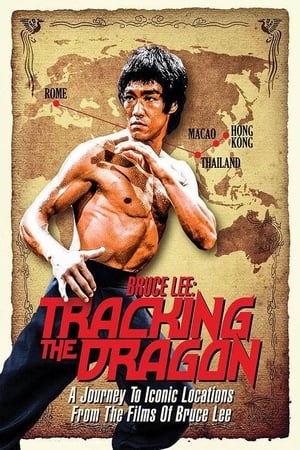
Bruce Lee expert John Little tracks down the actual locations of some of Bruce Lee's most iconic action scenes. Many of these sites remain largely unchanged nearly half a century later. At monasteries, ice factories, and on urban streets, Little explores the real life settings of Lee's legendary career. This film builds on Little's earlier film, Pursuit of the Dragon, to present a comprehensive view of Lee's work that will change the way you see the films.