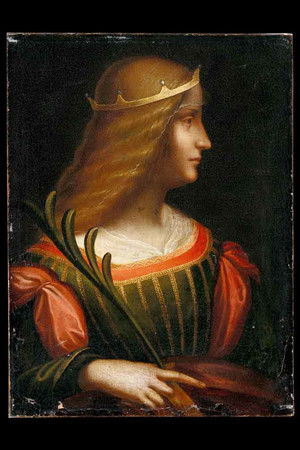
In 2013 an oil painting attributed to Leonardo da Vinci appears in Lugano, the portrait of Isabella d'Este, Marchioness of Mantua. The owner of the painting, Emidia Cecchini, is about to sell it for 140 million euros when Italy accuses her of illegal export. The painting is confiscated, but Switzerland does not release it.
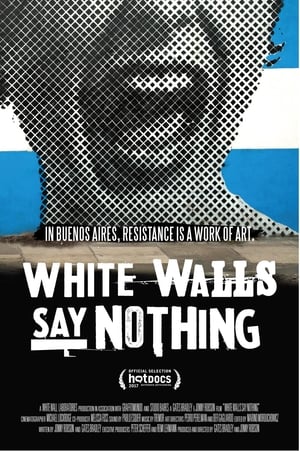
Buenos Aires is a complex, chaotic city. It has European style and a Latin American heart. It has oscillated between dictatorship and democracy for over a century, and its citizens have faced brutal oppression and economic disaster. Throughout all this, successive generations of activists and artists have taken to the streets of this city to express themselves through art. This has given the walls a powerful and symbolic role: they have become the city’s voice. This tradition of expression in public space, of art and activism interweaving, has made the streets of Buenos Aires into a riot of colour and communication, giving the world a lesson in how to make resistance beautiful.
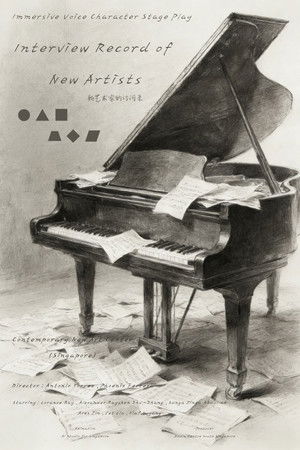
Interview Record of New Artists
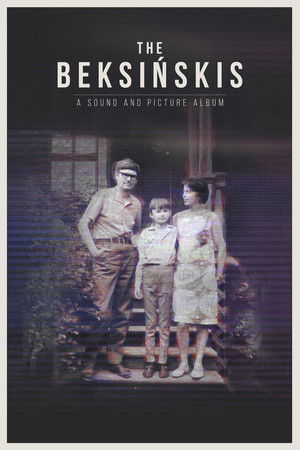
Painter Zdzisław Beksiński, his wife Zofia and their son Tomasz, a well-known radio journalist and translator, were a typical and unconventional family, both at the same time. One of the father’s obsessions was filming himself and his family members. Using archival footage only, shot primarily by Zdzisław, as well many other materials, which have not been presented anywhere so far, the film tells a tragic story of the Beksińskis that has never ceased to fascinate Polish filmmakers.
Contemporary artist Koki Tanaka sets up a booth at a Los Angeles flea market to sell palm fronds. "I tried to bring something very extreme into the flea-market context. I picked the palm fronds because they are the most useless things in California – they’re what we have to sweep away after a windy day. It was an experiment in registering people’s reaction to a fundamental question about the value of objects. And I was referencing two historical pieces: David Hammons’s Bliz-aard Ball Sale [1983], where he sold snowballs during winter in New York; and a Japanese manga called Munou no Hito [A Worthless Person, 1985], in which the protagonist sells stones by the riverside – stones being sold alongside stones. So both shared quite similar ideas." - Koki Tanaka
This MGM Passing Parade series short takes a look at changing definitions of art in the United States.
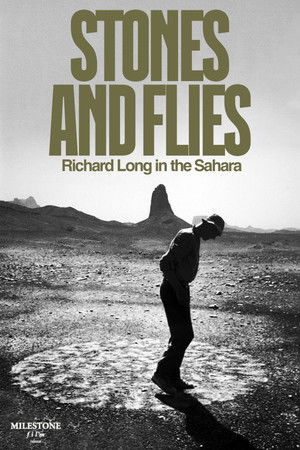
In the fall of 1987, Philippe Haas accompanied the sculptor Richard Long to the Algerian Sahara and filmed him tracing with his feet, or constructing with desert stones, simple geometric figures (straight lines, circles, spirals). In counterpoint to the images, Richard Long explains his approach. Since 1967, Richard Long (1945, Bristol), who belongs to the land art movement, has traveled the world on foot and installed, in places often inaccessible to the public, stones, sticks and driftwood found in situ. His ephemeral works are reproduced through photography. He thus made walking an art, and land art an aspiration of modern man for solitude in nature.
What does modern art mean for ordinary visitors to an exhibition?
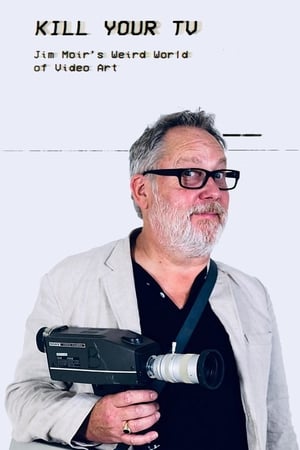
Jim Moir (aka Vic Reeves) explores Video Art, revealing how different generations ‘hacked’ the tools of television to pioneer new ways of creating art that can be beautiful, bewildering and wildly experimental.
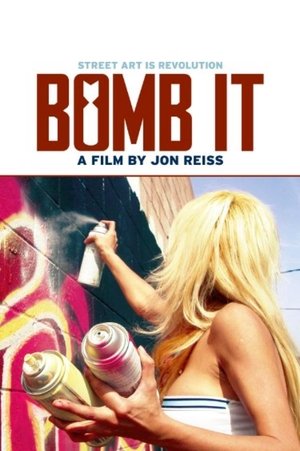
Through interviews and guerilla footage of graffiti writers in action on five continents, the documentary tells the story of graffiti from its origins in prehistoric cave paintings thru its notorious explosion in New York City during the 70’s and 80’s, then follows the flames as they paint the globe.
For both Aboriginal and non-Aboriginal Australians, Captain James Cook is a figure of great historical significance.
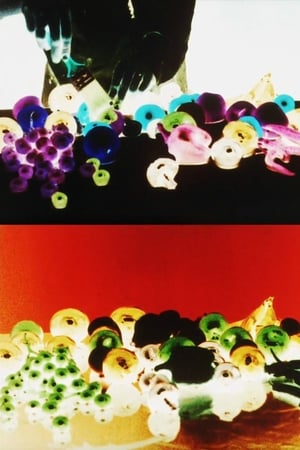
This film explores the transformation of an image from color negative to color positive on one film stock. “The Still Life“ was painted its color negative during the filming and then the exposed film was processed and printed on color negative printstock.
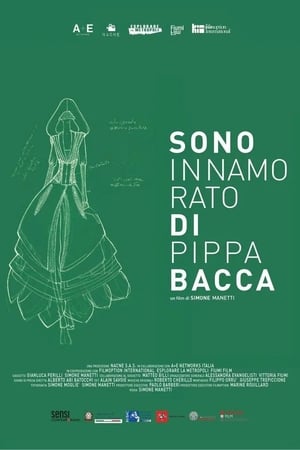
Giuseppina Pasqualino di Marineo, better known as Pippa Bacca, was a 34 years old Italian artist. She crossed 11 countries involved in wars, hitchhiking with another Milanese artist, Silvia Moro, both wearing a wedding dress. This was a performance for peace, trust and hoping to prove that if you rely on others, you’ll receive good things only. After travelling many roads, the two artists decided to split for a while in Istanbul, planning to meet again in Byblos. Pippa left then, alone, and nobody heard from her again.
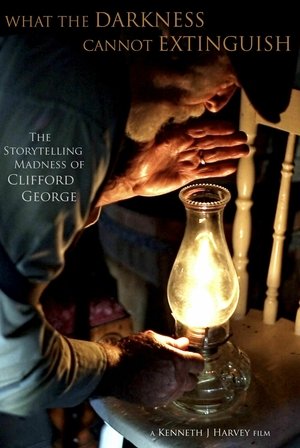
A feature-length documentary celebrating the life and work of Trinity Bay artist and storyteller Clifford George.
Sueños Dorados
Documentary about belgian illustrator Félicien Rops (1833-1898) whose works combined eroticism and death in a very provocative way.
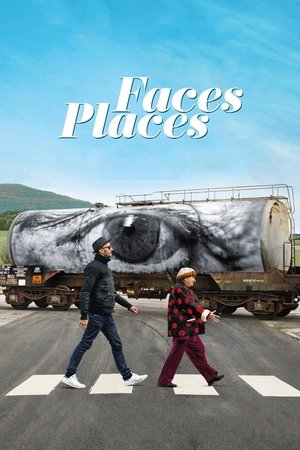
Director Agnès Varda and photographer/muralist JR journey through rural France and form an unlikely friendship.
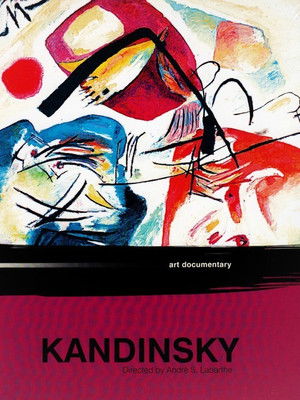
Colour, form, area - this is the formula of the greatest pioneer of abstract painting. Kandinsky came to art late in life, but his impact through Der Blaue Reiter (The Blue Rider) and Bauhaus paved the way for modern art. In 1913, he created one of the first abstract pictures, the theoretical basis of which was inspired by his essay Uber das Geistige in der Kunst (On the Spiritual in Art). Accompanied by Mussorgsky's Pictures From An Exhibition Labarthe goes on a sensual journey which makes the soul resound with colours and forms. "A picture has to resound and must be bathed in an inner glow." Kandinsky
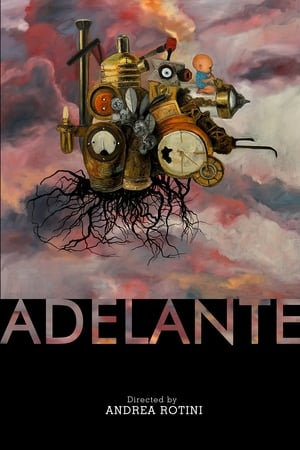
A documentary about the artist Desiderio, directed by Andrea Rotini. With the partecipation of Alessandro Riva, Chiara Canali, Francesco Santaniello. Texts and translations by Gemma Jalenti
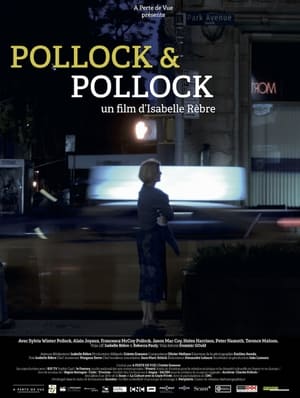
Jackson and Charles Pollock, two brothers, two painters, are caught up in the twists of twentieth century American history. The electrical center of their trajectory is New York. Their correspondence resonates with it, questions a myth and brings a painter out of the shadows.