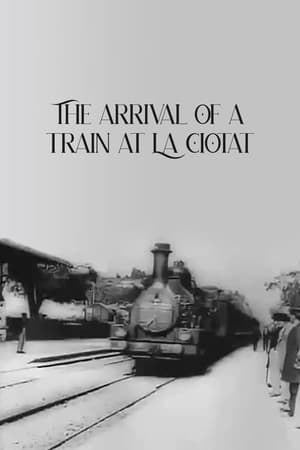
A group of people are standing along the platform of a railway station in La Ciotat, waiting for a train. One is seen coming, at some distance, and eventually stops at the platform. Doors of the railway-cars open and attendants help passengers off and on. Popular legend has it that, when this film was shown, the first-night audience fled the café in terror, fearing being run over by the "approaching" train. This legend has since been identified as promotional embellishment, though there is evidence to suggest that people were astounded at the capabilities of the Lumières' cinématographe.
Two boys aged 9 and 10, Jan and Christoph, want to visit their grandma, who lives in another town. They travel by train, on their own. They buy their tickets, find the right platform and get on the right train. And they know how to behave on the train. So, as expected, the train trip to Grandma's is a safe affair and great fun for the boys.
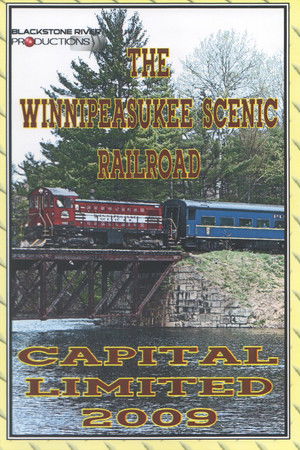
On May 2nd, 2009 The Mass Bay Railroad Enthusiasts ran a special rare mileage excursion over the southern end of the Winnipesaukee Scenic Railroad. The trip ran from Meredith, New Hampshire south to the state capital, Concord New Hampshire! This trip travels along the Lakes Region of Central New Hampshire, through many of the popular towns of Laconia, Tilton, and Northfield on its way to Concord! The rails were once part of the Boston & Maine network that ran to the White Mountains. The trip included two different railroads: The Winnipesaukee Scenic and the New England Southern Railroad. Winnipesaukee Scenic operated to Northfield where New England Southern took over and ran on freight-only trackage to Concord! We captured the excursion from Meredith to Concord and return!
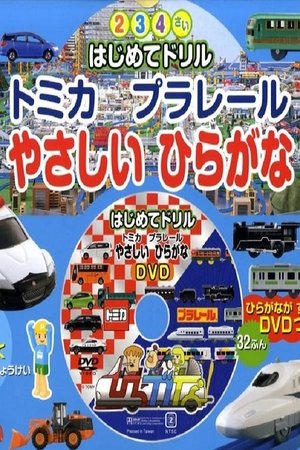
For 2-4 year old children, the Tomika Prarail friendly hiragana first time drill. Learn hiragana characters with the aid of Tomika Prarail trains and cars.
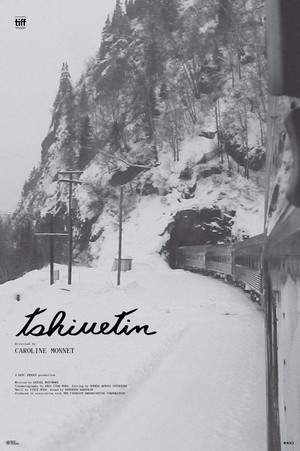
Take a breathtaking train a ride through Nothern Quebec and Labrador on Canada’s first First Nations-owned railway. Come for the celebration of the power of independence, the crucial importance of aboriginal owned businesses and stay for the beauty of the northern landscape.
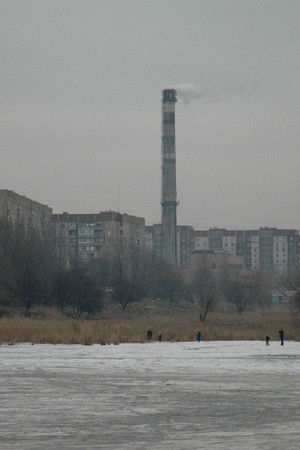
Alesia is a five year old girl growing up in an industrial city of Donetsk, Ukraine. She has to face the reality of her surroundings after growing up in love and hope in the warm family nest.
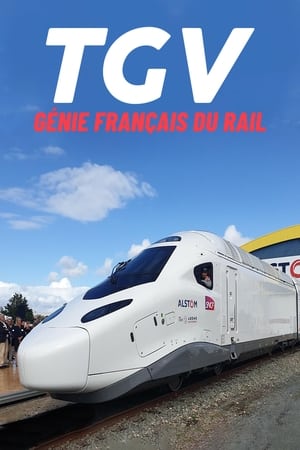
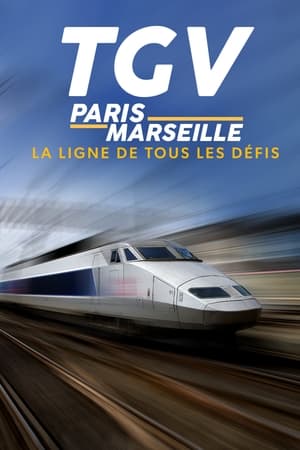
TGV, génie français du rail
Canadian Pacific II is designed as a companion piece to Canadian Pacific I. Shot from a window two storeys higher and in the building adjacent to the artists’s studio of the previous year, one enters into a dream state… an involvement with a vocabulary of seeing and feeling by subtle transitions of the passage of time
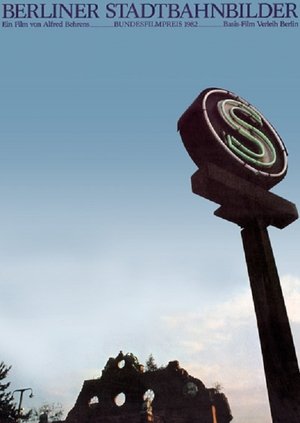
Documentation on the Berlin S-Bahn, which threatened to fall into oblivion as a result of the division of the city.
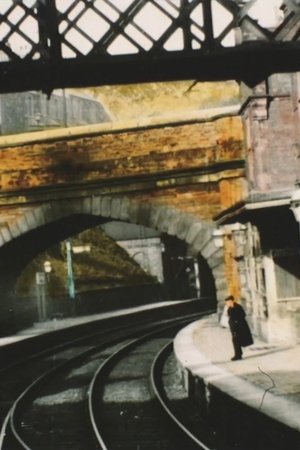
A hand-colored ride along the Bangor-Conwy-Colwyn Bay railroad filmed from an express train from the London and North Western Railway; Stations, vistas and a tunnel under the Conwy Castle (misspelled in the title) in North Wales.
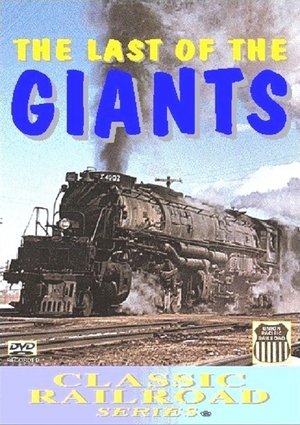
A Union Pacific production outlining the Big Boy locomotive and the history of the last great steam engine to rule the rails
Documentary film about the Slovak Youth Line - a railway line built by the Czechoslovak youth from Hronská Dúbrava to Báňská Štiavnica and Letovice.
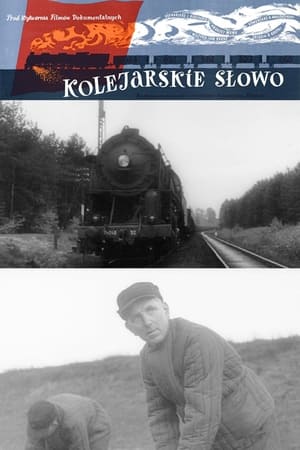
A documentary about the hard work of railwaymen transporting coke from Tarnowskie Góry to Szczecin Iron works.
May 27th, 1971 was a rainy day. In the small town Radevormwald, the world seems to be still in order. But on this day, 46 people die in a train crash, amongst them 41 schoolchildren. Since then, Radevormwald has been connected with one of the worst railway catastrophes of Germany. The touching documentary reconstructs the tragedy and shows how much the event still influences the life in the town until today.
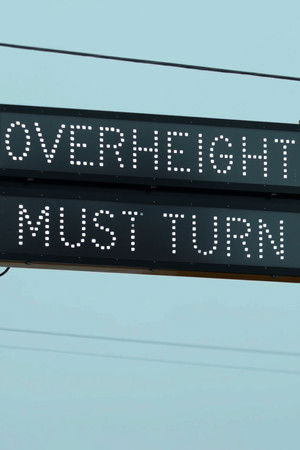
For the past ten years, Jürgen Henn has filmed over-height trucks crashing into the 11foot8 train bridge affectionately nicknamed the "Can Opener." In that time, millions have viewed the crashes online. Regional, national, and international news organizations have dined out on the story and the goofy crash reels. But why do motorists continue to crash despite the many warnings, sensors, and signs? And what is it about these crashes that holds our attention? In this piece, we look for the humanity in human error.
A day in the city of Berlin, which experienced an industrial boom in the 1920s, and still provides an insight into the living and working conditions at that time. Germany had just recovered a little from the worst consequences of the First World War, the great economic crisis was still a few years away and Hitler was not yet an issue at the time.
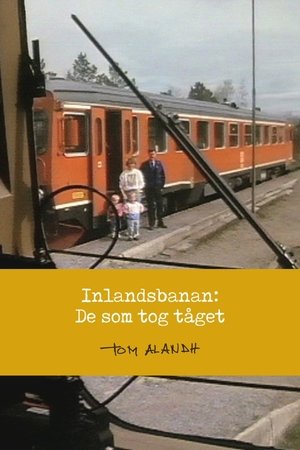
A journey along the Inland Line (*Inlandsbanan*) from Mora to Gällivare—taking place during the line’s final summer (1991), just as passenger services are set to be discontinued. We witness the consequences of this closure—a reality that several Swedish members of parliament struggle to grasp when given the chance to weigh in on the termination of a highly valued railway line.
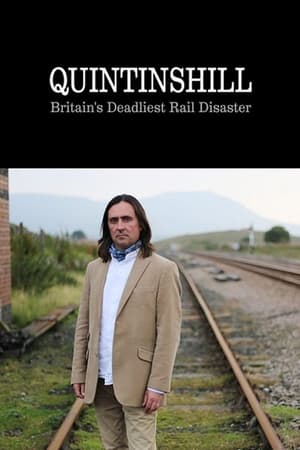
Neil Oliver describes the worst ever railway accident in the UK, which happened a hundred years ago on 22 May 1915, in which three trains collided at Quintinshill near Gretna Green. One of the trains was a troop train taking soldiers to fight in World War I at the Battle of Gallipoli: many of the dead were in this train which caught fire due to escaped gas from the archaic gas lighting in the carriages. The cause of the crash was attributed to a catastrophic signalman's error, but Neil examines whether there were other contributory factors and whether there was a cover-up to prevent investigation of them, making convenient scapegoats of the signalmen.
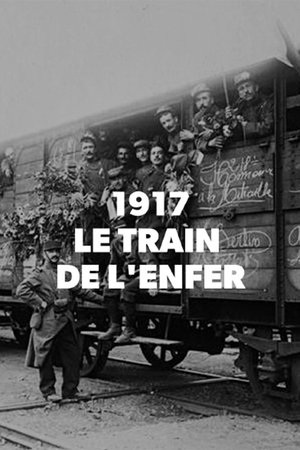
1917, The Train from Hell is an historical documentary about a train accident during WW1.
TGV Paris-Marseille, ligne de tous les défis