Secrets of the Dead: Death on the Railroad
Lee Anne Schmitt explores California's landscape and past to document the history of one-time boom towns built and abandoned by the industries that necessitated their creation. Sold as a limitless land expansive with free opportunity, California was actually, from its onset, fissured by the interwoven needs of private and public interests. Schmitt's film covers various locations through time, as the major industries of the early 20th century (mining, lumber, oil) give way to the military, eventually leading to multinational corporations, and the use of small towns as satellites for growing urban metropolises.
Unconventional portrayal of mining in the Swedish Lapland ore fields, a powerful image and sound symphony that can be experienced both as a documentary and symbolic work.
The film explores how the three British colonies of New Brunswick, Nova Scotia and Prince Edward Island became provinces of Canada and charts the subsequent decline of their economies after Confederation. Photographs, archival drawings, cartoons and interviews with Maritime historians are used to document the case.
Footage of the everyday life of an ordinary Ukrainian family from the city of Svitlodarsk in the Donetsk region shows a life marred by the Russian occupation, where martial law has become the norm. The picture contrasts children's games, doing homework and having dinner in front of the TV with the panorama of the bombed-out buildings of a ghost town.
La zuppa del demonio
Spains Worst Rail Disaster
A story about children and adults who migrated from eastern Ukraine because of the war and found themselves far from home in a hostel for displaced people. This is a film about the everyday life and pain of refugees, about the search for small details that give strength to live and about adults who are tired of war. It is a self-reflection of refugees who believe that they will soon return home, without a clear understanding of when this will be possible and what awaits them there.
The largest railroad community in history at work making the Pennsylvania Railroad become the Standard Railroad of the World. Generations of Altoona shopmen and train crews created the extraordinary legacy this film brings to life.
Hmoty zítřka
Whales beached after ingesting plastic, oceans soiled: a quarter of marine waste today comes from cans and plastic bottles. The drinks industry produces 470 billion single-use bottles each year, 25% of which come from Coca-Cola. Although the world's largest soft drink producer has set ambitious targets to prevent this environmental pollution, it has often failed to do so. In the 1950s, the company sold its drink exclusively in returnable glass bottles, which it washed and refilled. Two decades later, these were replaced by disposable bottles - a decision whose devastating effects still linger.
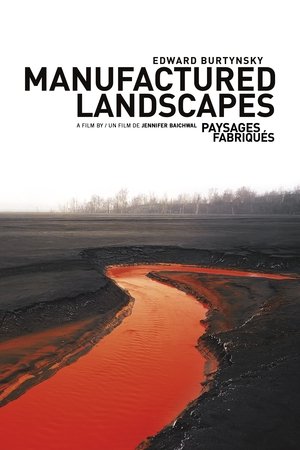
MANUFACTURED LANDSCAPES is the striking new documentary on the world and work of renowned artist Edward Burtynsky. Internationally acclaimed for his large-scale photographs of “manufactured landscapes”—quarries, recycling yards, factories, mines and dams—Burtynsky creates stunningly beautiful art from civilization’s materials and debris.
In the cobalt mining areas of Katanga in the Democratic Republic of the Congo (DRC), babies are being born with horrific birth defects. Scientists and doctors are finding increasing evidence of environmental pollution from industrial mining which, they believe, may be the cause of a range of malformations from cleft palate to some so serious the baby is stillborn. More than 60% of the world’s reserves of cobalt are in the DRC and this mineral is essential for the production of electric car batteries, which may be the key to reducing carbon emissions and to slowing climate change. In The Cost of Cobalt we meet the doctors treating the children affected and the scientists who are measuring the pollution. Cobalt may be part of the global solution to climate change, but is it right that Congo’s next generation pay the price with their health? Many are hoping that the more the world understands their plight, the more pressure will be put on the industry here to clean up its act.
It's the musical phenomenon of the moment: K-Pop, short for "Korean Pop," has taken the world by storm in just a few years. But behind the powerful lyrics, elaborate choreography, and polished looks lies a ruthless industry.
After the last train at night and before the first in the morning, 800 people are hard at work behind the scenes making London's Underground fit to travel on. Including brushing dust from ventilation ducts, ‘fluffers’ cleaning up rubbish, routine rail replacement and fixing a broken rail discovered at 3.30am.
An engineering feat: Second city civil engineers complete a new bridge to carry traffic over New Street's tangled railway intersections.
Normalisace
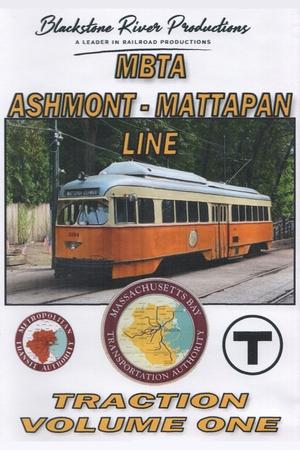
A unique look inside over 70 signal boxes taken from Video 125's archive filmed over a period of 30 years. Features 'boxes of all shapes and sizes, all kinds of operating methods from 19th century mechanical lever frames to 20th century panels to 21st century state-of-the-art Rail Operating Centres.
The German railroad has been in operation since 1835, but the darkest chapter in German railroad history is often forgotten. Extensive original film material from the Nazi era shows the dubious role played by the Deutsche Reichsbahn during the Second World War and how little resistance there was among the railroad workers.
For the past ten years, Jürgen Henn has filmed over-height trucks crashing into the 11foot8 train bridge affectionately nicknamed the "Can Opener." In that time, millions have viewed the crashes online. Regional, national, and international news organizations have dined out on the story and the goofy crash reels. But why do motorists continue to crash despite the many warnings, sensors, and signs? And what is it about these crashes that holds our attention? In this piece, we look for the humanity in human error.