A collectively made filmic opera in 35 parts. The Black and predominantly queer art collective, an evolving line up of poets and artists from across the world, abstracts and reimagines opera in any traditional conception. Set to hip-hop, blues, noise, R&B and electronica, the piece uses the voice (chanting, singing, screaming; written by poet and activist Dawn Lundy Martin) as its primary tool, verbalising centuries of alienation, vulnerability and protest in the global African diaspora through its disruptive libretto.
A surreal musical comedy set in a world where the avant-garde and the mainstream are reversed.
An experimental film from Jirí Lehovec, mixing the sound process with animated rhythms.
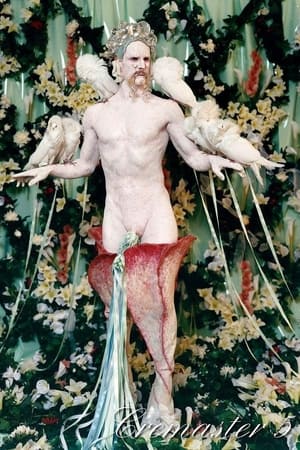
Cremaster 5 is a five-act opera (sung in Hungarian) set in late-ninteenth century Budapest. The last film in the series, Cremaster 5 represents the moment when the testicles are finally released and sexual differentiation is fully attained. The lamenting tone of the opera suggests that Barney invisions this as a moment of tragedy and loss. The primary character is the Queen of Chain (played by Ursula Andress). Barney, himself, plays three characters who appear in the mind of the Queen: her Diva, Magician, and Giant. The Magician is a stand-in for Harry Houdini, who was born in Budapest in 1874 and appears as a recurring character in the Cremaster cycle.
A surreal post-apocalyptic drama by Patrick Kennelly inspired by the clipping. album “Splendor & Misery”
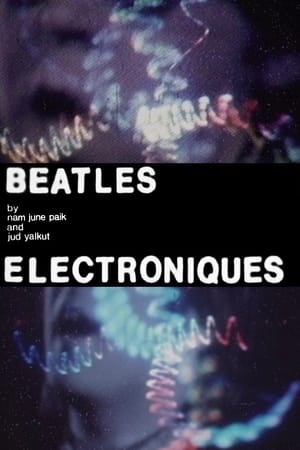
Part of a collection of restored early works by Nam June Paik, the haunting Beatles Electronique reveals Paik's engagement with manipulation of pop icons and electronic images. Snippets of footage from A Hard Day's Night are countered with Paik's early electronic processing.
Surrendering the mind to the hypnotic dance of fire, a candle's glimmer reveals dreamlike memories, illustrated by flickering fragments of experimental films that overlap alongside a deconstructed soundscape. Entering a hallucinatory state in a haunted ambience, one's own subconscious is put on display.
WHAT YOU MEAN WE is a surreal short film by experimental artist Laurie Anderson.
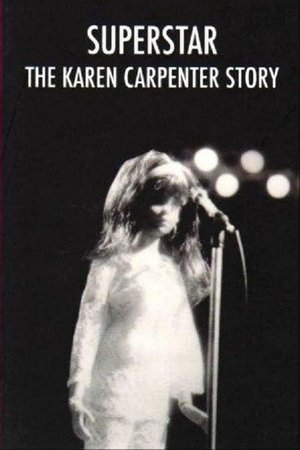
The final 17 years of American singer and musician Karen Carpenter, performed almost entirely by modified Barbie dolls.
"a feeling of listlessness and dissatisfaction arising from a lack of occupation or excitement."
10 minute experimental film.
Naked bodies are buffeted by water accompanied by the music Il Temporale from the opera La Cenerentola and the overture to Il Barbiere di Siviglia both by Gioacchino Rossini.
formula, a constantly evolving work updated with each presentation, is a perfect synchronisation between sound frequencies and the movements on the screen. It places the viewer in a binary geometry of space and exploits the darkness to amplify one's perceptions. There is a complete integration of the various elements, composing music, images, lighting and orchestrating the relationships between them through a highly precise score.
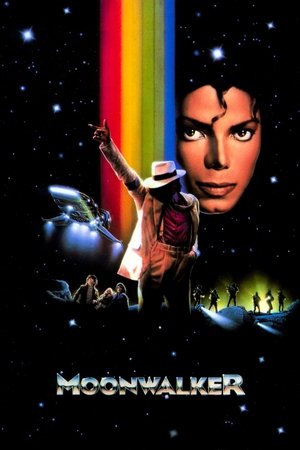
This fantastical movie inspired by the music of Michael Jackson features imaginative interpretations of hit tracks from the iconic 1987 album “Bad”.
A huge, run-down apartment in Berlin Mitte. Two women and a man, rehearsals for a movie about love and sex, that will never be shot. Acting and reality mingle into a dangerous mélange.
A short film recounting the travels of a lonely astronaut confronted by the unknown. Unfolding as a mystery, it becomes a carefully subtle, autobiographical examination of the feeling of loneliness and the existential issue of not understanding life on earth and ones place among it.
Beneath towering Brutalist architecture, a man is driven to do what must be done.
A concert at the Golden Circle with Don Cherry and his quintet was filmed and then processed to an art movie using various optical effects.
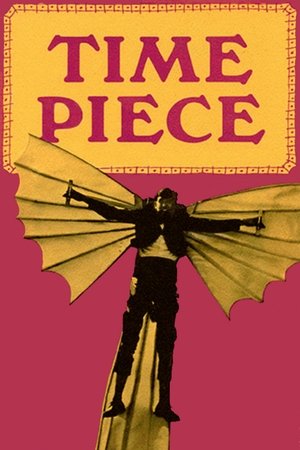
Dislocation in time, time signatures, time as a philosophical concept, and slavery to time are some of the themes touched upon in this 9-minute experimental film, which was written, directed, and produced by Jim Henson. Screened for the first time at the Museum of Modern Art in May of 1965, "Time Piece" enjoyed an eighteen-month run at one Manhattan movie theater and was nominated for an Academy Award for Outstanding Short Subject.
A poetic, semi-autobiographical short film of the sun setting over a village, shot from behind the curtains of a small, dimly lit room.