A coming-of-age story about a high-school girl who wants to use magic, featuring the 11-member experimental band Vampillia
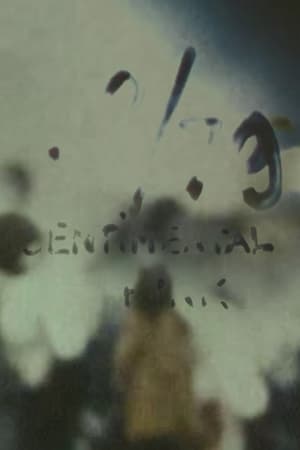
'It was in San Francisco at a punk festival. I was already high and the air was so thick in the rooms that you could cut it with a knife. I had a photograph camera with me; I stood in a corner of the entrance hall and took 36 pictures on slide film. At home I put the slides into a slide projector. I took out the lens and filmed the slides by filming directly from the projector - using single frames according to a certain plan.'
As technology accelerates, our species' collective imagination of the future grows ever more kaleidoscopic. We are all haunted by temporal distortion, perhaps no more than when we attempt to remember what the future looked like to our younger selves. As the mist of time devours our memories, the future recedes; each of us burdened by the gaping mouth of entropy. Yet, emerging technology provides a glimmer of hope; transhumanism promises a future free from mortality, disease and pain. Does our salvation lie in digital simulacra? We're here to sell you the answer to that question, for the low, low price of four hundred and seventy seconds.
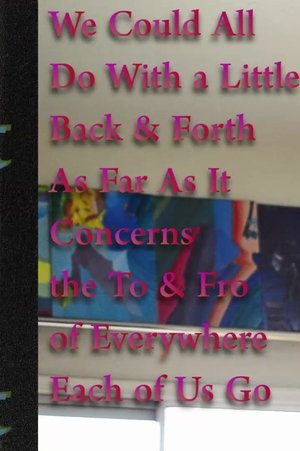
(Some of us) Still run down the same [mental&emotional] streets we revered/reproached/replaced as children.
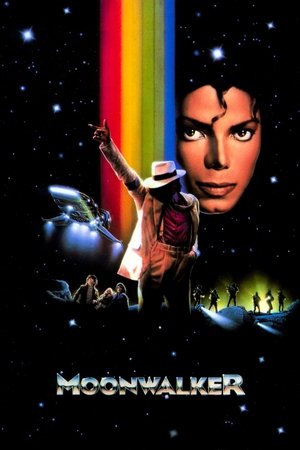
This fantastical movie inspired by the music of Michael Jackson features imaginative interpretations of hit tracks from the iconic 1987 album “Bad”.
Return to 'burn' only to find out you're already in that urn.
"Frozen Jumper" begins in hit-and-run style with a pulsating textural noise. Flickering, nearly rectangular patterns join on the image plane, at first in black-and-white, bringing to mind the sprocket holes in celluloid film and, not least due to the lack of geometric precision, giving the impression of a pre-digital origin. As the soundtrack rattles on in a minimalistic way, the pattern’s twitchy dance is submerged in various warm hues such as yellow, pink, light green and light blue, which in a different rhythm and to a more agreeable music could be perceived as the signature of slightly retro psychedelia.
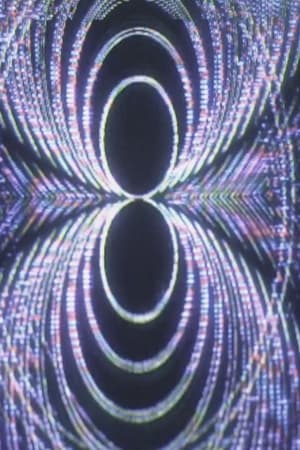
Circuit bent gain controller run into a CRT TV
Locked away but not away; somewhere nearby but unreachable, a periphery so notfaroff it's always in sight.
Beyond all human restraint lies one's lugubrious layers of paint.
There is nothing left to do but complain.
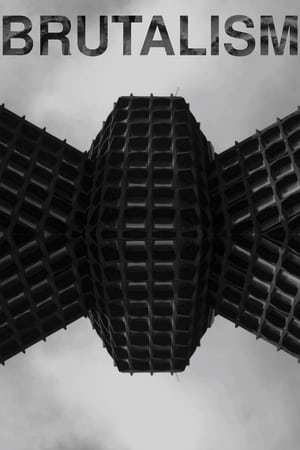
Beneath towering Brutalist architecture, a man is driven to do what must be done.
Wax and wane until there is naught but boring pain.
Lines align during acclimated apexes, shadowy vertices, and bright burrows.
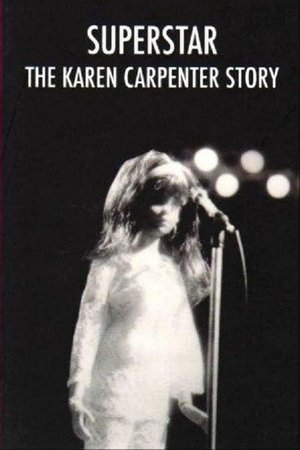
The final 17 years of American singer and musician Karen Carpenter, performed almost entirely by modified Barbie dolls.
A film that places the bright and dark sides of life close together. From an understatement beginning, the movie drives up to an ecstatic highlight with a love act between two young people. The orgasm becomes an enormous image flow into the crematorium's death machine.
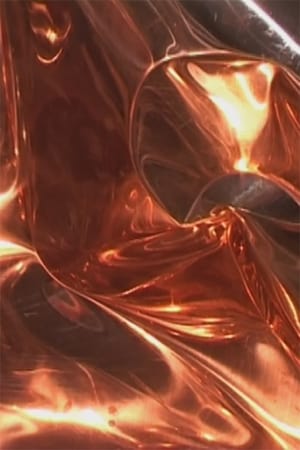
Shortly before his death, Romitelli together with his friend Paolo Pachini and the poetess Kenka Lèkovich, resurrected the dream of a total scenic art (a furnace of sensations, they called it, an_ initiation rite_) in the manner of the Futurists: rhythms and gleams of light striking metals (for the video part), poems in iron and chrome singing of fusion with matter (Kenka Lekovich), acoustic/electric music highly amplified, filtered, spatialised, in as artificial a manner as possible. An Index of Metals bears vigorous witness to this determination to go beyond: sizzling orchestration, electric and psychedelic; a voice which plays on effects, murmurs with reverb, cackles into a megaphone, screams like a pop star; and an electric guitar score of a kind that no ‘serious’ composer has ever written, sliding across an infinite range of tones with a lightness of touch and blurring of contours.
A concert at the Golden Circle with Don Cherry and his quintet was filmed and then processed to an art movie using various optical effects.
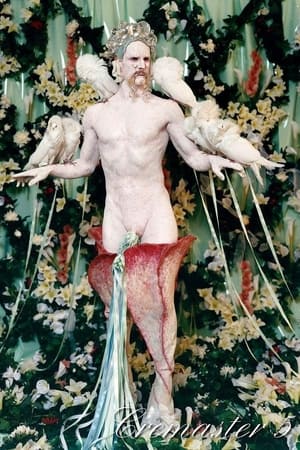
CREMASTER 5 is a five-act opera (sung in Hungarian) set in late-ninteenth century Budapest. The last film in the series, it represents the moment when the testicles are finally released and sexual differentiation is fully attained. The lamenting tone of the opera suggests that Barney invisions this as a moment of tragedy and loss. The primary character is the Queen of Chain (played by Ursula Andress). Barney, himself, plays three characters who appear in the mind of the Queen: her Diva, Magician, and Giant. The Magician is a stand-in for Harry Houdini, who was born in Budapest in 1874 and appears as a recurring character in the Cremaster cycle.
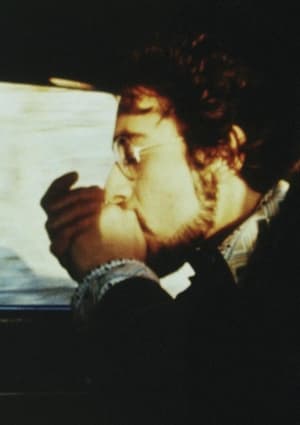
Arguably Larry Gottheim’s most exuberant experiment in the single-shot, single-roll format (and his first with a soundtrack), HARMONICA trains the camera on a friend improvising a tune in the backseat of a moving car. Held out the window, the harmonica becomes a musical conduit for the wind, while Gottheim's film transforms before our eyes into a playful meditation on wrangling the natural elements into art. - Max Goldberg