1917, The Train from Hell is an historical documentary about a train accident during WW1.
A day in the city of Berlin, which experienced an industrial boom in the 1920s, and still provides an insight into the living and working conditions at that time. Germany had just recovered a little from the worst consequences of the First World War, the great economic crisis was still a few years away and Hitler was not yet an issue at the time.
The story of how newspapers were distributed during the Blitz, stressing the importance of an accurate and objective press on the home front.
Banlie.ue
Trať družby
A travelogue, this film provides a guided tour of pre-World War II Utah and of course does not pretend to cinematic greatness. Recommended viewing for those in search of introductory Utah history. Also valuable for persons seeking insight into the state as it would have looked during this time period. Especially informative for those desiring a window into the past for a view of how Utah was in the days of their pre-World War II progenitors living in the state. Those whose Utah ancestors were involved in mining, railroading, sugar beets, and other featured industries; featured towns, sights, recreational attractions, and industries may find this otherwise banal travelogue a quite valuable addition to their family history.
A film about the Southern Pacific Railroad and the men and women who keep the trains running.
A documentary on the railroads of America produced by the Association of American Railroads
The story of the railroad man in his role in keeping the trains moving on the rails.
A short documentary about the construction of the parisian subway in the 50s.
Take a breathtaking train a ride through Nothern Quebec and Labrador on Canada’s first First Nations-owned railway. Come for the celebration of the power of independence, the crucial importance of aboriginal owned businesses and stay for the beauty of the northern landscape.
A group of people are standing along the platform of a railway station in La Ciotat, waiting for a train. One is seen coming, at some distance, and eventually stops at the platform. Doors of the railway-cars open and attendants help passengers off and on. Popular legend has it that, when this film was shown, the first-night audience fled the café in terror, fearing being run over by the "approaching" train. This legend has since been identified as promotional embellishment, though there is evidence to suggest that people were astounded at the capabilities of the Lumières' cinématographe.
"Tetsudou" version of the series full of popular vehicles for children. Fifty kinds of trains selected from the railway active in Japan such as Shinkansen, SL (steam locomotive), limited express, etc. are recorded with powerful images. Introducing a nostalgic train that is not running now as a bonus picture.
A documentary about the hard work of railwaymen transporting coke from Tarnowskie Góry to Szczecin Iron works.
Documentary film about the Slovak Youth Line - a railway line built by the Czechoslovak youth from Hronská Dúbrava to Báňská Štiavnica and Letovice.
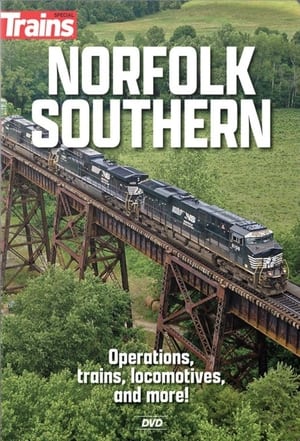
Norfolk Southern, one of the nation’s major freight railroads, has been a long-time favorite among fans and those in the railroad industry. Join them for a look at Norfolk Southern today as they celebrate the 40th anniversary of this iconic railroad. This video includes exclusive interviews with top executives, behind-the-scenes access at the main shop in Altoona, Pa., a look at sacred places on the Norfolk Southern, and so much more!
Eighth Wonder of the Industrial World
A multibillion-pound investment is underway to make our railways bigger, better and faster. Over three years, we go behind the scenes with Wales’s newest rail body as they try to make ambitious promises a reality.
A film about winter railroading in the Canadian Rockies and the men who keep the lines clear. The stretch between Revelstoke and Field, British Columbia, is a snow-choked threat to communications. The film shows the work of section hands, maintenance men, train crews and telegraph operators.
First transmitted in 1969, this documentary follows the construction of the world’s most advanced underground system. Macdonald Hastings narrates the story of one of the most complex tunnel engineering feats of its time. He reveals the isolation felt by the miners who spent six years burrowing deep beneath the streets of London, shows what they did beneath one of London's most famous department stores and explains why the ground at Tottenham Court Road had to be frozen during the hottest weeks of 1966. The result is a brave new world of transport with automated trains, two way mirrors, automatic fare collection and closed-circuit television, all choreographed by a computer programme played out by an updated version of a pianola located in a control room somewhere near Euston station.