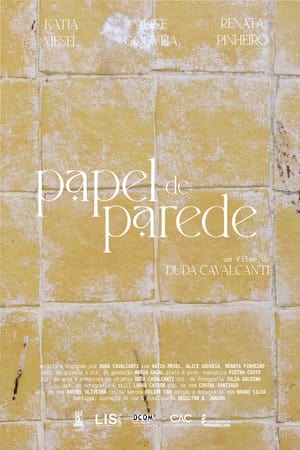
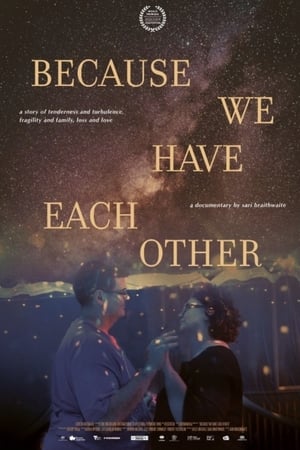
This short documentary sifts through the pages of a woman's diary who has recently begun to write her memoir. As she looks back at her life and some of her memories, the film explores the ordinary act of writing and the value and meaning it may hold in mundane everyday life.
Three women share their experience of navigating the app-world in the metro city. The sharings reveal gendered battles as platform workers and the tiresome reality of gig-workers' identities against the absent bosses, masked behind their apps. Filmed in the streets of New Delhi, the protagonists share about their door-to-door gigs, the surveillance at their workplaces and the absence of accountability in the urban landscape.
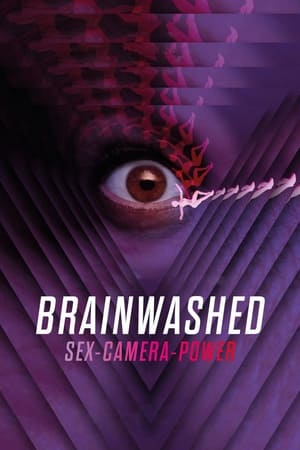
Investigates the politics of cinematic shot design, and how this meta-level of filmmaking intersects with the twin epidemics of sexual abuse/assault and employment discrimination against women, with over 80 movie clips from 1896 - 2020.
$avy investigates the historical, cultural, and societal norms around women and money.
When she realizes that her grandmother, the woman who raised her, is losing her sight, the director decides to explore the bond that unites them through the episodes of non-vision that these three generations share, the memories of the past, the misunderstandings and the new memories they seek to have in common.
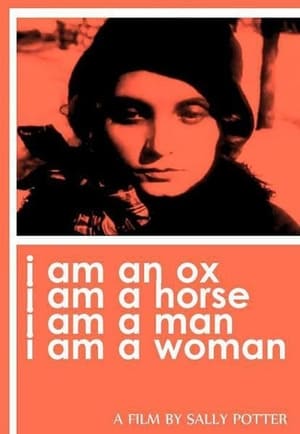
A docu-drama shot in 1970, but not completed until 1973, the film sought to encapsulate in an experimental form issues that were under discussion within the Women’s Liberation Movement at this time and to thus contribute to action for change. In its numerous community screenings, active debate was encouraged as part of the viewing experience.
To produce speech, a set of mechanisms must be brought together. What is the normal articulation for speech? How to produce the sounds that make it up in the correct way? A physiological analysis of the aspects of speech shows us how: the jaw must move in a certain way; the air must be expelled from the lungs in another. Based on the concepts stated in the film "Normal Speech Articulation" (1965), produced by the University of Iowa (USA), we intend to reflect on the way women have been represented, and consequently educated, over the years, both in film and in the media. Largely composed of archival footage, this film intends to make evident, through a montage inspired by Structuralist movements, the violence of this education.
This glasnost-era documentary, which incorporates footage from films from the 1920s through the 1980s, looks at the history of women in Russian cinema through the eyes of Russian women directors, actors, and scriptwriters. The film’s title refers to a WWII slogan about women doing the work of absent men in the fields and at home. Featuring Kira Muratova, Natalia Ryazantseva, Inna Churikova, Nonna Mordyukova, and others.
Wallpaper
The horror film genre’s most iconic Scream Queens are featured in this documentary about women’s roles and triumphs, both on-camera and off.
In 2022, when the economic crisis in her native country was at its peak, she decided to visit her family there. She turned her short trip into a collage-like diary in which she reflects on her relationship with her homeland, which is in a state of protracted decay. The film is composed of spontaneous snapshots capturing the author's stay, interspersed with inserted captions serving as personal, often poetically formulated comments and observations. As a result, the film does not hide its strongly subjective perspective, but at the same time builds on it to make an important statement that shows the transformation of Lebanese society in everyday details such as the appearance of the city itself or in the intimate sphere of the author's family life.
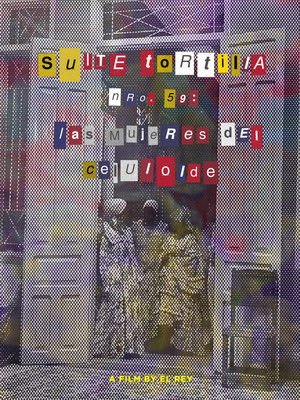
An American lesbian in Cuba explores gender through dance and film, blending personal experiences and cultural symbols with music and Revolutionary cinema and questions how lesbians fit into Cuban cinema.
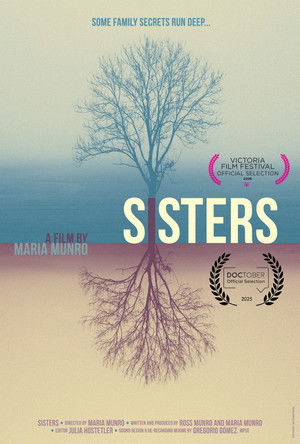
“Sisters” is a deeply personal story about my journey back to my home country of Venezuela to investigate the possibility of a long lost sister.
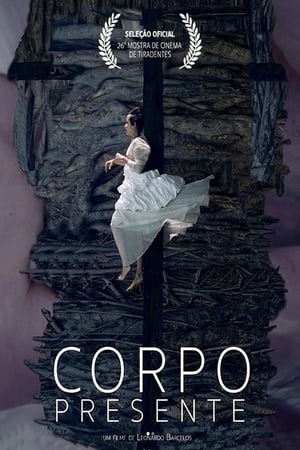
A hybrid feature film that investigates contemporaneity through the body and its countless possibilities of expression and meanings. The film puts the body and the idea of the body in evidence, through metalanguage, articulation and confrontation of documentary, fictional and performative languages. The film follows the trajectory of the main character who uses her own body to formulate universes and investigate the meanings that are drawn in it. In a kind of subjective diary written on her skin, she records sensations and reflections, building relationships with thinkers, performances and archival materials, which lead her to other bodies and other stories.
In recent years, Hollywood productions have turned away from sensuality. Is the sex scene on the verge of extinction or reinvention? Alongside film professionals and researchers, this documentary deciphers a trend that speaks volumes about the evolution of the industry and our societies.
A compilation of "coming attractions" from bad '50s melodrama through the greatest disaster movies of the '70s. Features a chain of your divas including Bette Davis in What Ever Happened to Baby Jane?, Jeanne Moreau in Mademoiselle, Elizabeth Taylor in Butterfield 8 and Boom, Kim Novak in The Legend of Lylah Clare, Susan Hayward in I'll Cry Tomorrow, and Judy Garland in I Could Go On Singing. One clips is a young Rock Hudson promoting Christmas Seals. Bride of Trailer Camp includes specimens of movie trailer artistry.
a chronological coming attractions overview of Jodie Foster’s career
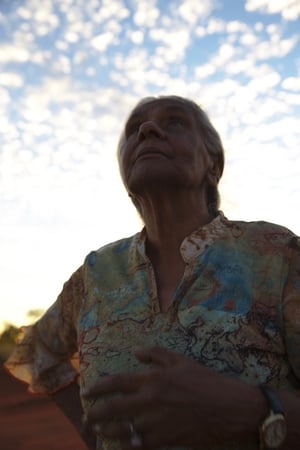
A documentary that tells the epic life story of Alfreda Glynn, 78-year-old Aboriginal woman, stills photographer, co-founder of the Central Australian Aboriginal Media Association (CAAMA), and Imparja TV, mother, grandmother, great grandmother, radical, pacifist, grumpy old woman, who in equal measure loves the limelight and total privacy. Part bio-pic, part social history, it details the life of a woman born beneath a tree north of Alice Springs in 1939, her childhood living under the Aboriginal Protection policies and the impact, both good and bad they had on her life.
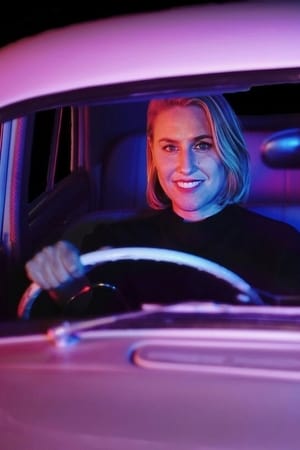
Artist Kate Blackmore looks at motherhood and mobility, film and feminism through the prism of Margaret Dodd's 1982 classic short film 'This Woman is not a Car.'
What causes women all over the world to be told that they are hysteric or overreacting when seeking for medical help? Why are so many women diagnosed: Overdramatic? The female body has only recently started to be researched, which lead to a big lack of information on women's physical and mental health. This documentary relies on the knowledge of Dorte Rytter (researcher) and Stine Sophie (medicine student) to tell us how this issue affects women everyday and in what ways.