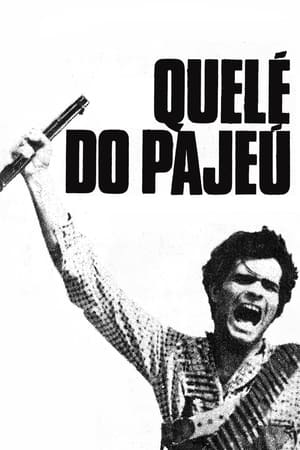
A docufiction film about the fall of Virgulino Ferreira da Silva, widely known as Lampião – the mythical bandit leader from the Brazilian northeast who fought the local power and put his name in history.
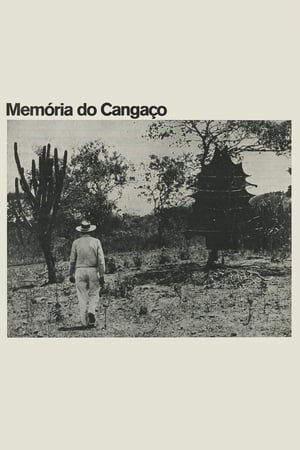
The origins of "cangaço", armed brigands in the Northeast between 1935 and 1939, interviews with some survivors of the fighting, police and outlaws movement. Interspersed with testimonials, authentic sequences of films made in 1936 by Benjamin Abraham, an Arab peddler who managed to film the famous band of Virgulino Ferreira da Silva, the "Lampião".
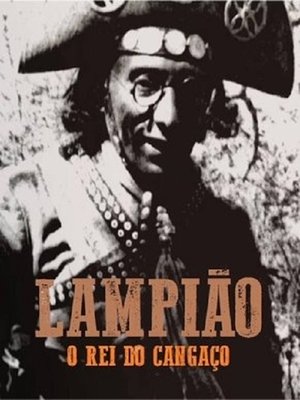
Scenes from the daily life of Virgulino Ferreira da Silva—the cangaceiro leader Lampião—and his group, captured by cinematographer Benjamin Abrahão. Their survival strategies in the sertão landscape, their gestures, habits, clothing, and diet are illustrated. Proud of their status, the group's main members are shown displaying their weapons and combat skills in the caatinga. Maria Bonita and Lampião appear in moments of tension and relaxation, highlighting the harmony of the band and, above all, the rigors of life as a cangaceiro. (Cinemateca Brasileira)
A man seeks revenge after his sister get raped by an unknown foreign, identified only by scar and a missing finger. But his payback journey is a long way and bears its surprises.
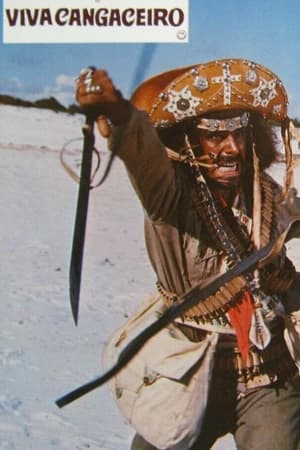
'Bruce' goes to head with bandits who are terrorising and murdering villagers.
In the time of the "cangaceiros" in the badlands of the Northeast of Brazil, the cruel Captain Galdino Ferreira and his band abduct the schoolteacher Olívia, expecting to receive a ransom for her. However, one of his men, Teodoro, falls in love and flees with her through the arid backcountry chased by the brigands.
This is a remake of Brazil's first international success in the cinema world. Just as its same name predecessor was, this film is a fictional version of the story of the "cangaceiros." These were bandits who sacked towns and spread terror throughout Northeastern Brazil in the 1930s. This group of outlaws is led by Captain Galdino and his wife Maria Bonita.
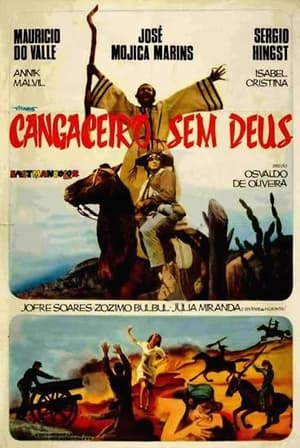
Brazil, the 1920s. The sadistic colonel Minas massacres the hometown of a famous cangaceiro (a kind of revolutionary bandit). The only survivor is a young farmer called Espedito; he is nursed back to health by a hermit who thinks he has been sent by God and therefore baptizes him the Redeemer. Espedito/The Redeemer forms his own gang of cangaceiros but doesn’t really understand what he’s doing until he befriends the proverbial European intellectual, a Dutch Oil prospector, who introduces him to important people. Espedito is hired by the Dutchman and a corrupt local governor, but then the Dutchman changes sides …
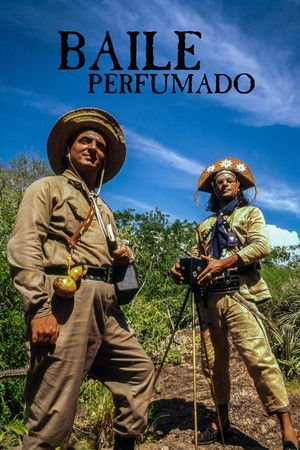
A Lebanese photographer living in Brazil in the '30s manages to film the band of Lampião, a legendary Brazilian bandit.
Based on the novel by Franklin Távora, the film follows the adventures of a father and a son in 18th century Brazil.
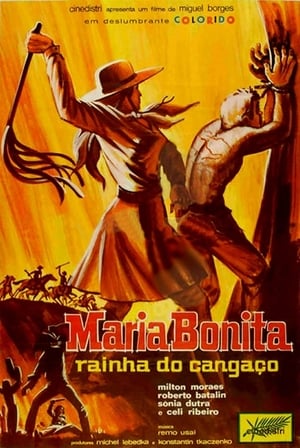
Romantic biography of Maria Bonita, daughter of a poor farmer who was kidnapped by Lampião and became his lover.
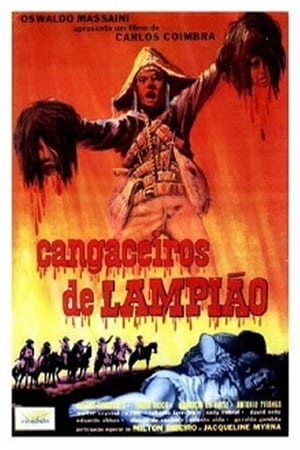
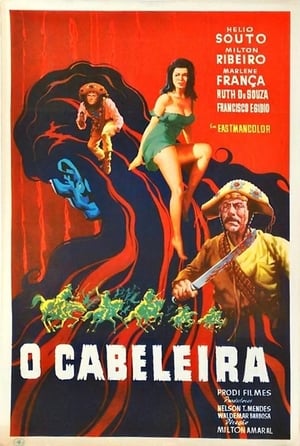
On the day of Pedro Boiadeiro's wedding, a band of cangaceiros who survived the Angicos massacre invade his home, then proceed to beat him up, and abuse and murder his wife. Pedro sets out to get revenge on each one.
After the proclamation of the Republic, a group of fanatics in the sertão dreamed of and fought for the restoration of the Monarchy. At that bloody time, Fabiano, a quiet boy, becomes a cangaceiro and is attacked by the police. Although wounded, he manages to take refuge on a farm where he is hidden in by Lúcia, the farmer's daughter, with whom he falls in love.
Aroeira
Best known for designing National Historic Landmarks such as St. Louis’ iconic Gateway Arch and the General Motors Technical Center, Saarinen also designed New York’s TWA Flight Center at John F. Kennedy International Airport, Yale University’s Ingalls Rink and Morse and Ezra Stiles Colleges, Virginia’s Dulles Airport, and modernist pedestal furniture like the Tulip chair.
In 1973 a horror movie titled The Legend of Boggy Creek was released. Focusing on a series of bizarre events that took place around the town of Fouke, Arkansas, the film was an instant success. But what was the reality behind the "Fouke Monster"? Boggy Creek Monster takes you where no film has gone: in search of the truth behind the legend...
Arctic Tale is a 2007 documentary film from the National Geographic Society about the life cycle of a walrus and her calf, and a polar bear and her cubs, in a similar vein to the 2005 hit production March of the Penguins, also from National Geographic.
Ahead of releasing 'Idols', his most personal album to date, and before anyone had heard a note, Yungblud and his touring family travelled to Berlin, where he would perform and record these brand new songs live for the very first time. A personal journey of change, confidence and rock-and-roll chaos, set against a city that has always celebrated counterculture and creativity, this is a revealing and uncompromising documentary about a generational artist finding his own voice.
Phil Heath is considered one of the most muscular men on the planet. He travels the world making a living from his 'muscles' as one of today's elite-level professional bodybuilders. From the hard work at the gym to the pressures of competing to maintaining a positive relationship with his family, it's all part of Phil's quest to become Mr. Olympia; the ultimate bodybuilding title. In Gifted, we peek behind the curtain of one of the world's most fascinating and bizarre sports. Can Phil achieve his dream to become the greatest bodybuilder in the world? The film includes behind the scenes footage at the Olympia, gut-wrenching training, interviews with Phil's family, friends, and body building community. Gifted is a documentary for both people that know little to nothing about bodybuilding as well as bodybuilding aficionados, taking them on a journey of one man's attempt to fulfill his destiny.
Born Ruby Stevens, she was orphaned when she was four. A chance audition led to a chorus job. By 17 she was a Ziegfeld Girl. At 20 she earned excellent reviews for a bit part in a Broadway play — and she had a new name: Barbara Stanwyck.