Industrial food production has provided the public with an abundance of food at very low prices. But with obesity and diabetes at record levels in Europe, there is clearly a problem with the food we eat. This documentary puts the spotlight on the agri-food industry and reveals how low-cost ultra-processed foods are really made.
Modern farms are struggling to keep a secret. Most of the animals used for food in the United States are raised in giant, bizarre factories, hidden deep in remote areas of the countryside. Speciesism: The Movie director Mark Devries set out to investigate. The documentary takes viewers on a sometimes funny, sometimes frightening adventure, crawling through the bushes that hide these factories, flying in airplanes above their toxic manure lagoons, and coming face-to-face with their owners.
Meat the Future ushers the viewer into a world vexed by the impacts of modern day industrial animal agriculture and zeros in on a solution-focused story. Revealing challenges and breakthroughs and posing a myriad of questions about the future, this 90-minute character-driven documentary explores the advent of real meat without the need to raise and slaughter animals. Spanning three years, Meat the Future chronicles the potentially game-changing birth of a new food industry referred to as “cell-based” “clean” and “cultured” meat – a term hotly debated as the industry approaches commercialization
For more and more people, food not only has to be tasty and healthy, but also good for the climate. Five alternatives to classic foods are being put to the test. Can they meaningfully supplement our diet? This documentary goes in search of answers with the vegan star chef Ricky Saward and health experts Irina Blumenstein, Sandra Ulrich-Rückert and Margareta Büning-Fesel.
Filmmaker Kip Andersen uncovers the secret to preventing and even reversing chronic diseases, and he investigates why the nation's leading health organizations doesn't want people to know about it.
A documentary for viewers of all ages about the thinking and feeling side of animals that are all too often viewed as food. Jeffrey Masson leads viewers through the personal journey he underwent while writing The Pig Who Sang to the Moon. It brings Masson to animal sanctuaries around the country where caregivers and the animals themselves tell their harrowing stories of rescue and escape. Masson delves into the rich ancestry of these curious and intelligent animals and interviews top experts in animal behavior who offer scientific perspectives on these amazing creatures.
How and why what we eat is the cause of the chronic diseases that are killing us, and changing what we eat can save our lives one bite at a time.
Unsupersize Us is the follow up to the award-winning film Unsupersize Me. Director Juan-Carlos Asse takes five subjects from his hometown that all suffer from common health issues and puts them on regimen of a plant based diet and exercise for six weeks. The results are impressive as the five people quickly turn their health around in the six-week period. Asse tests the 5 subjects with many exciting physical challenges throughout the film. The film showcases cooking skills, healthy shopping, eating healthy on the road, and mental fortitude. An interesting twist occurs when Asse reveals his own trials and tribulations including a seven-year federal prison sentence... leading him to true freedom.
Passionate about ocean life, a filmmaker sets out to document the harm that humans do to marine species — and uncovers an alarming global conspiracy.
Using hidden cameras and never-before-seen footage, Earthlings chronicles the day-to-day practices of the largest industries in the world, all of which rely entirely on animals for profit.
From the UFC Octagon in Las Vegas and the anthropology lab at Dartmouth, to a strongman gym in Berlin and the bushlands of Zimbabwe, the world is introduced to elite athletes, special ops soldiers, visionary scientists, cultural icons, and everyday heroes—each on a mission to create a seismic shift in the way we eat and live.
Exposing the dark underbelly of modern animal agriculture through drones, hidden & handheld cameras, the feature-length film explores the morality and validity of our dominion over the animal kingdom.
An intimate reflection on animal treatment, following ethical pig farmer, Bob Comis, as he contemplates his transition out of raising animals for slaughter.
The moral dimension of humanity's interaction with nonhuman animals and the industries that profit from their exploitation, as informed by world religions. A historical explanation of how the current global situation came to be.
Culinary artist Nomi Shannon prepares luscious entrées and explains how to expand her recipes to feed a crowd. Nomi prepares raw lasagna, an all-raw pasta (with pesto, pomadoro, or marinara sauce), and a spinach mouse—the raw food answer to quiche!
Culinary artist Nomi Shannon shows us how to use nuts and seeds to make hearty entrees and protein-rich meals. Nomi demonstrates how to make nori rolls, stuffed peppers, 'neat-balls' and gravy, Asian pate, chiles rellenos, pâté, loaves and the sun garden burger.
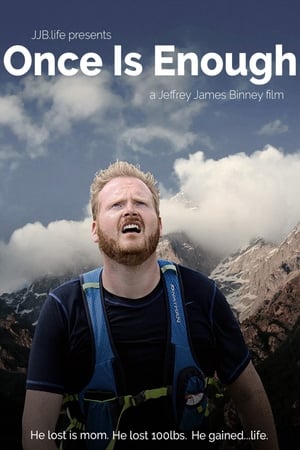
A feature-length documentary that explores the lives of four remarkably different people who share a common thread - they're all vegan. The movie traces the personal journeys of an ultramarathon runner who has overcome addiction to compete in one hundred mile races, a cattle rancher's wife who creates the first cattle ranch turned farmed animal sanctuary in Texas, a food truck owner cooking up knee-buckling plant-based foods, and an 8-year-old girl who convinces her family of six to go vegan.
In 2005, a film called Earthlings became the most pivotal documentary of the animal rights movement. Here in the UK however, we found the phrase "that doesn't happen in our country" coming up far too much. We wanted to set the record straight. Through Land of Hope and Glory we aim to show the truth behind UK land animal farming by featuring the most up to date investigations as well as never before seen undercover footage, with a total of approximately 100 UK facilities featured throughout the film.
Eschewing the glaringly color-blind format of many other documentaries interested in advocating for plant-based living, They’re Trying to Kill Us utilizes its specificity as an act of community care and offers up a new vision of what veganism might look like for communities of color who have been systematically targeted by nutritional and environmental racism.
The film offers a comprehensive examination of the exploitation of animals in modern society.