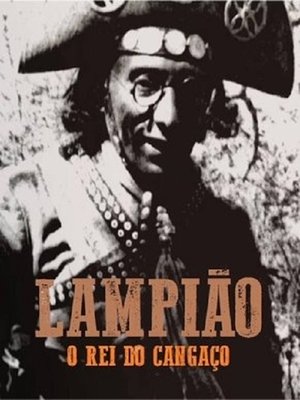
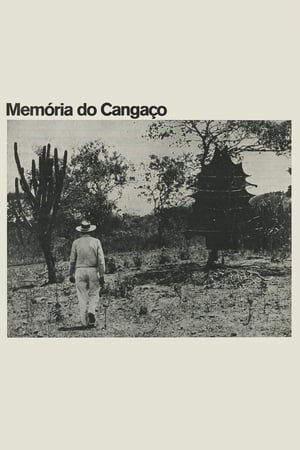
Scenes from the daily life of Virgulino Ferreira da Silva—the cangaceiro leader Lampião—and his group, captured by cinematographer Benjamin Abrahão. Their survival strategies in the sertão landscape, their gestures, habits, clothing, and diet are illustrated. Proud of their status, the group's main members are shown displaying their weapons and combat skills in the caatinga. Maria Bonita and Lampião appear in moments of tension and relaxation, highlighting the harmony of the band and, above all, the rigors of life as a cangaceiro. (Cinemateca Brasileira)
The origins of "cangaço", armed brigands in the Northeast between 1935 and 1939, interviews with some survivors of the fighting, police and outlaws movement. Interspersed with testimonials, authentic sequences of films made in 1936 by Benjamin Abraham, an Arab peddler who managed to film the famous band of Virgulino Ferreira da Silva, the "Lampião".
Zé de Julião, Muito Além do Cangaço
A man seeks revenge after his sister get raped by an unknown foreign, identified only by scar and a missing finger. But his payback journey is a long way and bears its surprises.
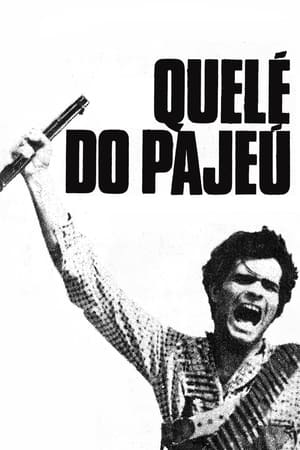
On the day of Pedro Boiadeiro's wedding, a band of cangaceiros who survived the Angicos massacre invade his home, then proceed to beat him up, and abuse and murder his wife. Pedro sets out to get revenge on each one.
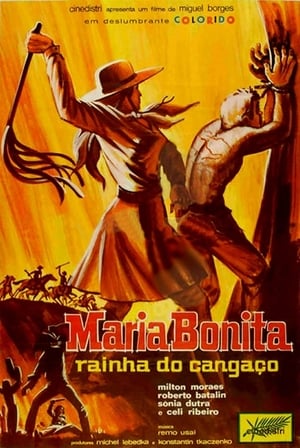
Romantic biography of Maria Bonita, daughter of a poor farmer who was kidnapped by Lampião and became his lover.
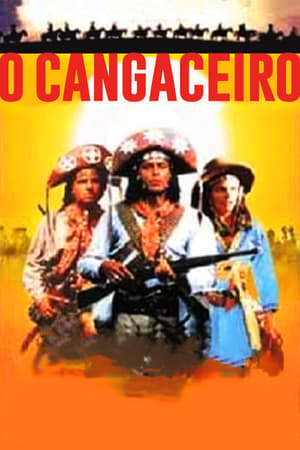
This is a remake of Brazil's first international success in the cinema world. Just as its same name predecessor was, this film is a fictional version of the story of the "cangaceiros." These were bandits who sacked towns and spread terror throughout Northeastern Brazil in the 1930s. This group of outlaws is led by Captain Galdino and his wife Maria Bonita.
After the proclamation of the Republic, a group of fanatics in the sertão dreamed of and fought for the restoration of the Monarchy. At that bloody time, Fabiano, a quiet boy, becomes a cangaceiro and is attacked by the police. Although wounded, he manages to take refuge on a farm where he is hidden in by Lúcia, the farmer's daughter, with whom he falls in love.
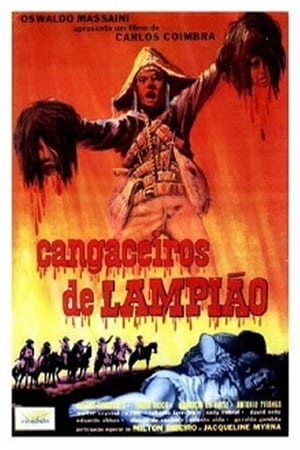
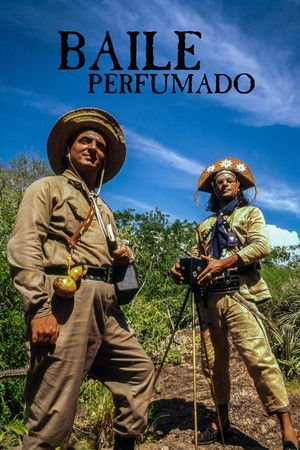
A Lebanese photographer living in Brazil in the '30s manages to film the band of Lampião, a legendary Brazilian bandit.
In the time of the "cangaceiros" in the badlands of the Northeast of Brazil, the cruel Captain Galdino Ferreira and his band abduct the schoolteacher Olívia, expecting to receive a ransom for her. However, one of his men, Teodoro, falls in love and flees with her through the arid backcountry chased by the brigands.
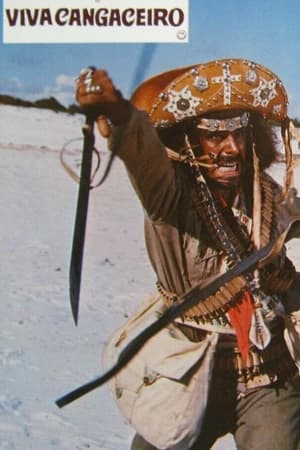
'Bruce' goes to head with bandits who are terrorising and murdering villagers.
Based on the novel by Franklin Távora, the film follows the adventures of a father and a son in 18th century Brazil.
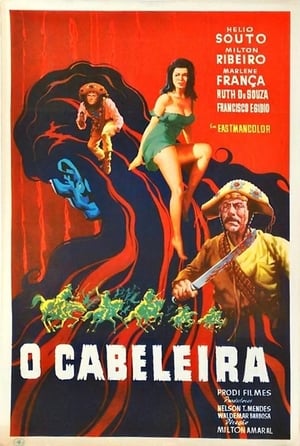
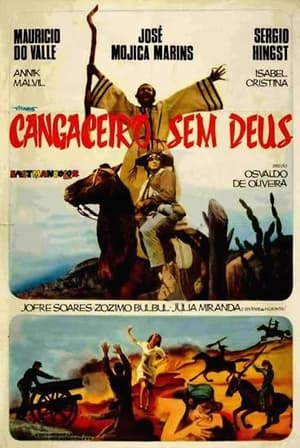
Brazil, the 1920s. The sadistic colonel Minas massacres the hometown of a famous cangaceiro (a kind of revolutionary bandit). The only survivor is a young farmer called Espedito; he is nursed back to health by a hermit who thinks he has been sent by God and therefore baptizes him the Redeemer. Espedito/The Redeemer forms his own gang of cangaceiros but doesn’t really understand what he’s doing until he befriends the proverbial European intellectual, a Dutch Oil prospector, who introduces him to important people. Espedito is hired by the Dutchman and a corrupt local governor, but then the Dutchman changes sides …
Aroeira
Celebrating 60 years of the landmark television series, this all-new documentary takes viewers on a journey into the fertile imagination and the life of creator Rod Serling. This insightful chronicle provides viewers with a closer look at the life experiences that inspired Serling's unique blend of thought-provoking and visionary storytelling -- from his experiences as a paratrooper in world war 2, to his early writing days in live television, and ultimately the creation of the classic Twilight Zone series. Friends, collaborators, and members of the Serling family share details on the man whose fertile imagination provided the foundation for this groundbreaking and influential storytelling phenomenon that has inspired audiences across the globe for nearly six decades.
In the '60s, the Mushuau Innu had to abandon their 6,000-year nomadic culture and settle in Davis Inlet. Their relocation resulted in cultural collapse and widespread despair.
Through his own photographs, the Basque artist Néstor Basterretxea (1924-2014) is portrayed by the art critic and exhibition curator Peio Aguirre, a great connoisseur of his work and personal archives.
Moser River is a small Canadian community two hours from Halifax on Nova Scotia's eastern shore, where residents have been plagued by vandalism and other forms of intimidation for over two generations. In the absence of adequate policing, acts of violence have escalated to the point where some residents have taken the law into their own hands. This increase in lawlessness resulted in the murder of Donald Findlay in the Halifax County Correctional Centre 90 minutes into serving a 14-day weekend sentence for dangerous driving.
In this feature-length documentary, 8 Inuit teens with cameras offer a vibrant and contemporary view of life in Canada's North. They also use their newly acquired film skills to confront a broad range of issues, from the widening communication gap between youth and their elders to the loss of their peers to suicide. In Inuktitut with English subtitles.
Recent discoveries of dinosaur eggs, nests, and even embryos, are providing new evidence to unlock the mysteries of dinosaur reproductive behavior. This educational program explores the mysteries of dinosaur reproduction with animation and interviews with renowned dinosaur experts including Robert Bakker, Philip Currie, Mark Norell, and others. Were dinosaurs social animals? Did they care for their young? What was life like for baby dinosaurs? These are some of the intriguing questions addressed in this informative program.